Subscribe


Happy Endings: Feeling Happiness As An Older Adult
June 3, 2026
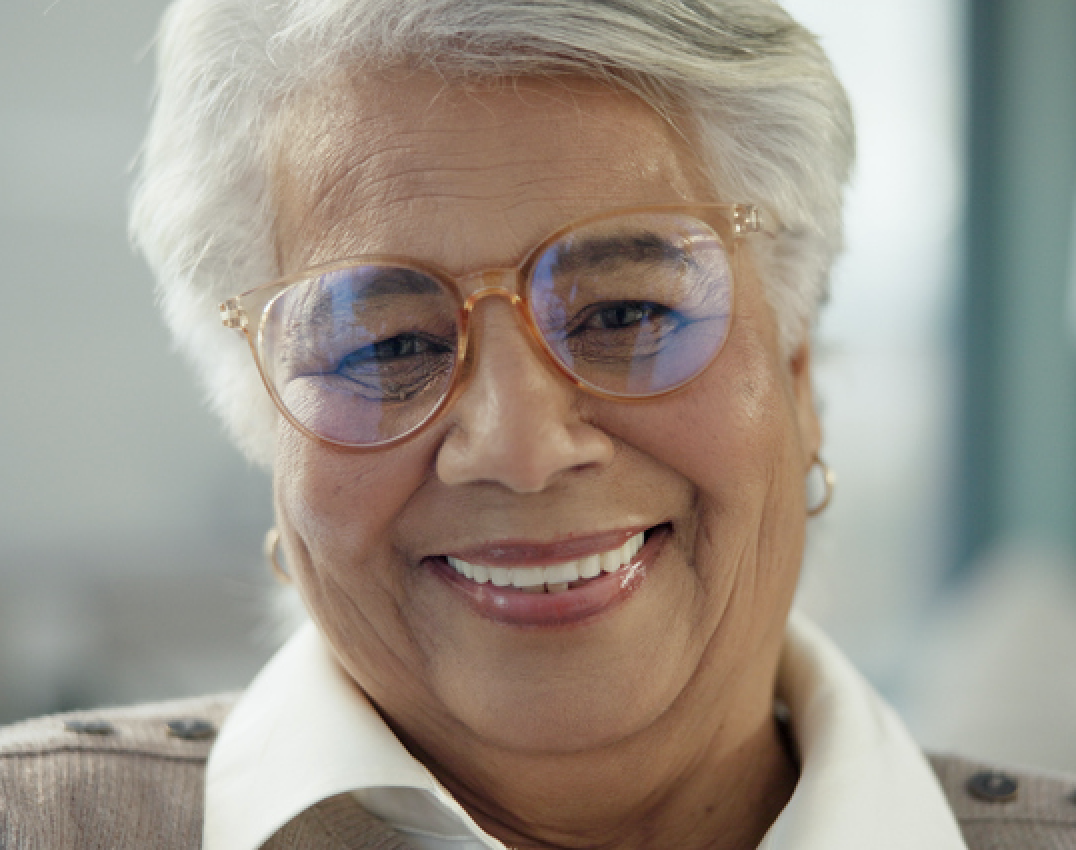
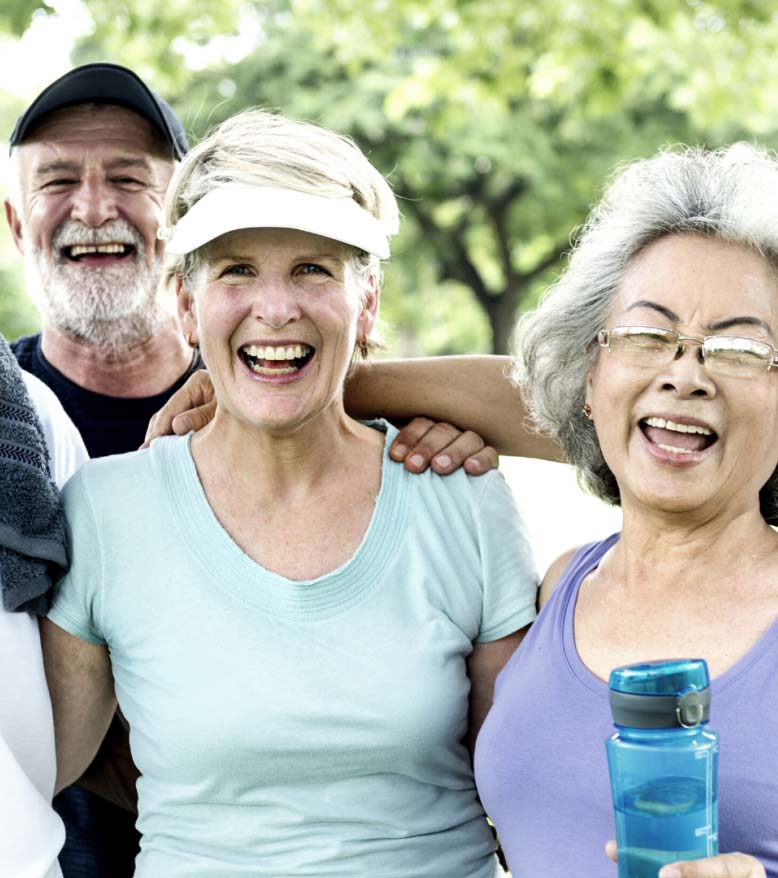
If you were to buy into our youth-oriented culture, you might think there’s nothing to be happy about as you get older. Whether it’s your physical decline, the loss of friends or loved ones, or the finite number of days ahead of you, the prevailing ethos seems to suggest there’s no reason to be happy about being an older adult in today’s world. Yet, surveys and expert accounts continue to report that as we get older, adults in fact are happy, even happier than they had been as younger people. In fact, sociologist Katherine Esty calls this “The Paradox of Aging- We are Happy Despite Our Losses.” Through her work and informal surveys of peers (she is 91), she has found that most people she encounters are happy in older age, despite whatever losses they have experienced. One finds joy in the simpler aspects of life, and with less time ahead, the gift of just being alive and being grateful allows us to focus on what’s meaningful, valuable, and pleasurable. The little stuff, the previous sources of stress, feel less bothersome as the more important aspects of a life come to the fore.
In a recent post in The Atlantic, Arthur Brooks makes a similar point about older adults, who may model attitudes and behaviors that he believes can bring happiness to anyone, regardless of age. Brooks notes that older adults are usually less reactive when stressful conditions arise (perhaps recognizing that it’s not a situation worth stressing about), that older adults find pleasure focusing more on others and being altruistic, and that as you get older, you begin to cull your social circle to the ones who really count- who share your passions, and with whom you enjoy spending time. He breaks down the lessons imparted by older adults into 3 straightforward nuggets: Go deep or go home, serve more, and care less. Those are some life lessons that could make anyone feel happier and more connected.
The recent World Happiness Report 2026 also suggests that happy older adults have lessons to impart to younger people. According to a recent post by Heather Hurlock in SuperAge, while the same factors seem to bring about happiness no matter your age, it’s more likely that older adults have figured out how to grab hold of these to improve their happiness and well-being. Issues like trust, social support, a sense of purpose, and connection to people who matter all result in positive feelings in older adults but may be harder to find among younger people, alienated by social media and losing faith in traditional trusted sources. In fact, Hurlock suggests that by sharing their experiential wisdom on these factors, older adults can help bring about more positive feelings among the younger crowd while also creating positive intergenerational relationships for themselves.
Do you need to have a partner to be happy as an older adult? While conventional wisdom might suggest those who are aging solo feel a loss or absence that makes happiness difficult to attain, the reality is more complicated- and perhaps tells a different story. In a recent post in Self, writer Jenna Ryu provides evidence that some of the happiest older adults around are single women in their 70s. As she writes, “Older unmarried women of this generation are living proof that a life without a husband isn’t a fallback; it’s a deeply satisfying choice.” For those who have been married for a long time and remain with their spouses into their later years, there is some advice. What do they recommend to stay happy? Everything from learning how to argue (attack the problem, not each other), believing your relationship will last, and saying thank you and expressing gratitude for everything.
In fact, feeling and expressing gratitude seems to be the overarching theme for being and staying happy as you get older. Not only does age seem to allow you to feel grateful for even the smallest or basic aspects of life, but it also allows you to put in perspective what comes your way, both the good and bad. As happiness expert Sonja Lyubomirsky describes in her recent interview in The Washington Post, little habits that you commit to each day can bring about big results when it comes to feeling happy, including the habit of stepping back and taking note of the good things in your life. She suggests you soak in the remarkable benefits of being thankful and expressing your appreciation to others as one way to sustain that feeling of happiness. For her other suggestions, don’t worry, be happy, and read here.