Subscribe


Living Lonely: The Health And Social Costs Of Older Adults Feeling Lonely
June 24, 2026
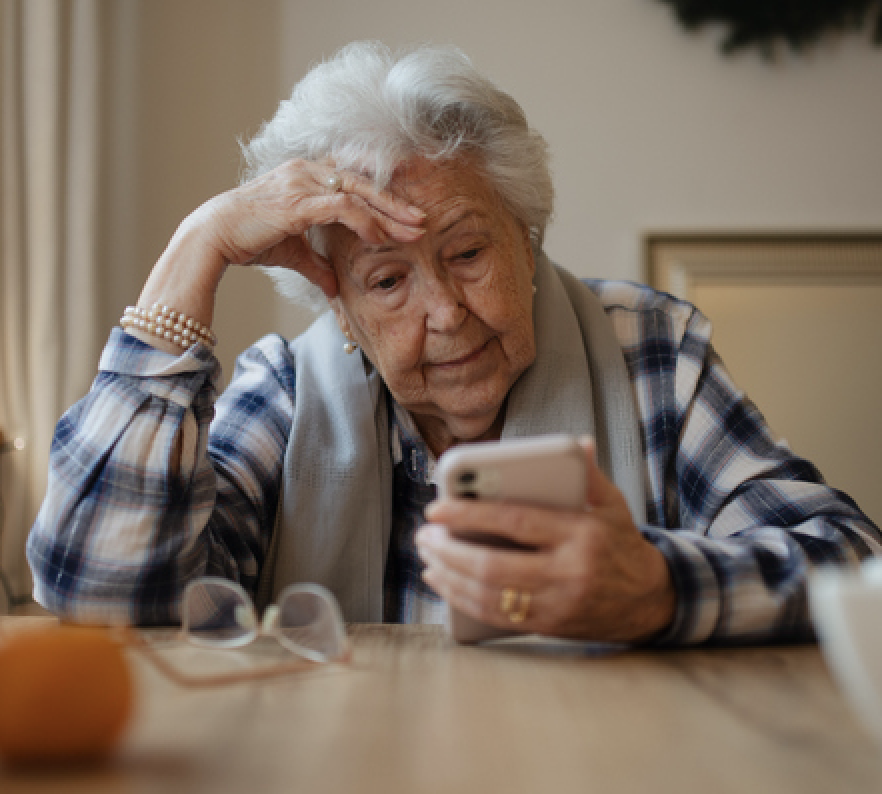
With mounting research, it’s becoming abundantly clear that older adults who feel lonely not only suffer deep distress at their lack of social connection, but also suffer significant physical and cognitive consequences. As families become smaller and more dispersed, people live longer, and older adults often outlive loved ones and friends, becoming ever more vulnerable to the negative health consequences of feeling lonely. Just in the last few months, several new studies have been published underscoring the threats to the health and well-being of older adults that result from feelings of loneliness.
First, in a recent study published in the Journal of Personality & Social Psychology, researchers at the University of California, Davis analyzed data from over 175,000 participants, aged 50 and above, to tease out the impact of loneliness and social isolation on cognition and mortality. What they discovered was that the feeling of loneliness (which is a perception rather than an objective determination of social isolation) was much more strongly linked to cognitive impairment and subsequent mortality risk than social isolation. In fact, the lonelier people felt, the more likely they were to progress to more severe cognitive impairment. Loneliness was also found to affect quality of life in persons at the end of their lives, according to a new study in the journal Palliative Medicine. In this study, researchers report that loneliness is a profound problem at the end of life, especially as individuals become more frail, experience deteriorating functioning, and have disrupted relationships. Loneliness can worsen feelings of depression and even end-of-life symptoms such as pain and anxiety. Loved ones and caregivers are advised to be on alert for feelings of loneliness in individuals with limited life remaining.
In fact, recognition of the negative impact of loneliness on older adults has reached the stage that two bills have been introduced into Congress to create funding for programs to address this problem. Introduced by Senators Chris Murphy and Kirsten Gillibrand, the Addressing Social Isolation and Loneliness in Older Adults (SILO) Act seeks millions of dollars in funding to create community programs to address senior loneliness and social isolation, along with CDC funding to conduct further research into this issue. Senator Murphy has also introduced legislation known as the National Strategy for Social Connection Act, which proposes creating a permanent federal office to coordinate across federal agencies to develop programs and guidelines that foster social connection. Other countries, including Japan and the UK, have such national offices, as they too have recognized the corrosive effects of loneliness and social isolation on both individuals and the public at large. While these proposals are far from being implemented, they do reflect a growing awareness of the need to address the negative consequences of loneliness among all of our population, young and old alike. You can read more about these legislative proposals here.
In the meantime, local communities are taking matters into their own hands to develop programs to lower the risk and consequences of loneliness among their older populations. One recently highlighted program is the Perfect Pairs program started at the University of Michigan. Begun by students during the early months of the pandemic, the program works to pair college students with older adults in the community, either in independent or assisted living or memory care, or among those aging in place in the community. The program has created dozens of real friendships among the pairs, and has now expanded to more than 35 campuses in 23 states. To find out more about the closest program to you (or how to start your own program), click here. And to read about the valuable friendships that have developed to combat loneliness and create connections across generations, look here.