Subscribe


Within Earshot: New Updates And Insights On Hearing Loss
August 19, 2026
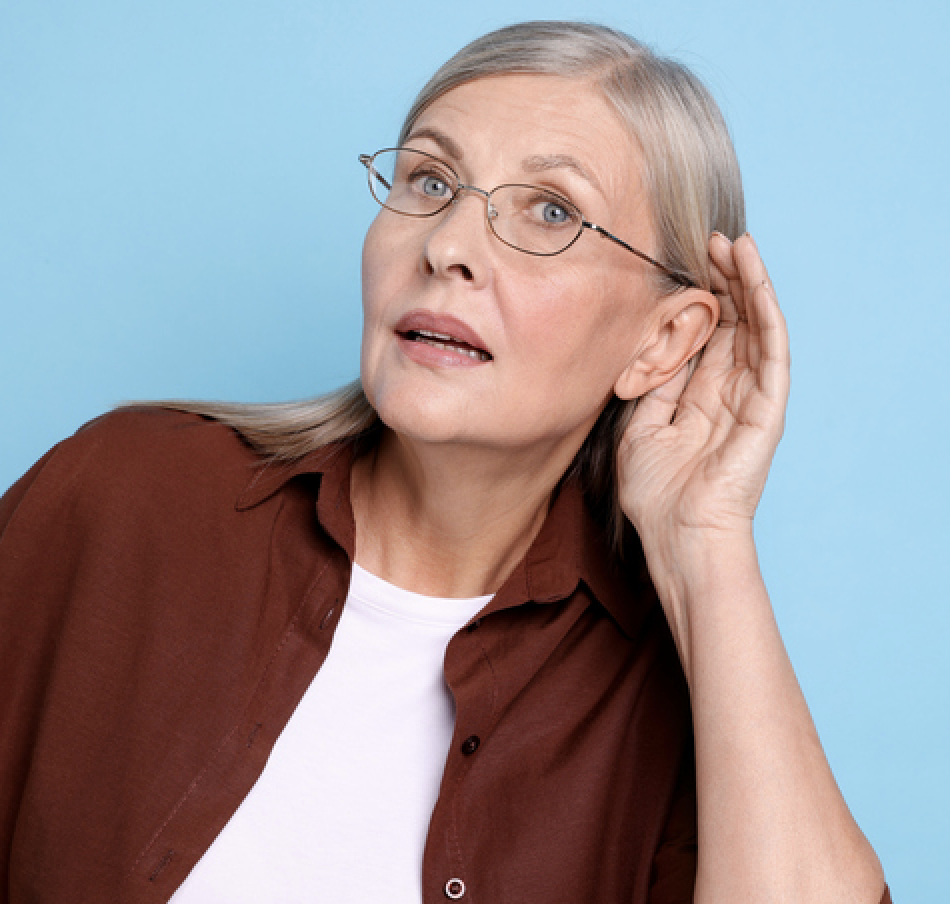
As an older adult, it’s likely no surprise to you that the Hearing Loss Association of America reports that hearing loss is a growing public health crisis in the US. After all, 1 in 3 adults aged 65 to 74 have some type of hearing loss, and for those aged 75 and older, 1 out of 2 adults have hearing loss. In fact, your age is the best predictor that you will be affected by hearing loss. But genetics can also play a role, along with the medications you take. Estimates are that up to 60% of hearing loss may be at least partly attributable to genetics. You can also lose hearing as a result of a viral infection, which makes it all the more important for you to get your vaccines (including flu and shingles) to lower your risk for hearing loss. Finally, if you’re diabetic, you are also at higher risk. Adults with diabetes are twice as likely to have hearing loss compared to those without a diabetes diagnosis.
There is also growing evidence of the connection between hearing loss and other physical and mental health concerns. For example, we’ve previously addressed the link between balance and hearing loss, underscoring that hearing loss puts you at great risk for a fall. Many mental health challenges also have a connection to loss of hearing. For example, those with hearing loss may suffer from anxiety, with worries about not understanding what others say, concerns about answering a question inappropriately, or anxiety that perhaps you will be mocked or feel embarrassed due to hearing loss. In fact, anxiety, stress, or depression can be a cause of hearing loss, though in that case, it’s usually not permanent. But no doubt hearing loss can leave you feeling stressed or exhausted, creating a strain in your relationships or leading you to be socially isolated. Just trying to follow a conversation can be mentally taxing if you have hearing loss, and as one writer has expressed it, “Listening can become a labor,” so that social engagements can quickly lose their lustre.
Of course, the brain can be affected by hearing loss. We’ve previously written about hearing loss as a modifiable risk factor for dementia, and new research appears to underscore this relationship. According to this new study, hearing aid users had a 9% lower risk of probable dementia compared to hearing-impaired non-hearing aid users, and the benefit in lowering the risk of dementia was most evident when hearing aid devices were well fitted and made a meaningful difference in the individual’s daily ability to hear. An earlier study in JAMA suggested that hearing-impaired adults who start using a hearing aid before the age of 70 can reduce their long-term risk of developing dementia by up to 60%. But the study suggests timing really matters, as unaddressed hearing loss may lead to brain atrophy, reduced cognitive reserve (from the brain working overtime to try to understand what it’s hearing), and social disengagement, all of which may lead to irreversible damage even with a hearing aid, after the age of 70. Some experts have raised questions about the weight of evidence linking hearing loss to dementia, and there are ongoing clinical trials to better understand this association. Certainly, no one should assume that getting a hearing aid will automatically prevent them from developing dementia. But for a good review of the connection between hearing loss and brain health, turn up the volume and listen to Dr. Leslie Kernisan from Better Health While Aging explain it.
Unfortunately, we also know that most people with hearing loss wait to address it by avoiding hearing tests, resisting hearing aids, or trying to compensate for hearing loss with less useful actions. The data show that most adults wait at least 4-5 years after noticing their hearing is impaired before they finally go for a hearing test. This delay can mean that serious and irreversible harm has already befallen your brain. Not every delay of course, is purposeful avoidance. For example, because of the gradual nature of hearing loss, it’s possible you adapt and don’t even realize what’s happening until serious hearing loss has set in. It’s also important to recognize that hearing aids can be expensive and are usually not covered by insurance, so delay may be due to financial constraints.
There is a growing chorus of experts who are urging geriatric care practitioners and primary care physicians to consider hearing akin to preventive care for eyesight or even cholesterol checks. That is, there should be baseline and regular checks of hearing and yearly reviews to ensure hearing loss is caught before serious damage occurs. Simple things, such as earwax removal or medication checks, can also help keep hearing in good condition as a person grows older. For those who are found to be suffering from hearing loss, there are many positive factors that now weigh in favor of early hearing aid intervention. For example, a recent post in Time Magazine highlighted that hearing loss treatment, including hearing aids, is really brain health care and should be emphasized that way. Also, hearing aid technology continues to advance, including the use of AI technology, so that hearing aids are becoming better at switching settings on their own depending on the sound environment and picking up individual voices with clarity, rather than just amplifying ambient sounds. You can even now ask for a real-ear verification, a technology to measure how well your hearing is while you are wearing a hearing aid. For some up-to-date guidance regarding hearing aids, take a look at the Wirecutter’s most recent recommendations on over-the-counter hearing aids, the Hearing Health Foundation’s Primer on Buying Hearing Aids, and the National Council on Aging’s post on How To Afford Hearing Aids.
Finally, a note of cautious optimism when it comes to the possibility of reversing age-related hearing loss. A recent post in National Geographic explores the emerging research and data regarding the regeneration of the tiny sensory hair cells in the inner ear connected to hearing loss. Once those cells die, the effect on hearing loss is permanent, even if someone wears a hearing aid. However, scientists are now honing in on proteins that may be able to trigger genetic programs to regenerate these tiny hair cells. The research is currently being conducted in mice, and it’s unclear whether creating new hair cells will lead to restored hearing, but researchers are optimistic that this work may eventually lead to a breakthrough in the restoration of age-related hearing loss. For more on this research, click here.