Subscribe



The Hands Of Time: Taking Care Of Your Skin, Including The Skin On Your Aging Hands
November 4, 2026
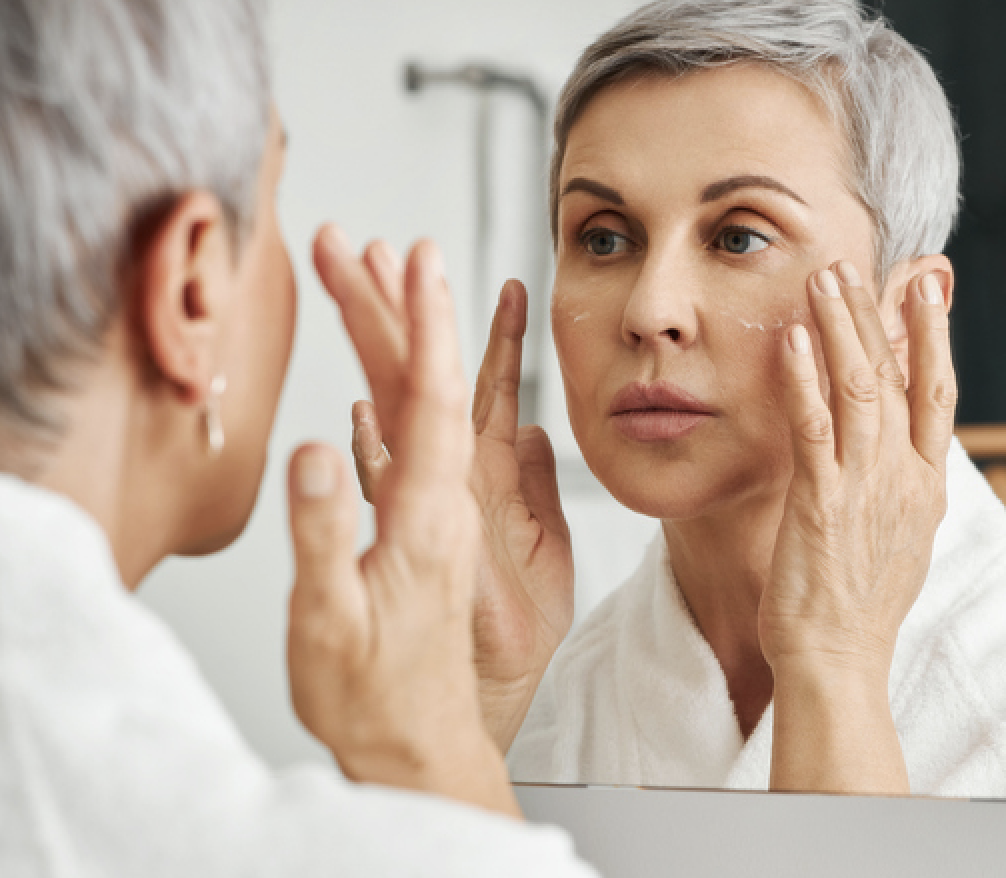
We’re approaching that time of year when cold, dry air and wintry conditions can do a real number on your skin. Already as an older adult, your skin (considered the most visible “biomarker for how we’re aging on the inside) has likely lost some of its lustre, with dryness, visible lines, and loss of collagen taking their toll. The good news is, to a certain extent, you have some control over how your skin ages. Just as with your more general healthy aging care routines, so, too, does healthier older skin require some healthy habits, including a balanced diet (consider it your edible SPF), physical activity (perspiration will drive toxins out of your skin), restful sleep (considered the ultimate skin recovery tool), and stress management (stress-induced cortisol can accelerate cell aging).
When it comes to a healthy lifestyle in pursuit of better aging skin, The Washington Post recently interviewed Weill Cornell dermatologist Michelle Henry, who is also the chief executive and founder of Skin & Aesthetic Surgery of Manhattan. She was asked what she eats every day in order to maintain her own skin, and no surprise, her meals lean in the direction of the Mediterranean diet, with lots of fruits, veggies, beans, nuts, fish, and olive oil. While she concedes there are no miracle foods when it comes to skin maintenance, she’s also a strong proponent of getting good nutrients in your meals, including vitamins C and E, beta-carotene, polyphenols, and omega 3-fatty acids, which can calm inflammation and help maintain structure underneath your skin. She’s not convinced that collagen supplements make sense (no solid clinical evidence), suggesting that your money is better spent on a quality sunscreen and moisturizer. She’s also a proponent of the importance of sleep for good skin quality, and believes your diet is the foundation upon which every other option is based. As she says, “The basics, done faithfully, will beat the fanciest products used.”
Speaking of moisturizer, have you heard of the basic drugstore ingredient urea, which dermatologists embrace as one of the best ingredients for dry, scaly skin (almost guaranteed in the winter)? It naturally occurs in your skin as a moisture barrier, and it’s available in accessible, affordable drugstore products for easy hydration of those difficult-to-moisturize sites like your feet and heels. For some suggestions of urea products to try, take off your socks and look here.
And regarding the areas of skin that are difficult to maintain and keep soft and supple, that brings us to hands. Few parts of the body are as visible and reflective of the aging process as your fingers and hands. And judging from the number of recent articles about the aging skin on your hands, it appears that consumers and manufacturers have also realized this is virgin skin territory for many. As an article in New Beauty recently remarked, “The hands are the ultimate tell: they are exposed to sun, wind and trauma daily, rarely protected properly and among the first areas to show visible signs of aging.” Just as sunscreen is considered the number one ingredient for skin preservation on your face, so, too, is it essential for keeping the skin on your hands protected and younger-looking.
Beyond sunscreen, many experts believe that there are valuable products to address the skin volume loss, wrinkling, and thinning skin evident on the hands of many older adults. A recent article in The Cut suggests that in addition to sunscreen, a daily hand moisturizer is non-negotiable (the article recommends Gold Bond Age Renew Crepe Corrector Hand Cream, Crepey Skin Cream, available on Amazon for just $6). You can also try a retinol product on your hands, but you need to be aware that because of the thinness of hand skin, it may be more sensitive to retinol. But if you want, consider a product such as Laura Geller Skin Retinol Hand Cream Smooth & Rejuvenate. Some are even going farther than just using hand creams or lotions, exploring the novel territory of cosmetic procedures on their hands, including lasers and fat transfers to plump up aging hand skin. In some ways, it’s the Wild West when it comes to the skin on your hands: while we’ve focused for so long on how to improve our facial appearance as we get older, we’ve left our hands out in the cold (literally), so now it’s time to devote some special attention to these important body parts.
And if you’re still trying to find the best routine to nourish and support your facial skin, you’re in luck, as Vogue recently published A Step-by-Step Guide to Skin Care for Women Over 50. So get ready to smooth some lines and support your facial skin by clicking here.