Subscribe


Make It Or Break It: How To Build Up Your Bones And Lessen The Impact Of Osteoporosis
August 12, 2026
If you’re an adult over age 50, you stand a good chance of breaking a bone on that leg you’re standing on, whether you’re a man or a woman. Statistics show that worldwide, one in three women and one in five men will suffer a bone fracture due to osteoporosis sometime during their lifetime. At least 10 million Americans are affected by osteoporosis. If the broken bone you experience happens to be a hip fracture, 20% of those patients will die within a year of that fracture, perhaps due to being immobilized and suffering from either blood clots or pneumonia. 25% of those who suffer a hip fracture will never again return to their former functional life. There is even new data that suggests that post menopausal women with osteoporosis are at an almost 50% higher risk of death than those who have not been diagnosed with osteo. While women account for nearly 80% of cases of osteoporosis, men are also wise to understand the risk factors for weak bones and what actions can be taken to build greater bone density and sustain bone health through their later years. The good news is that bones are dynamic, living tissues in your body that are constantly remodeling. Old bones may break down, but new bones can form in their place. The challenge as an older adult is to make sure the balance between old and new stays intact and that bone loss doesn’t exceed new bone development.
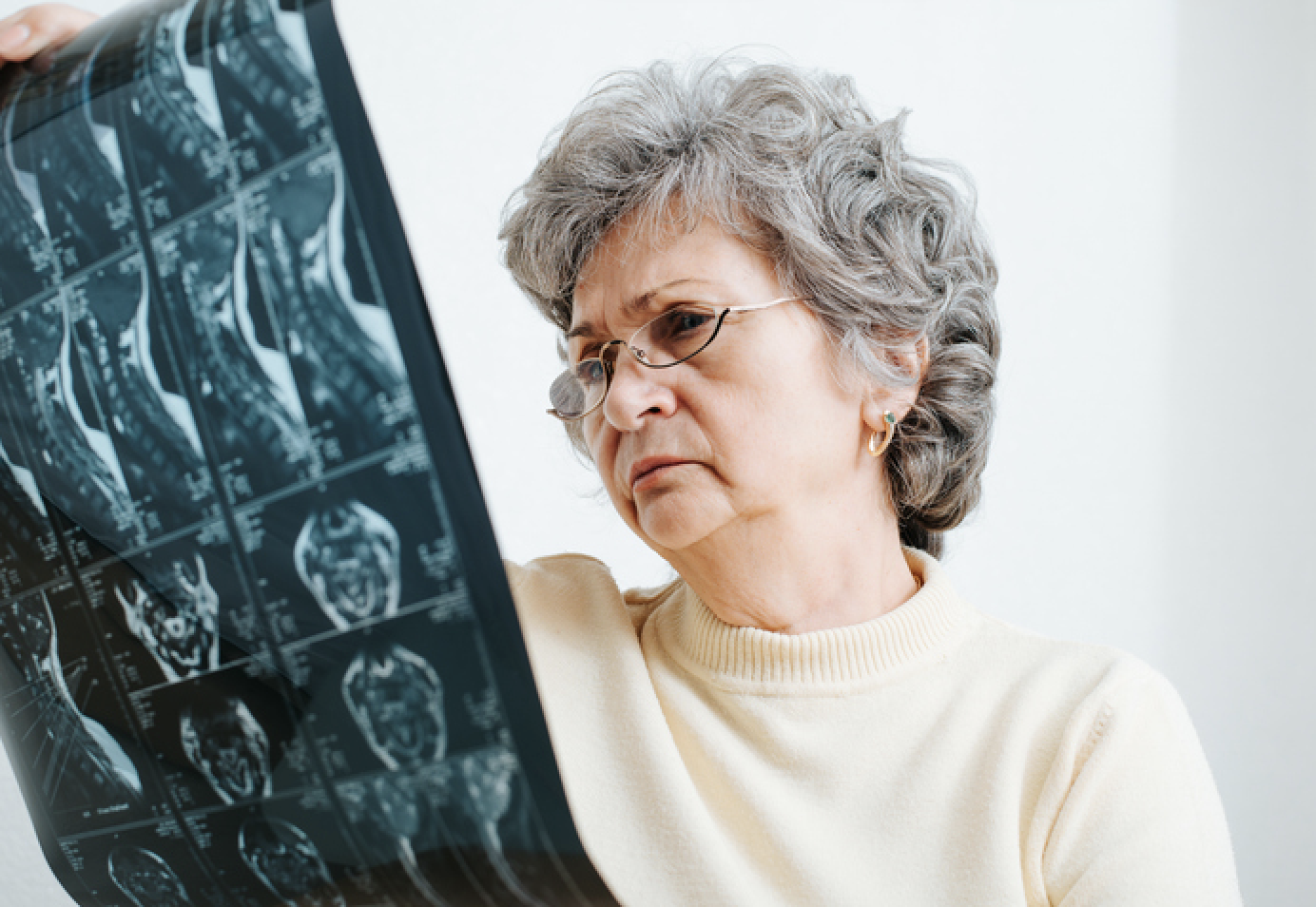
So what puts you at risk for osteoporosis? Women approaching or in menopause are at the highest risk, due to their loss of estrogen, which is essential for women’s bone health. The older you are, the more your risk increases, and if you’ve had a previous history of a fall or fracture, your risk is higher. A parent with a history of hip fractures also increases your own risk, as do such unhealthy habits as smoking, excessive alcohol intake and using oral steroids. A low BMI can also put you at risk, as can such health conditions as rheumatoid arthritis or chronic kidney or liver disease. While osteoporosis is considered the most common metabolic bone disease worldwide, it is also known to be a “silent disease,” as you can lose bone density and bone mass over many years, but be unaware of the toll it’s taking until you experience a bone fracture and have subsequent testing. As we’ve previously written, the most common method of determining the density and mass of your bones is through a DEXA scan, which is a low-dose X-ray imaging system to measure calcium and minerals in your bones. A DEXA scan is covered by Part B Medicare.
So what’s the best guidance on combating loss of bone density and addressing osteoporosis? While you can improve your bone density and fight osteoporosis at any age, the younger you get started, the better. The more bone you build up, the more you can afford to lose as you get older. As with many other aspects of aging, the best advice to keep yourself healthy and your bones strong is a combination of nutrition and exercise, and if needed, medications to support that process. When it comes to diet, the recommendations continue to evolve and expand, as we learn more about what nutrients and foods help support bone growth. Ideally, you obtain the essential bone-supporting nutrients you need through your diet, including calcium, Vitamin D, and protein. It’s recommended that you eat calcium throughout the day, as your body needs a steady level of calcium and you can’t absorb all the calcium you need in one meal. So what needs to be a part of your daily calcium diet? Dairy, leafy greens, soy, yogurt, and other calcium-fortified foods. Regarding Vitamin D, which is needed to help your body absorb calcium, not many foods naturally contain Vitamin D, beyond fatty fish, eggs, and fortified foods, in addition to the Vitamin D you absorb from being in the sun. You also may not realize the importance of protein for bone health, not just for muscle health. Muscle mass stimulates bone formation, so strong muscles go hand in hand with stronger bones. There has also been an increasing focus on other nutrients as being valuable for bone health, beyond these essential nutrients. So, for example, a recent study in Nature Communications examined the connection between Vitamin K and bone health. It appears that Vitamin K may aid in the process of keeping bone remodeling in balance between old and new bone. So pile some broccoli, Brussels sprouts, and leafy greens on your plate, and read more about Vitamin K here. There is also increasing evidence that nutrients such as magnesium and phosphorus play a role in supporting bone health. And if you enjoy prunes? You’re in luck, as there’s growing evidence that eating a handful of prunes each day can also help support bone health.
Exercise, especially weight-bearing exercise, also plays a critical role in bone health. Nutrients won’t do the job alone. A recent study published in BMJ casts uncertainty as to whether calcium and Vitamin D actually protect most older adults against bone fractures. While calcium and Vitamin D continue to receive expert backing for bone health, this study of nearly 154,000 people found that neither of these nutrients, alone or in combination, provides much meaningful protection against either fractures or falls. This analysis may not be applicable for patients already on medications for osteo or for those diagnosed with certain bone diseases, but generally speaking, the study throws into question whether routine supplementation is valuable. Obviously, this is something to discuss with your own physician, and not a reason to discontinue your current protocols. While more research needs to be conducted, this study does suggest that relying on nutrients alone is not a sufficient strategy to preserve your bone health. For more on this study, read here.
What is certain is that for stronger, healthier bones, nothing compares to the value of exercise. Both aerobic and weight-bearing exercise can create the physical stress needed by your bones to stimulate bone remodeling and bone-forming cells. A recent post in Women’s Health (complete with video illustrations) describes an array of exercises advised for every woman to support bone health, most just using your own body weight to achieve the desired effect. So whether you squat, deadlift, jump rope, do pushups or jumping jacks, you’ll be putting stress on your bones to help them strengthen and create new bone formation. Of course, if you already have osteoporosis, there may be some exercises that are off limits to avoid undue stress or even risk a fracture. If you have concerns about exercising in too strenuous a manner for your fragile bones, you may also want to take a look at the osteo-friendly exercises advised by our friends at Yes2Next. Finally, NPR recently profiled a new device called Osteoboost, a vibrating belt meant to mimic exercise that can be prescribed to you by your doctor (though without insurance coverage). While the device has been approved by the FDA for addressing bone density, based on science developed by NASA for astronauts losing bone density due to zero gravity, the evidence supporting the value of this device is somewhat limited. But if you’re looking for an additional component to your bone preservation strategy, this might be a fun method to build up those hip bones. For more on this device, get ready to vibrate and click here.