Subscribe


Strength In Numbers: New Data On The Value Of Strength Training
June 10, 2026
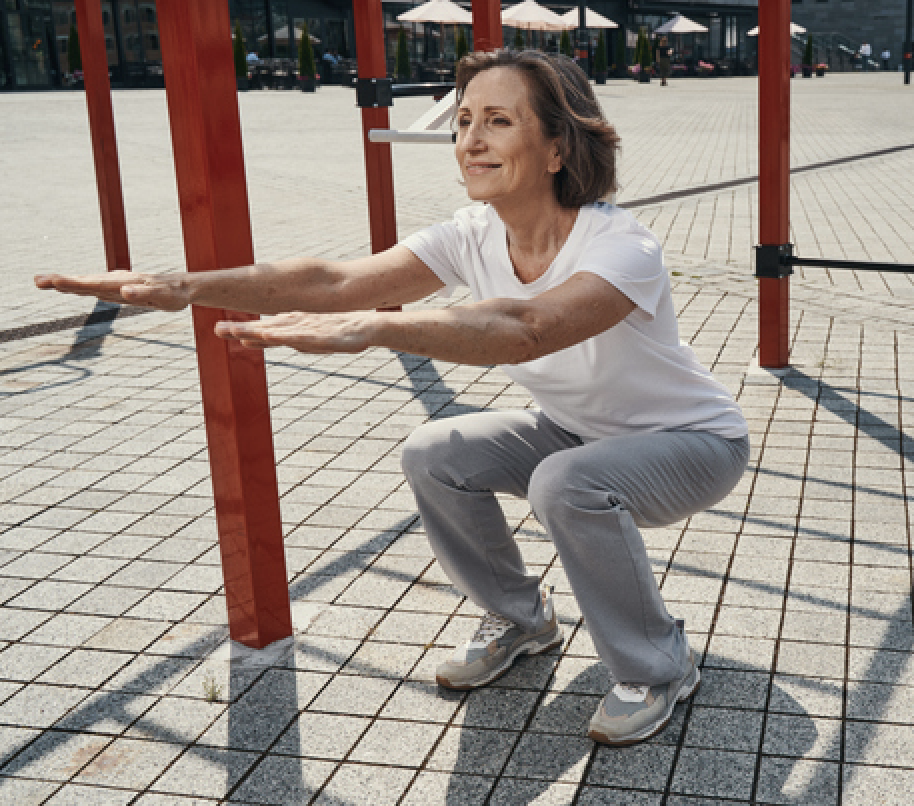
It seems like it’s the perennial either-or question: Do I do strength training or do I do cardio? Is it more important to build muscle or to challenge my heart to work more efficiently? Well, the answer is, “Yes” to both: Ideally, when designing an exercise strategy for the week, you want to engage in both aerobic exercise (think brisk walking, swimming, or biking) and you want to build muscle by strength training, either with free weights, machines, resistance bands, or your own body weight. Experts have determined that the most effective workout for healthier aging and longevity is to combine these elements. The data show that when doing both, your risk of dying from any cause can drop as much as 40%. “No biohacking is going to get that for you,” according to one expert.
The typical expert exercise recommendation is at least 150 minutes of aerobic exercise and 2 days of strength training each week. However, new research has been published that provides more precise numbers in terms of how much strength training is ideal for healthy longevity. According to this new study in the British Journal of Sports Medicine, when pairing your strength training with aerobic activity, it’s suggested that you engage in 90-120 minutes of strength training each week for the best chance of lowering your risk of mortality. This study involved almost 150,000 people monitored over 3 decades, and while it was only an observational study (therefore not demonstrating cause and effect), it is considered a strong result, given how many people were involved. Study participants began the study at an average age of 54 and were surveyed every 2 years about their exercise habits for up to 30 years.
While it was already known that aerobic activity benefits healthy longevity, less has been known about the value of strength training. Growing evidence, however, links strength training to lower cardiovascular risk and preservation of cognitive functioning, along with its benefits for bone health, balance support, and weight management. So, in essence, this research underscores that your exercise regimen should not be an either-or choice: “Different forms of exercise affect the body through different biological pathways,” and both aerobic exercise and strength training contribute to a healthier aging body.
When it comes to the type of strength training you should incorporate into your routine, there are many options, whether it’s using resistance bands, your own body weight (which could include push-ups or lunges), or activities such as gardening, yoga, or pilates. As we have previously mentioned, however, one of the simplest and easiest ways to engage in strength training is by doing squats, which will strengthen your lower-body muscles and support your mobility and independence. Squats engage multiple muscle groups in a single maneuver, and are enormously helpful for such everyday functioning as getting out of a chair, getting off the toilet, or getting up from the ground. For some examples of various ways to engage in a squat (and test your mettle as to how strong you are), begin to sit down and click here. But if squatting is not your jam, you can easily substitute some other strength-building exercises to get you going in the morning and keep you active all day. So set your alarm, and look here. And for some general advice as to how to properly get started on your own strength training routine, including seeking expert advice and building up to a routine that you can stick with, read here.
Finally, one more either-or quandary, that’s really no choice at all. We previously highlighted the valuable role of protein to accompany strength training in order to build muscle. In another case of both-and, you need both protein and strength training to maintain and build muscle as an older adult. Now, a new study published in Nutrients seems to have found the best type of protein/exercise combination for aging muscles. According to this study, examining over 200 previous clinical trials involving over 20,000 participants, eating whey protein combined with resistance training was associated with the greatest improvement in muscle mass and leg strength in older adults. Whey protein is derived from cow’s milk and contains all of the essential amino acids necessary for repairing and rebuilding muscle fibers. Cow’s milk, cottage cheese, and yogurt are all good sources of whey protein. For more on this study, whip up that yogurt smoothie and click here. And for a good routine to accompany that smoothie, check out the new strength training video from our friends at Yes2Next here.