Subscribe


Off And On The Wagon: Are You Doing Dry January?
January 7, 2026
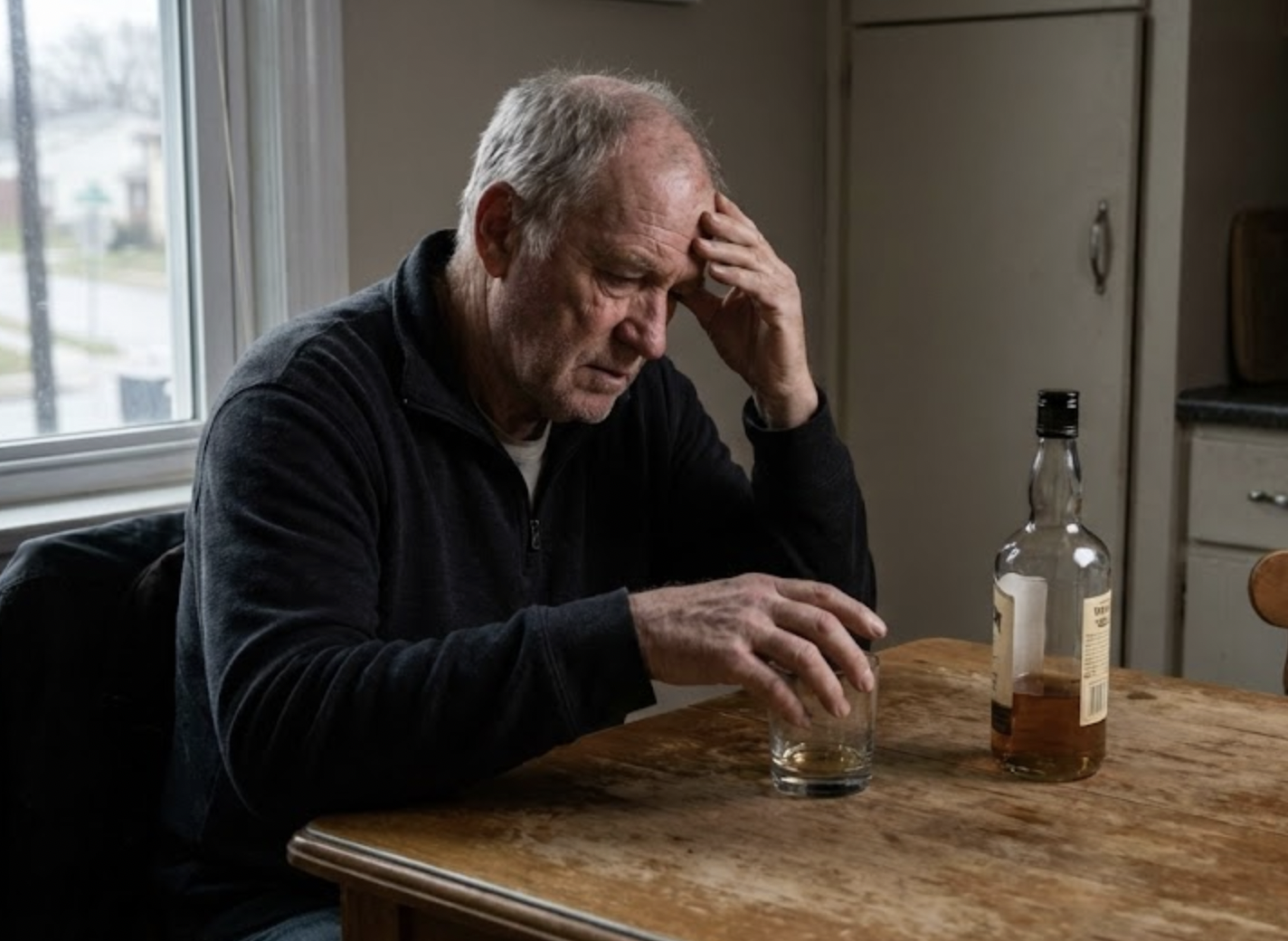
One week into the new year, and some of us are still celebrating (and some of us, not so much). For those still engaged in celebrations, or even for those who have returned to their usual state of affairs, what is your relationship with alcohol these days? In recent years, research and data have continued to unearth serious health risks from drinking alcohol, including its link to several different types of cancers and its connection to raising your risk for dementia and cardiac disease. In the last several months, further studies have raised alarm bells regarding the consumption of alcohol. In a new study published in the Journal of the American College of Cardiology, scientists revealed a connection between alcohol consumption and rising blood pressure rates. Another study from 2025, published in the journal Neurology, found that heavy drinkers (3 or more drinks/day) experienced a higher risk of brain bleeds in their later years and experienced strokes at ages up to 10 years earlier compared to those who drank less alcohol. Such brain bleeds are among the most devastating assaults that can happen to the brain, so limiting or even eliminating alcohol may be an important preventative measure to preserve brain health and reduce your risk of a devastating stroke.
For those who are “sober curious” or even committed to eliminating all alcohol, “Dry January” offers an opportunity to test the concept to see what the effect of eliminating alcohol would be on your physical health and well-being, mental health, and social life. You may be curious to know just how “Dry January” came about. It was launched in 2013 in the UK, with 4000 people initially signing up for the challenge. By 2023, more than 175,000 people were registered to participate, though surveys suggest that millions plan on trying to abstain from alcohol during January, even though they don’t technically sign up for the challenge. In fact, according to the Washington Post, a 2025 poll in the US found that 21% of US adults planned to participate in Dry January last year. As one expert quoted in the Post commented, “What really makes Dry January successful is its massive reach and unique, non-stigmatizing approach; it focuses on the positive, accessible health outcomes of taking a break, rather than dwelling on participants’ prior drinking habits or issues of addiction.” Research looking at the impact of Dry January has found that physical benefits were quickly noted in participants (including lower blood sugar, better concentration, and improved sleep quality) and behavioral changes from the “dry” month lasted long after the month ended. Participants also seemed to do well with resources distributed and daily coaching emails sent to help them maintain their commitment to reduce or eliminate alcohol from their lives. A separate study conducted to examine how to help people reduce their alcohol intake found that broadcasting the connection between alcohol and cancer, along with encouraging people to track their alcohol consumption, proved to be effective. For those of you who want to try and keep track of how much alcohol you’re currently drinking, there are several tech-supported methods to monitor your intake, including the apps TryDry and Drink Control. The NIH has also published a simple “tracker” card you can download to manually track your alcohol consumption.
So what exactly happens when you limit or even eliminate alcohol from your life? The Independent helpfully published a timeline detailing effects after one day, one month, 6 months, and even one year. Among the most meaningful changes experienced? The normalization of blood sugar levels, improved sleep, improved brain functioning, better mood control, lost weight, fewer gut problems, reversal of liver damage, and eventually, a reduction in the risks for such chronic diseases as heart disease, type 2 diabetes, cancer, and hypertension. There is some research suggesting that drinking a total of 10 glasses of wine/week can speed up your biological aging, so that the less you drink, the longer you may live. Of course, scientific evidence and outcomes are one thing- your individual experience giving up alcohol and the challenge that poses is quite another. For some personal stories of the efforts it can take to cut back and eventually quit drinking alcohol altogether, pour yourself some seltzer and read here and here.
And if full abstinence is not achievable or not your goal, perhaps you can consider “Damp January,” that is, cutting back and becoming more thoughtful about your alcohol intake. It could be that you need to make alcohol less central to your social life, and you may need to engage your friends and family in that pursuit. Or, it could be you need to ask yourself some probing questions about just what place alcohol currently has in your life. For example, have you previously tried to cut back and failed? Do you need alcohol to get you through social encounters? Are you defensive when someone inquires about your drinking habits? If you answer yes to any of these questions, you may have reached a point where alcohol is playing an outsized and negative role in your life, not to mention the negative health consequences. For more ways to assess whether your drinking is problematic and how you can change things, consider taking this CDC quiz here.