Subscribe


Not Enough Or Too Much: How Much Protein Should You Eat?
August 5, 2026
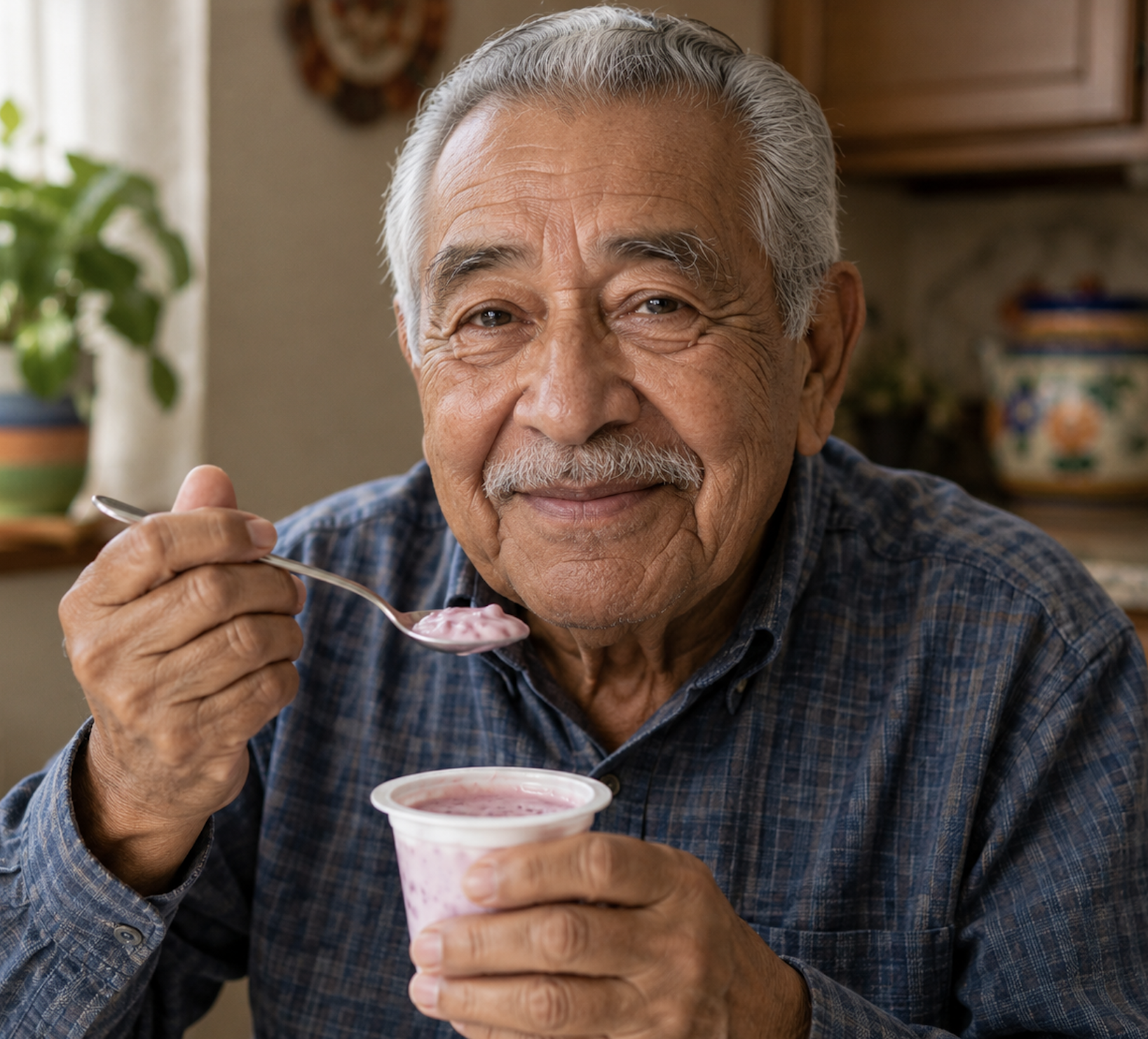
Have you been seduced by the “protein craze” sweeping the country? Did you know that you can now buy “protein-enhanced” soft drinks, popcorn, or even Pop-Tarts? Do you worry, especially as an older adult, that you may not be getting enough protein in your diet? As we’ve previously noted, eating sufficient protein, along with strength training, can work wonders for the muscle maintenance of older adults. And building and sustaining muscles is crucial for maintaining your daily functioning and independence. Studies suggest that older adults may need more protein than younger adults, as older muscles are less responsive to the effects of protein and exercise, so they need greater protein stimulus for maintenance. The consensus overall is that your protein needs are ultimately driven by your age, sex, genetics, and activity levels, so your best bet for determining your protein needs is to consult a registered dietician/nutritionist, who can help you determine where you fall on the spectrum of necessary protein intake.
Yet many of the suggested benefits of greater protein intake may not have hard science to back them up. Scientific trials examining nutrition are notoriously slim and difficult to conduct, so we don’t actually know for certain whether increasing protein among the general population is a good thing, or whether eating more protein will make you feel more full. And a brand new study published in Cell Press Blue raises intriguing questions about whether eating more protein could actually be harmful, especially if you are a sedentary person, and whether restricting protein intake could ultimately allow you to age healthier and live longer. According to this new research, which reviewed more than 350 existing studies (mostly in non-human animals), eating less protein appears to improve your metabolism and reduce cellular damage and inflammation. For active individuals, eating more protein brings more amino acids into the body, which are used to help build muscle when you exercise. But if you are sedentary and eating more protein, those extra amino acids appear to accelerate cell turnover, leading to more cellular damage and thus more illness associated with aging. In fact, most scientific studies examining the value of high-protein diets have been conducted in the context of people who exercise. This new study in Cell Press Blue is not a reason to start cutting back your protein intake without consultation with your physician and/or a nutritional expert, but it is a foundation for further clinical trials in humans to consider the health effects of a low-protein diet, especially among sedentary adults.
For older adults who are susceptible to muscle loss, sarcopenia and frailty, and are engaged in strength training, increasing protein intake may be the better strategy, and there is evidence to support this approach to protein. We do know that older adults face a reduced ability to produce protein and that as we age, the efficiency of our protein use declines, though exercise will help you better respond to protein. One thing that all experts appear to agree on is this: Given that you only eat so many calories each day, you need to consider the quality of your protein intake rather than the quantity, and if your protein source provides other essential nutrients, all the better. So, for example, a recent post in EveryDay Health listed the 7 best sources of protein for older adults, especially if you have digestive concerns or dental issues that prevent you from eating certain foods. Among their suggestions? Easy-to-access items such as canned tuna, cottage cheese, Greek yogurt, and canned black beans. The New York Times takes the recommended protein sources a step further and suggests items that not only are excellent sources of protein but also give you the essential fiber that every older adult needs. Their recommendations include beans or lentils, tofu, nuts, and whole grains. Bottom line? Experts agree that protein is one of the essential nutrients for a healthy body, but the amount of protein you need is highly dependent on your age, body weight, genetics, and activity level. So you are best off creating a personalized protein intake strategy in consultation with a nutritional expert. To help get you started, listen to this NPR LifeKit episode to help you better understand optimal protein intake for your distinct body and lifestyle.