Subscribe



Hardly Hearing: Despite OTC Hearing Aids, So Many Still Cannot Hear Well
October 21, 2026
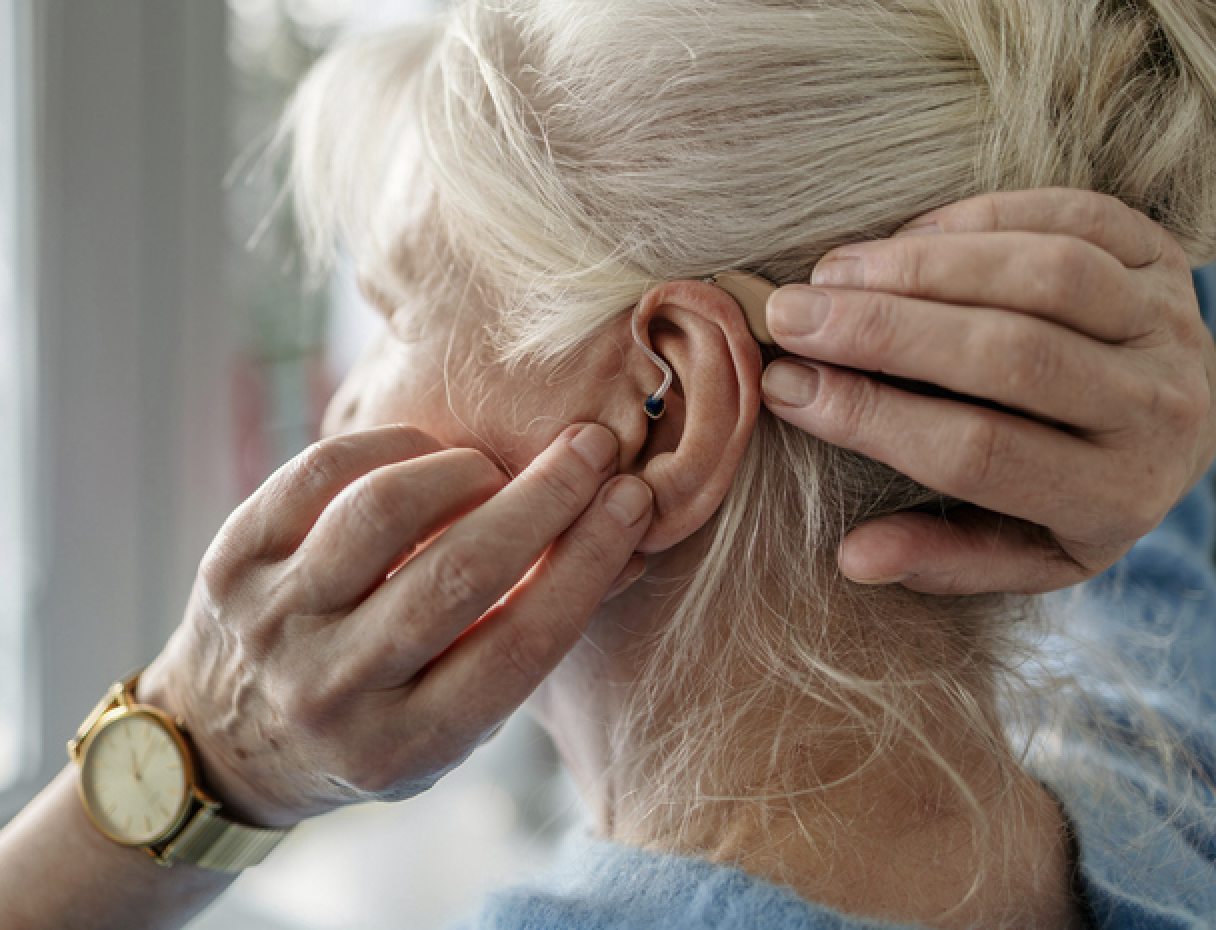
It’s been about four years since over-the-counter hearing aids were introduced in the United States to make hearing help more accessible and affordable for the millions of adults who suffer mild–to–moderate hearing loss. This was an especially welcome development, given the limited insurance coverage for hearing aids (with traditional Medicare still not covering the costs of hearing aids) and the large expense of traditional prescription-based hearing aids (anywhere from $3000-$7000). Yet reports are that sales of OTC hearing aids (which average about $500 a pair) have not been robust, and many consumers who could benefit from hearing aids still struggle to get help determining what they should buy and whether they can afford even OTC hearing aids. It is said that consumers are confused about pricing, features, how to use hearing aids, and whether they have FDA clearance (for example, many hearing aids sold on Amazon do not have that). Many users of OTC hearing aids report they received no assistance from professionals when purchasing their hearing aids, and only half say they received robust help in terms of evaluation, selection of an appropriate hearing aid, and help with fitting. This discomfort with the process of purchasing OTC hearing aids coincides with a new study published in BMC Geriatrics, which reports that older adults prefer receiving hearing help from traditional medical settings (including audiologist offices, physician offices, or hospitals) rather than retail stores. This preference was consistent across multiple countries and among all degrees of hearing loss. This appears to be due to a matter of comfort, familiarity, and trust among hearing aid consumers. As one source remarked, “Older adults simply do not want to buy hearing care the way they buy headphones. They want it from doctors.” It could be that, in order to support more adoption of OTC hearing aids, such models will need to be offered in professional offices alongside more expensive prescription aids.
There is an urgent need to encourage more adults with hearing loss to use hearing aids, as evidence continues to link hearing loss to other health concerns. For example, a recent study published in The Lancet considered whether hearing loss is a marker of, or contributor to, reduced longevity. In this study, hearing loss and hearing aid use, in connection with mortality, were examined across several countries. It was found that people with hearing loss had a higher risk of dying from any cause and that risk increased as the severity of hearing loss increased. Hearing loss was also associated with a higher risk of cardiovascular death. In comparison, those using hearing aids had a lower risk of death from any cause, including cardiovascular disease, compared to those who did not wear hearing aids. This research isn’t proof of cause and effect; more research is necessary to demonstrate what the connection is. However, it is possible that, with the social isolation and reduced activity that often accompany hearing loss, there could be an impact on blood vessel functioning and chronic inflammation that could raise a person’s risk of early death.
Another recent study examined the relationship between hearing loss and frailty. Similar to the Lancet study described above, this study found an association between hearing loss and progression to a state of frailty, with a lower likelihood of recovering from that frailty among those with hearing loss. Again, this was an observational study, meaning it does not prove hearing loss causes frailty, but what researchers found is that older adults with hearing loss had a 21% higher rate of progressing from a pre-frail to a frail state. Whether that’s due to the isolation that often accompanies hearing loss (isolation is also a risk factor for frailty) is unclear, but it underscores nonetheless that loss of hearing can have greater implications than just the inability to hear well.
We’ve previously posted about the connections between hearing loss, cognition, and dementia. One more recent study further explores this connection with interesting results. In a study published in JAMA Neurology, researchers were interested in determining whether use of a hearing aid could slow the progression to dementia in a patient with Mild Cognitive Impairment (MCI). The researchers determined that hearing aid use did not slow that progression in patients with MCI who also had hearing loss. However, a “secondary” discovery of the research was that treating hearing loss did seem to help a meaningful minority of older adults with MCI regain some everyday cognitive and functional capacity. While this research needs further understanding and replication, it does suggest an interesting connection between cognition and hearing loss, one that has been found in other research.
So, for those of you who have hearing loss, or have yet to be tested for your baseline hearing, there is plenty of reason to dive in and get your hearing tested, and perhaps test the market for hearing aids. For some useful support in your search for your best hearing aid option, take a look at the reviews on Hear Advisor, or consider the recommendations of best Costco hearing aids published by The National Council on Aging.