Subscribe


Muscle-Bound: The Ways Your Body Can Benefit From Strength Training
July 8, 2026
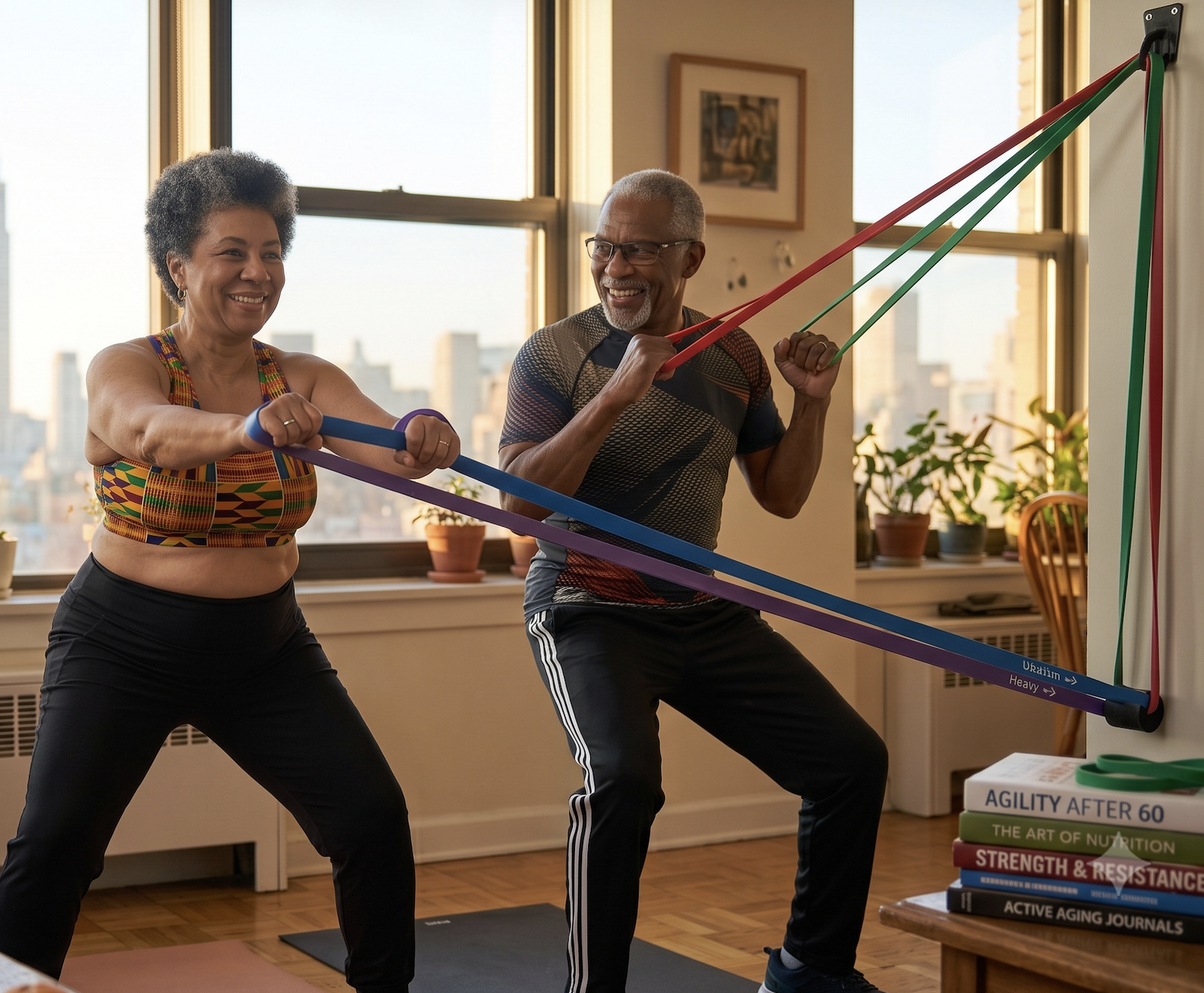
While it appears that everyone loses a bit of muscle as they get older, sarcopenia (the progressive loss of muscle mass, function, and strength) is not inevitable if you’re willing to put in the work and dedication necessary to restore and maintain muscles. We’ve published a strong and steady stream of posts about the value of strength training for older adults, and we continue to bring you the latest research supporting its value, regardless of age or prior exercise routines. There’s just no getting around this basic fact: if you want to stay as functional and independent as possible through your later years, you need the skeletal muscle and strength to get you there. As the renowned sports medicine physician Jordan Metzl, MD, recently wrote in The Washington Post, “Muscle remains one of the most responsive tissues in the body at any age, but only if it is consistently challenged, adequately fueled and properly recovered.” Metzl’s golden rules for staying strong and steady as you get older? Weekly resistance training, sufficient protein intake, and adequate muscle recovery after each workout. For more on his expert recommendations, grab a free weight and click here.
New research studies also underscore the importance of consistent strength and resistance training, though different studies posit different amounts of training, depending on your health goals. Previously, we highlighted a study about the benefits of combining both strength and aerobic training for healthy longevity. A brand new study published in the Journal of the American College of Cardiology underscores this strategy and reveals the heart health benefits you can achieve by combining strength training and aerobic exercise, along with limiting your sedentary behavior. In this study of over 117,000 older women who were followed for nearly 15 years, those who regularly engaged in strength training had a meaningful reduction in their risk of heart disease. Compared to those who did no strength training, the participants who spent at least 2 hours/week strengthening their muscles had a 20% lower risk of a major cardiovascular event. For every additional hour of resistance training per week, they were able to lower their risk of a cardiac event by an additional 5%. These results were separate and apart from those who also engaged in aerobic exercise and limited their sedentary time. Among women who did all 3, they were able to lower their cardiovascular event risk by as much as 40% compared to those who didn’t engage in any of these activities. Also of note, as Dr. Metzl and other experts recommend, the consistency of your strength training is critical to the positive outcomes. Among those older women who kept their resistance training consistent over time, they showed the greatest risk reduction benefit, as opposed to those whose training was on and off. And strengthening both upper and lower body muscles also provided more protection than focusing on just one area of your body. Bottom line on this study? Consistent, varied, strength training and cardio, accompanied by reduced time sitting, is going to provide great benefits to your cardiovascular system. For some additional insights from this study, get ready to do some arm rows and read here.
But perhaps you can’t envision yourself doing that much strength training, or you’re new to this type of exercise and want to start slow. Well, there’s another recent study that reports just 4 minutes per day of basic body weight exercises can still achieve significant results. According to this new research published in PLOS One, just 4 minutes a day of 4 different strength-building exercises can meaningfully improve your quality of life as you get older. Recognizing that to keep active and independent you need to be able to carry your purchases, get yourself up and down stairs, and out of a chair or off the toilet, and have the arm strength to reach for things, this study found that 30 seconds each of push-ups, chair stands, arm rows and stair stepping, with 30 second rest intervals in between each exercise, can mimic and support the essential movements you need to be functionally independent later in life. These “mini” strength training workouts can be modified to meet you wherever you are starting, with the goal that as you build strength, you can push yourself to do more for better muscle maintenance. Just a few minutes a day can mean the difference between retaining independence and ceding your lifestyle to reliance on others. For more on this study, click here.
Finally, if you’re looking for a few good ideas of home equipment to keep on hand for better strength routines, CNN recently put together its own list of must-have strength training products you can find here.