Subscribe



Best Of Times, Worst Of Times: The Challenge of Grandparenting in Today’s World
October 28, 2026
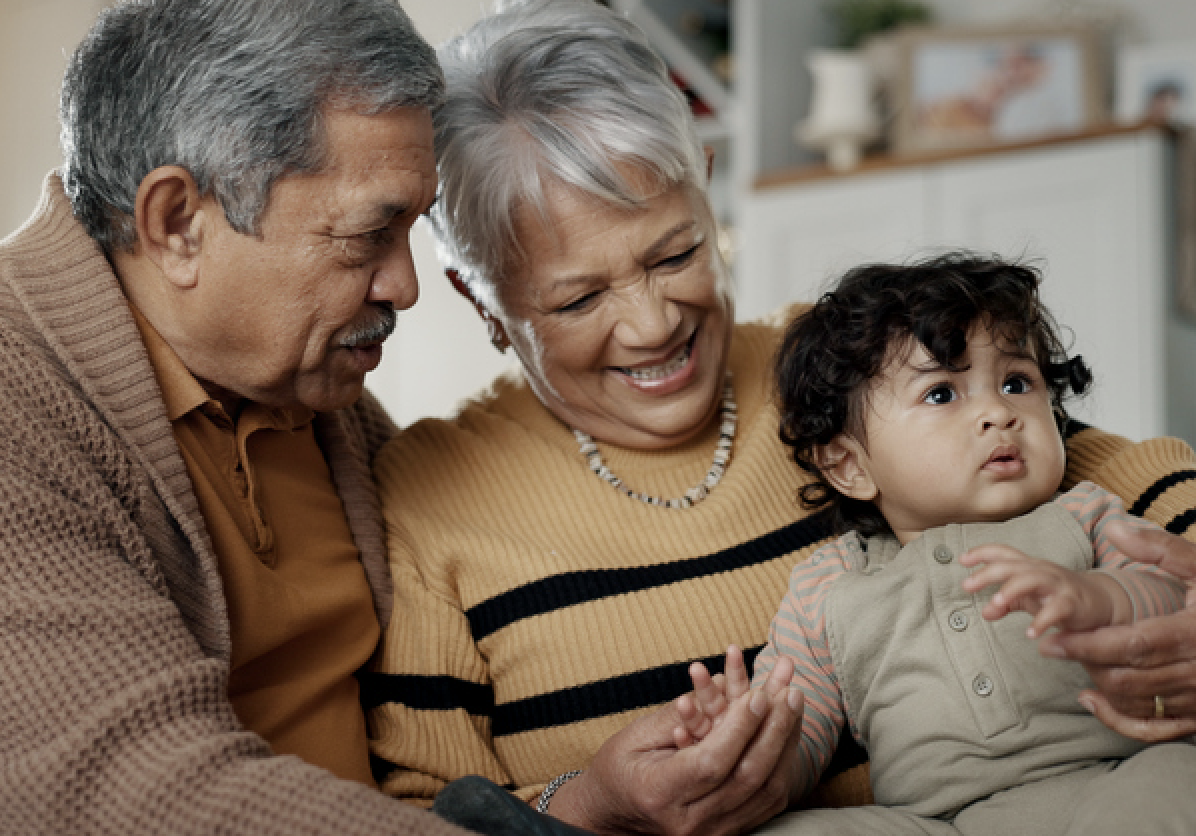
For those who are grandparents, there’s a lot to celebrate, yet a lot to be concerned about, in today’s world. It appears from recent data that about ⅔ of adults aged 65 and older are grandparents, and the older you get, the more likely you are to have grandchildren. In a recent survey conducted by Marquette Law School, it was found that multigenerational connections are relatively strong, and that grandparents are providing a lot of childcare and also staying in touch with older grandchildren through geographic proximity, along with communication means such as texts, phone calls, or in-person visits. For grandparents, the data seem clear about the benefits of interacting with children as a grandparent. There are physical, cognitive, and emotional benefits from being an involved grandparent, giving the older adult a sense of purpose and positivity. By staying physically active, grandparents can keep or improve their mobility, sustain or boost their cognition, and even find mental health benefits such as less depression. A 2026 study published in APA PsychNet found that compared to grandparents who are not involved in providing care for grandchildren, those who do provide care had higher verbal fluency and episodic memory. More generally, existing evidence suggests that being an involved grandparent is linked to a lower risk for dementia and possibly even younger-looking brains.
In spite of the benefits to grandparents and grandchildren of strong intergenerational relationships, some of the caregiving provided by grandparents may come at a cost and reflect the challenges facing young families along with the older adults they may count on for childcare help. To begin with, many of today’s grandparents are caregiving not only for grandchildren but also for their own aging parents or other loved ones, so that perhaps 4 generations are intermingled when it comes to family caregiving. This variation on the “sandwich generation” is now known as the “club sandwich” generation. Some of those who are providing childcare are also being stretched thin with eldercare responsibilities, and may also continue to be in the workforce, especially as many are trying to shore up their retirement financial plans. In fact, many grandparents (90% of whom are estimated to provide financial support to their grandchildren) are also struggling with inflationary pressures and insufficient retirement accounts, so they are torn between their own lives and providing support for the children they love and care for. As one commentator stated, “Juggling work and grandchildren in your 60s and even 70s can be a big ask that can be a lot for an older body to handle.” A recent article in AOL/Moneywise offers guidance to older adults who may be placed between a rock and a hard place when it comes to helping their grandchildren but also ensuring they have enough money for their own retirement. Among the suggestions? Set boundaries around financial support: just like on an airplane, when you are advised to put on your own oxygen mask before helping others, you need to ensure your own retirement savings are in place before you generously share money with adult children and grandchildren.
With childcare costs sky-high, many younger families not only welcome grandparent childcare but need it to survive. Many of these younger families have both parents working, often different shifts so that grandparents can fill in gaps and provide essential oversight. Moreover, many of these families have delayed having children until later in life, which means the involved grandparents are also likely older. Those older grandparents may or may not have the means to financially support their younger family members, but they likely may also be dealing with health issues that mean involved caregiving becomes more problematic. A recent post on Vice issued a warning about “depleted grandmother syndrome,” where older grandmothers, thrust into significant caregiving responsibilities for grandchildren, may be overwhelmed by the physical and emotional demands of “the toughest job you’ll ever love.”
And there are also grandparents in their 60s, 70s, or beyond who love their grandchildren but also love the busy, engaged lives they have created for themselves in their later years. Many are still working, or if they aren’t, they’re often engaged in travel or other passions which were put aside during their own younger years. While younger families depend on their aging parents to help with caregiving and financial support, those older adults, while relishing their roles as grandparents, may also have plans lined up for how they wish to spend their “golden” years. It’s a push and pull of each generation calling on the other to be a source of support and connection.