Subscribe


Heat Attack: The Worsening Health Effects From Extremely Hot Weather
July 8, 2026
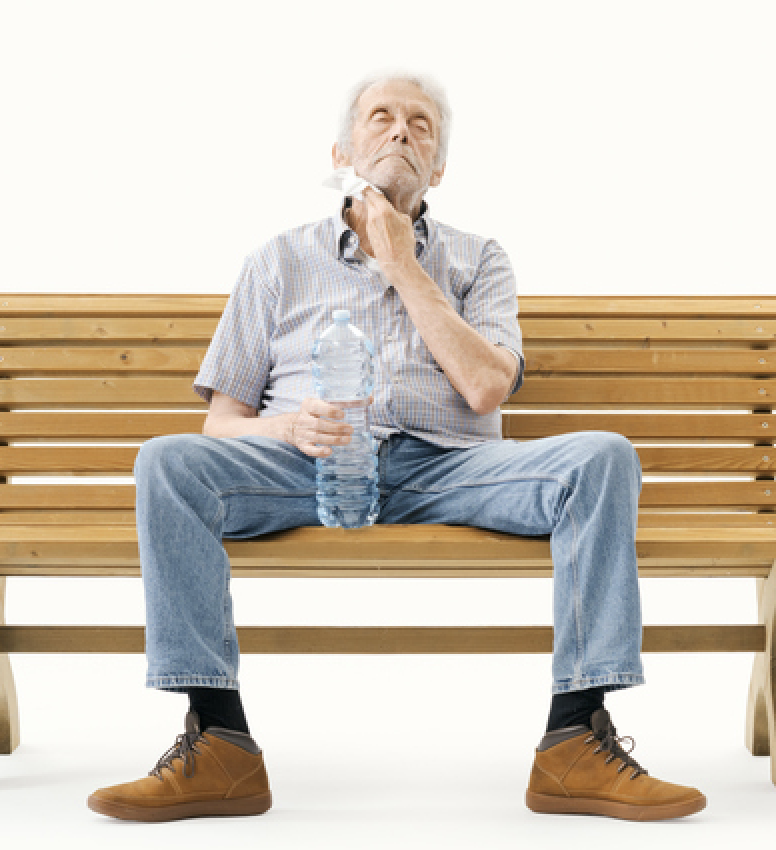
So we’re knee-deep into the hot days of summer, and the perils and predictions continue to get worse. Already this summer, record-breaking temperatures have blasted many areas of Europe, with the death toll across Europe exceeding 20,000 just in June (with limited air conditioning being one of the reasons). While heat-related deaths in the United States have not been that extreme, there’s no doubt that heat-related deaths are on the rise, especially with the existence of “heat domes” that have hovered over many areas of the United States at various times during this summer. While there is no universal definition of a heat wave (for example, high temperatures in England may pale in comparison to what’s normal in India), there’s no disagreement that extended periods of extremely high heat are longer and hotter than ever before. It’s difficult to determine exactly how many deaths are attributable to extreme heat (for example, high heat may trigger a fatal heart attack, but hospital records may not list that as a cause), but if you compare death rates during extreme heat periods versus periods of more typical temperatures, it’s easy to see that heat can be a serious cause of morbidity and mortality. Furthermore, with record sea temperatures in the Pacific Ocean, the coming weeks are expected to bring serious storms and bouts of extreme heat, promising untold misery, especially for those unable to get out of harm’s way or unable to find a cool spot. It’s clear that, in the United States, extreme heat is now our country’s most deadly weather hazard.
What are the risks to humans, particularly older adults, from these increasingly long and intense hot days? Older adults are among the most vulnerable to the hazards of heat waves and heat stress, with major repercussions for the cardiovascular system, which has to work harder when the body overheats, along with serious health challenges to the lungs, kidneys, and even brain health. According to data in a recent AARP post, from 1999 to 2023, heat-related deaths in the US rose by 117%. For older adults, once their core body temperature begins to rise from heat stress, mild symptoms such as dizziness or nausea can quickly escalate into more serious health concerns, including irreparable organ damage. A recent graphic from NPR, in fact, lays it out concretely: Extreme heat can lead to organ failure, heart attacks, or kidney failure. As blood pressure drops, your heart works harder, less blood is moving throughout your body, and blood volume shrinks, all leading to a cataclysm of system failures from which you may not recover. Extreme heat can also exacerbate chronic conditions, such as asthma, diabetes, kidney stones, and even mental health concerns, such as depression and anxiety.
Recently published research also suggests that warnings to take cover and seek out cooling places, especially in urban areas, may not happen soon enough for particularly vulnerable older adults, who may be more susceptible to heat extremes than the rest of the population. According to a new study in JAMA Network Open, using emergency room data, visits to emergency departments appear to spike among vulnerable urban seniors when the temperature hits 90°F, yet many warnings and openings of cooling centers may not happen until the temperature reaches 95° F, meaning the vulnerability of some older adults to heat extremes is not being captured by health policies.
So, how to proactively plan for the next extreme heat event to hit your vicinity? We’ve previously highlighted recommendations that include air conditioning and body cooling strategies. The Washington Post recently ran an article outlining hydration strategies, which include some common sense recommendations about water intake and keeping plastic water bottles out of the hot sun (to avoid plastic particles leaking into your water). Science Focus from the BBC also published a list of somewhat counterintuitive steps to take to keep yourself cool, including opting for hot rather than ice-cold drinks, avoiding cool showers and instead going for tepid temperatures, and cooling your hands first, rather than your face, which should cool you down much faster than even an ice bath! And remember, just because you’re inside doesn’t mean you’re protected from the harmful heat of the sun. According to a recent post from The Conversation, the overwhelming majority of heat-related deaths occur in a home, where temperatures can easily exceed the outdoor temperature and where heat absorbed by the home during the day can slowly be released into the home all evening. If your home is very warm and cooling off with an air conditioner is not possible, it’s advised that you close blinds, move to the lowest part of your home, and drink constantly to keep your body hydrated.
Stay safe out there- we have many, many more weeks of extreme heat weather.