Subscribe


Wisdom From The Wise: Centenarians Have Insights And Ideas To Share
December 3, 2025
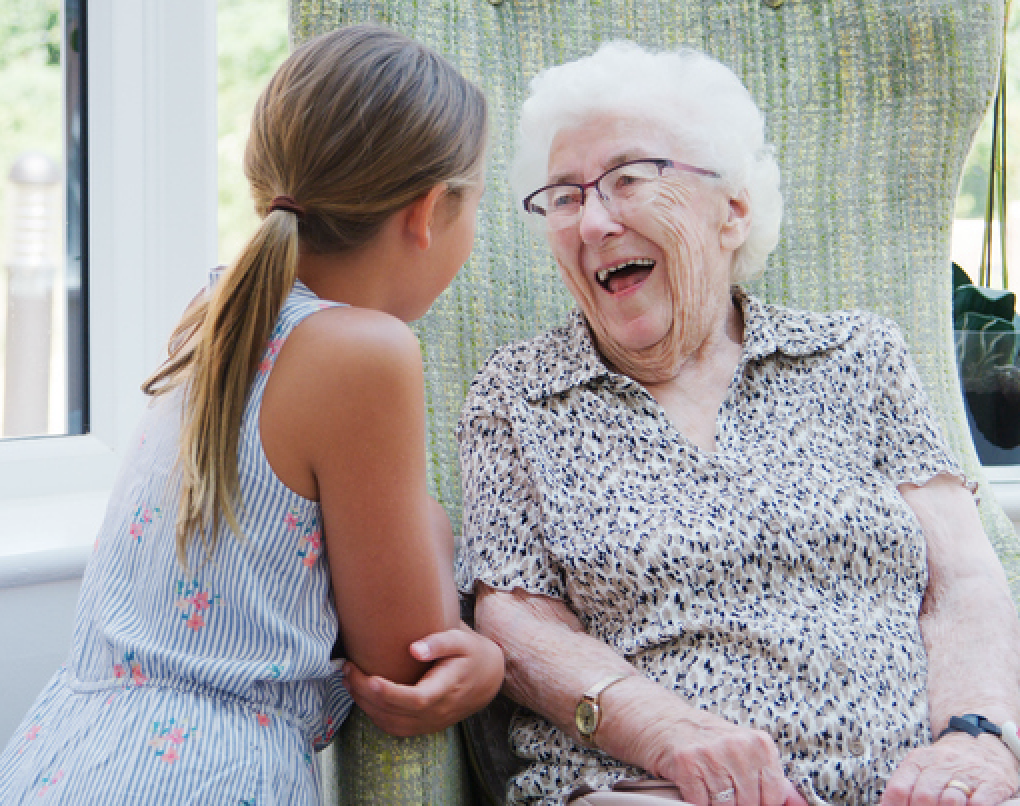
If you’ve been fortunate enough to live well into your later years, you may have a few bits of wisdom to share or ideas to suggest on how you’ve managed to live so long and prosper. Well, a new survey released by United Healthcare offers an in-depth look at some of the wisdom shared by today’s centenarians. More people around the world are living to the age of 100 and beyond than ever before in history. And while some of that has to do with genetics, much of it also has to do with healthy habits, public health advances, and environmental influences. Estimates are that there are currently 100,000 centenarians in the US, and that by 2050, there will be more than 400,000. Japan has more centenarians per capita than any other nation in the world, which is creating profound changes in Japanese culture. Centenarians worldwide are creating startling new examples of what it means to thrive and extend your healthspan, along with your lifespan, well beyond a century. All of us who hope to live well into our later years, whether or not we aspire to be a centenarian, would be wise to understand the wisdom these elders share and the examples they set.
First, let’s consider some of the results of the United Healthcare survey. With input from 100 adults over age 100, the survey reflects a remarkable, “holistic” approach to aging that so many centenarians embrace. Focusing on aspects of aging well beyond physical health (though about ½ said they were engaged in strength training at least once a week and 67% said they eat a healthy diet), most of the respondents said they felt decades younger than their actual age (“on average they feel age 68”), and that they continue to enjoy life, despite such problems as hearing loss, aches and pains and loss of independence, including giving up driving. Close to ⅔ said they remain close to family and friends and continue to have a positive outlook on life, and 80% report frequent get-togethers with those that they love, underscoring the importance of relationships and social engagement for healthy aging. And speaking of defying stereotypes: 40% state they regularly play video games, and 27% said they have asked ChatGPT a question. These are people who have lived through enormous world and cultural changes and yet continue to thrive and adapt. They are trailblazers for what it means to grow older in the 21st century, and their examples should go a long way to breaking down stereotypical barriers that limit the options and opportunities of older adults in this country. You can read the full survey results here and read more about the responses here and here.
Other experts who regularly convene groups of centenarians also have insights and wisdom to share from these inspiring seniors. For example, Dr. Karl Pillemer, a professor of human development in the College of Human Ecology at Cornell University, and Professor of Gerontology in Medicine at the Weill Cornell Medical College, began The Legacy Project in 2004, through which he has interviewed thousands of people in their 80s, 90s, and 100s about the secrets to living a happy and healthy life into their later years. Dr. Pillemer was recently interviewed on the Mel Robbins podcast about the lessons shared by the thriving oldest members of our society. Some secrets that he shares as a result of his interviews? They include such epiphanies as you’ll never regret time spent with people you love; stop waiting for the perfect moment to do or try something; don’t waste energy trying to impress other people- do what feels right to you, and other inspiring insights. For more of his shared wisdom, put on your headphones and listen here.
But perhaps you’ll be most impressed with some individual stories that reflect a level of resilience, purpose, and even playfulness among those who reach beyond 100. For example, consider Eleanor and Lyle Gittens, the oldest married couple in the world (she’s 107, and he’s 108), married to each other for 83 years. What’s their secret? “We love each other.” Or consider the insights of 100-year-old May O’Shea, who, like the respondents in the United Healthcare survey, doesn’t feel her age. As she says, “I don’t feel 100, I feel much younger. I look at my hands, and I’m shocked!” How does she continue to thrive? It helps that her 70-year-old son lives nearby with his family and brings her 2 newspapers a day to read. Or what about 102-year-old yoga teacher Charlotte Chopin, who only took up yoga when she turned 50 and has now been teaching for over 40 years. Yoga brings her “serenity,” and she credits the social support from her students with keeping her mind and body active. Or finally, the New York Times recently profiled several Japanese centenarians, who are not only thriving, but still working! Whether making ramen in their own restaurants, repairing bicycles, or entertaining their community with folktales and stories, these centenarians are setting the stage for a new visibility among the very old and a new concept of what it means to engage in purposeful and meaningful work well past the typical retirement age. So stop counting candles and instead take in the strategies and stories that may set the image of centenarians in the decades to come. And for those in the agebuzz community who are heading toward your 100s, please let us know what keeps you thriving and striving as the years go on by sharing your insights with us at [email protected]!