Subscribe


Mind Games: Playing Games To Support Your Brain Health
October 7, 2026
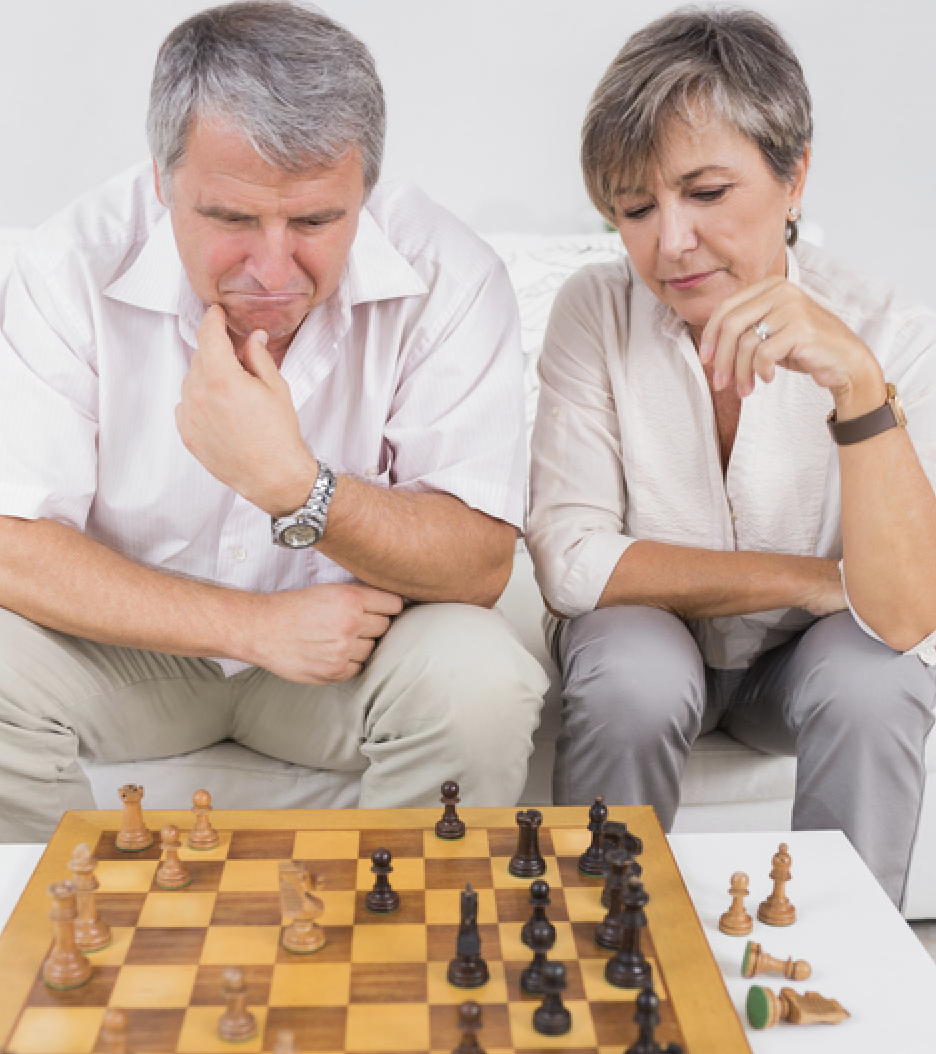
As American journalist Frank Bruni recently wrote in a New York Times newsletter, “Cognitive health is the next frontier in self-care.” Everyone wants to support or improve their brain health as they get older, to lessen the likelihood of cognitive decline or dementia. And there are plenty of “brain whisperers,” as Bruni calls them, trying to get you to spend your money or buy their products as a way to ward off deterioration. While many of us take supplements to support our brain health (with mixed evidence at best to support their value), some of us do brain teasers or brain games instead (as Bruni remarks, “I do the puzzles but not the pills”). But is there any better evidence to support brain games as a way to keep your cognition intact?
We have prior research that reports a brain training game from Brain HQ does appear to lower your risk for dementia. Beyond that, there is some data to support brain games, but often, the data suggest you may improve the skills you practice during the games, but there may not be broader benefit for your brain health and cognitive preservation. At an Alzheimer’s conference earlier this past summer, there were reports from a small study that new computerized brain exercises appeared helpful in addressing processing speed, a brain function that slows down during the aging process. In fact, Brain HQ has developed well-rated brain speed exercises.
Other articles and posts suggest that even if rigorous scientific evidence is lacking, many experts still engage in brain games and other sorts of brain-stimulating activities to help keep your cognition sharp and your brain supported as you get older. And because they’re enjoyable! For example, in a recent article in Health, 3 brain health experts were asked what brain games they themselves engaged in to stay sharp. No big surprise that many of their recommendations were challenging tried-and-true games (and become more challenging as you excel) and those that need to be played consistently to help support cognition. Among the selections these experts recommended? Sudoku, crossword puzzles, card games (also useful for the social interaction and manual dexterity they require), board games such as backgammon or chess, and jigsaw puzzles. What experts also suggest is to engage in brain activities outside of your comfort zone, either games, learning new skills, or some other mind-challenging activities that you will enjoy and remain engaged in. There is also a recent study in the journal Educational Gerontology on the brain training curriculum Stronger Memory that reports that 30 minutes a day of 3 different brain “exercises” (reading aloud, writing by hand, and solving simple math problems) appeared to improve memory recall and other cognitive markers. To find out more about this study, grab a pen and paper and read here.
Perhaps the most interesting development when it comes to “brain games” has to do with the growing popularity of Mahjong. This ancient Chinese tile game has become a popular activity among older adults and appears to have some solid research about its brain benefits to support it. A 2024 study following 7000 older adults in China for a 10-year period found that cognitive scores among Mahjong players were consistently higher than those of non-players, and the more a person played, the more improvement they saw in their cognition. Because of its growing popularity and the consistency of the people engaged in playing, it appears that this may be a brain-supporting activity that could really produce results. The game requires memory skills and strategizing and includes social interaction (also a boost for brain health). It’s a mentally engaging activity that demands you pay attention, understand patterns, and even read the social cues of the 3 other players at your table. While the evidence to support its brain benefits is a correlation, not causation, there is no lack of evidence of the growing popularity of Mahjong, with clubs popping up all over the country (find one close to you by clicking here). So set up your tiles and find out how you can get started with this well-rated beginner’s Mahjong guide here.