Subscribe


A Bit Of A Stretch: Create A Stretch Routine For Better Mobility And Flexibility
April 22, 2026
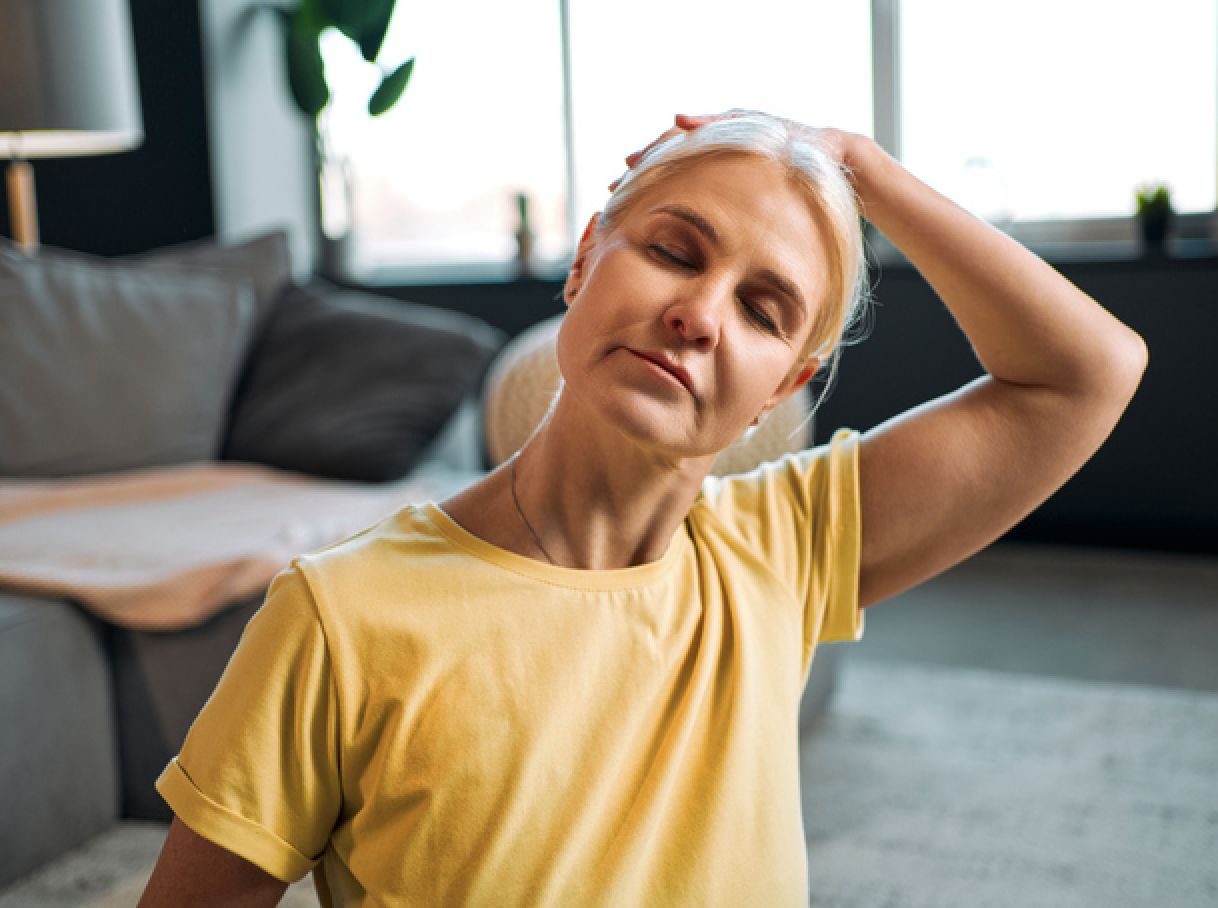
Raising your arms over your head and reaching toward the sky, or folding yourself toward the floor to touch your toes, may feel like all you need to know in order to stretch your body. But if that’s the extent of your knowledge, then you need a refresher course. Because stretching, akin to aerobic exercise, strength training, and balance exercises, is an essential activity to maintain your mobility, flexibility, and functional capacity as you get older. Research suggests that once you reach age 55, the flexibility of your upper and lower joints can decrease by about 6 degrees every decade. What that means is that if you have to turn your head to pull out of a parking spot or bend down to tie your sneakers as you get ready to walk, you’re going to need that flexibility and ease of motion. Furthermore, a recent post from Harvard Health suggests that healthy older adults should engage in stretching exercises that touch upon all of their major muscle-tendon groups, including their neck, shoulders, chest, trunk, lower back, hips, legs, and ankles. So let’s reach out and review some basics about stretching and identify some valuable stretches to add to your routine.
First, consider up-to-date expert guidance on stretching recently published in the Journal of Sport and Health Science. The guidance (highlights reprinted below) reviews the available evidence and myths about what stretching can and cannot accomplish, and how best to incorporate stretching into your regular exercise routine. The guidance makes clear that a little stretching (perhaps just 5 or 10 minutes in total) goes a long way toward improving your flexibility, and it’s best done once your muscles are already warmed up. Holding a stretch may cause some discomfort, but it should never cause pain. Furthermore, there’s no one way for everyone to stretch. Older adults, especially those who have less flexibility or mobility limitations, may benefit from an assisted stretch (a professional helps you engage in the stretch) and may also benefit from holding a static stretch slightly longer, as tissues and muscles respond more slowly in older adults. For more on the recent expert consensus statement, take a look at the highlights below or read more here. (And of course, consult your physician about what stretches may be individually best for you).
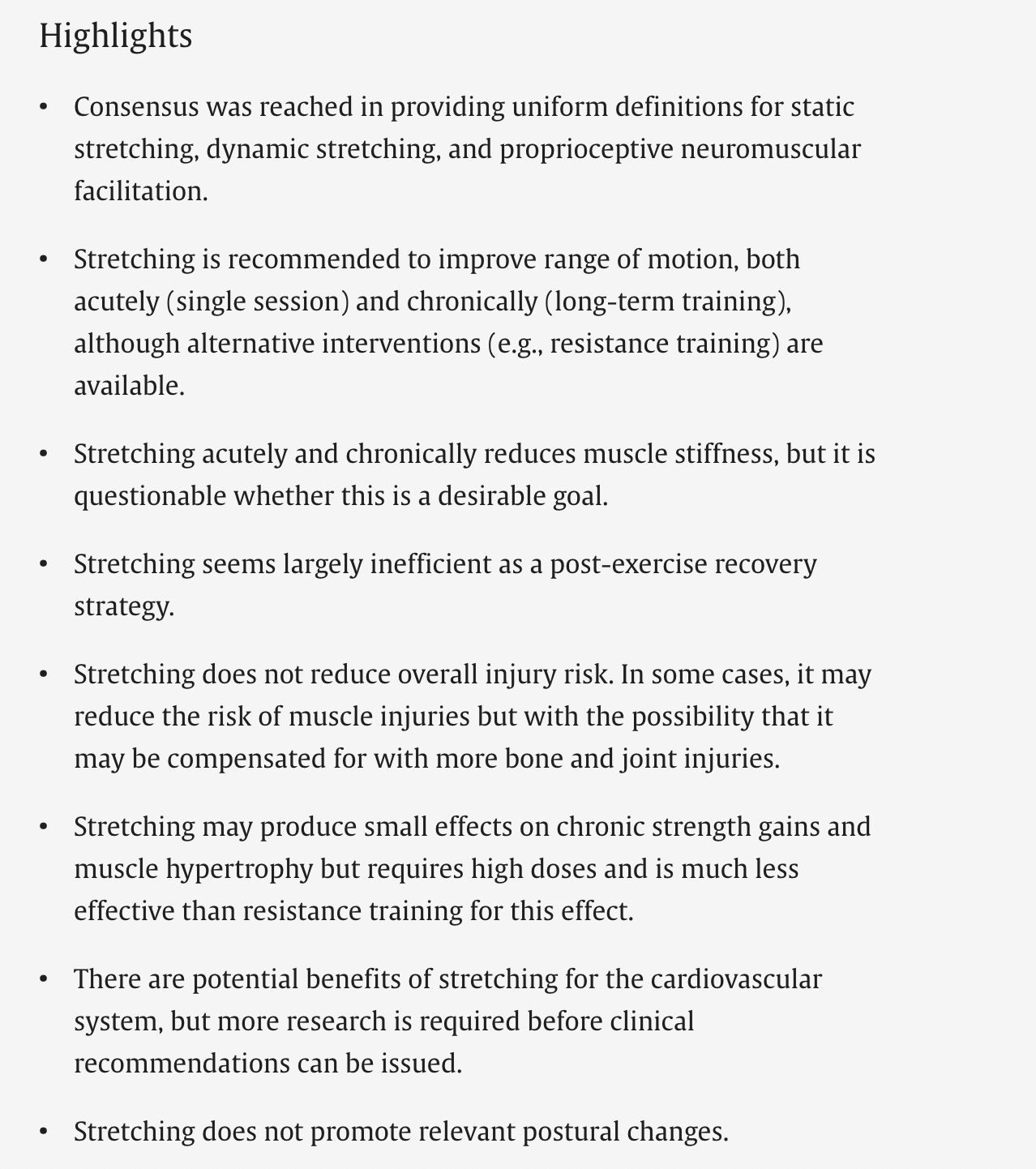
(from the article “Practical recommendations on stretching exercise: A Delphi consensus statement of international research experts” published in the Journal of Sport & Health Science)
There are many ways as an older adult for you to stretch that will not be too demanding or taxing, yet will enable you to accomplish a great deal toward better functionality in your daily life. As we previously noted, for example, you may find the assistance of another to help you stretch to be of great benefit (and relief!) A recent study published in the Journal of Musculoskeletal Disorders and Treatment, sponsored by The Stretch Zone, demonstrates that practitioner-assisted stretching can help reduce pain and fatigue, facilitate better sleep and a better range of motion, and allow for better functional fitness. Or, you may appreciate the fact that many valuable stretches can be performed sitting down, or even sitting on your bed. So, for example, Real Simple recently published a set of 12 Easy Yoga Stretches you can do in your bed (with good illustrations and explanations). Everyday Health also recently published a list of the 7 best stretches for flexibility for adults over 60, most of which can also be done while seated. And of course, our friends at Yes2Next have video posts outlining stretches that can enhance mobility and stability, and these too can be done while seated in a chair or even on a bed.
There is some evidence that, beyond improving your flexibility and range of motion, stretching is also linked to a lower risk of premature death and can reduce your risk of falling. Of course, to get these valuable benefits from stretching, you need to remember to regularly incorporate stretching into your exercise routine. A recent article in The New York Times described a helpful app called Bend that allows you to set a reminder alarm and offers you a wide range of stretching routines to fit your specific needs. Through the app, you can watch a real human illustrate and clearly describe each stretch, so no straining your vision or awkwardly stretching your head to follow instructions! And if you are looking for a quick, easy-to-implement routine that does the job in 8 minutes (including 1 minute of warming up and 1 minute of cooling down), take a look at the excellent and well-illustrated guidance from a 63-year-old Pilates instructor who knows the importance of regular stretching to keep yourself flexible and on the move. As she makes clear, you need to “think of stretching not as a luxury but as basic maintenance for your body—like brushing your teeth.” So grab your toothbrush (or better yet, a foam roller to complement your stretching and ease those muscle knots) and read more here.