Subscribe


Trim The Fat: Cut Your Visceral Fat For Healthier Physical & Cognitive Aging
May 13, 2026
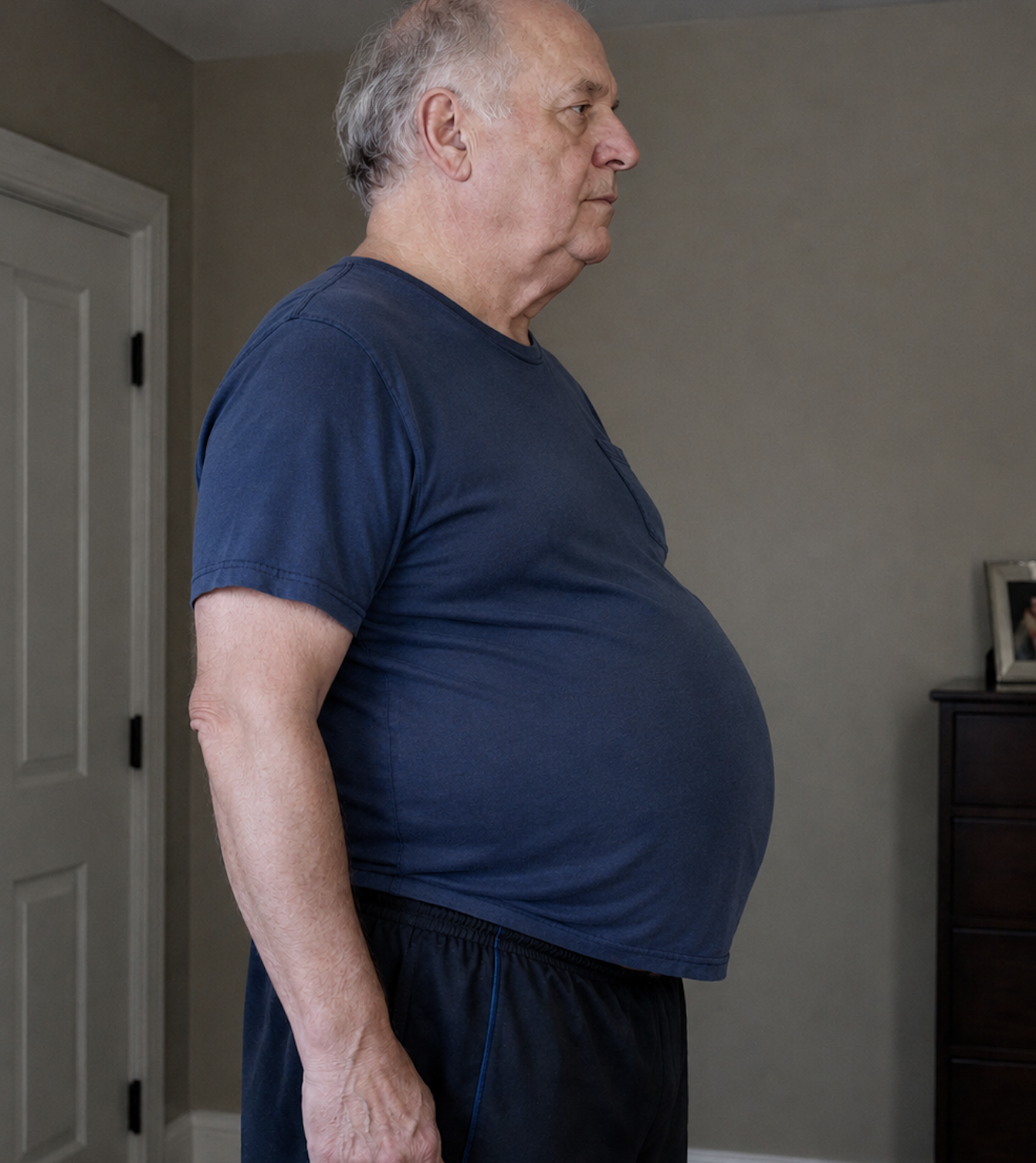
While it’s not unhealthy for you to have body fat- in fact, it’s necessary for your survival- too much fat, especially visceral fat, is linked to serious health conditions as you get older, including diabetes, cardiovascular disease, fatty liver disease, and even multiple cancer types. Most of the fat on your body is considered “subcutaneous”, which means it’s right under the skin, visible if you pinch your skin, and, among other things, provides energy and cushioning for your bones and muscles. But visceral fat- the fat that wraps itself around such vital organs inside your body as your heart, kidneys, or intestines- increases disease risk and often becomes a larger problem in post-menopausal women and older men. And while the image of a large, overhanging belly often comes to mind when you think about visceral fat, in fact, even thin-appearing people can have significant build-up of visceral fat in their bodies. For a good overview of what causes visceral fat and how you can determine if you are at risk, take a look here.
Recently published research underscores the urgency of recognizing the harmful effects of visceral fat on both the body and the brain. For example, one recent study, published in the European Journal of Obstetrics & Gynecology and Reproductive Biology, found that abdominal visceral fat can increase the likelihood of stress incontinence in women by up to 50% compared with women without abdominal visceral fat. It’s hypothesized that such fat may overload pelvic floor muscles or compromise muscle quality, leading to urinary continence when a woman coughs, laughs, carries a heavy package, or exercises.
There is also recent research connecting brain health and visceral fat. A study published earlier this year in the journal Radiology made a connection between the presence of visceral fat wrapped around your organs and brain aging. The study suggests that it’s not general obesity that may age your brain, but more specifically, where on your body the fat is distributed and stored. Using MRI technology, this study supports already existing research showing a connection between obesity and poor brain aging and cognitive health, and pinpoints specific fat storage patterns of visceral fat around the pancreas, for example, as potentially significant for brain aging. More recently, an important new study was published in Nature Communications linking the accumulation of visceral fat as a primary driver of brain atrophy and cognitive decline in late midlife. According to this study, which involved over 500 participants followed for up to 16 years using regular MRI scans, those participants who were able to lower and sustain a lower level of visceral fat were better able to preserve their brain volume and cognitive performance as they got older, regardless of whether they lost weight. Furthermore, the initial reduction of visceral fat levels predicted better brain structure preservation, even if the participant subsequently gained weight after the initial 18 months of the study. Higher levels of visceral fat in the study were associated with more brain atrophy. While this study did not prove the connection between visceral fat levels and brain aging, it does provide more evidence and incentive to lower your levels of visceral fat to preserve your brain health.
So how can you lower the levels of visceral fat in your body? The most tried and true way continues to be through lifestyle changes, that is, diet and exercise. A study last fall in JAMA Open Network found that both dietary changes and increased exercise can help you achieve a healthier weight and reduce your levels of visceral fat, but the greatest reduction in visceral fat came when both a healthy diet and physical activity worked in tandem. When it comes to diet, there’s no single food that’s a magic bullet (although there’s growing evidence that high alcohol consumption is associated with increased visceral fat accumulation), but there are suggestions to cut such items as refined carbs, sugary drinks, saturated fats, and alcohol. There is also a novel research study that has shown that, in older women with hip fractures, the use of a topical testosterone gel can lower the risk of visceral fat build-up during recovery. This doesn’t mean you should go out and start spreading testosterone cream on yourself, but it does highlight a possible new therapeutic avenue to consider for post-injury recovery and improvement.
Another obvious consideration is whether a GLP-1 medication is a viable way to cut visceral fat from your body. With the research to date, there appears to be little doubt that a GLP-1 can play a pivotal role in reducing visceral fat in the body. In fact, in a recent article in The Atlantic, former FDA Commissioner David Kessler discussed the toxic nature of visceral fat as a primary consideration for people to think about taking a GLP-1, given the insidious and negative health consequences that follow visceral fat deposits around your heart, pancreas, or liver. But given the risks, the costs, and the potentially lifetime commitment you make when you start a GLP-1, Kessler cautions that the drug may not be for everyone, especially when we do know that lifestyle changes can, in fact, reduce visceral fat. This may be especially true for older adults, who may be at risk for the nutritional deficits that can arise when using a GLP-1. Obviously, this is a discussion to be had with your primary care physician. But there’s no doubt about one thing: Visceral fat poses a serious risk to your health and well-being as you age, so whatever safe and effective methods you can use to lower your risk are worth trying.