Subscribe


Muscle Up: Loss Of Muscle Mass Is Associated With Myriad Health Problems
September 23, 2026
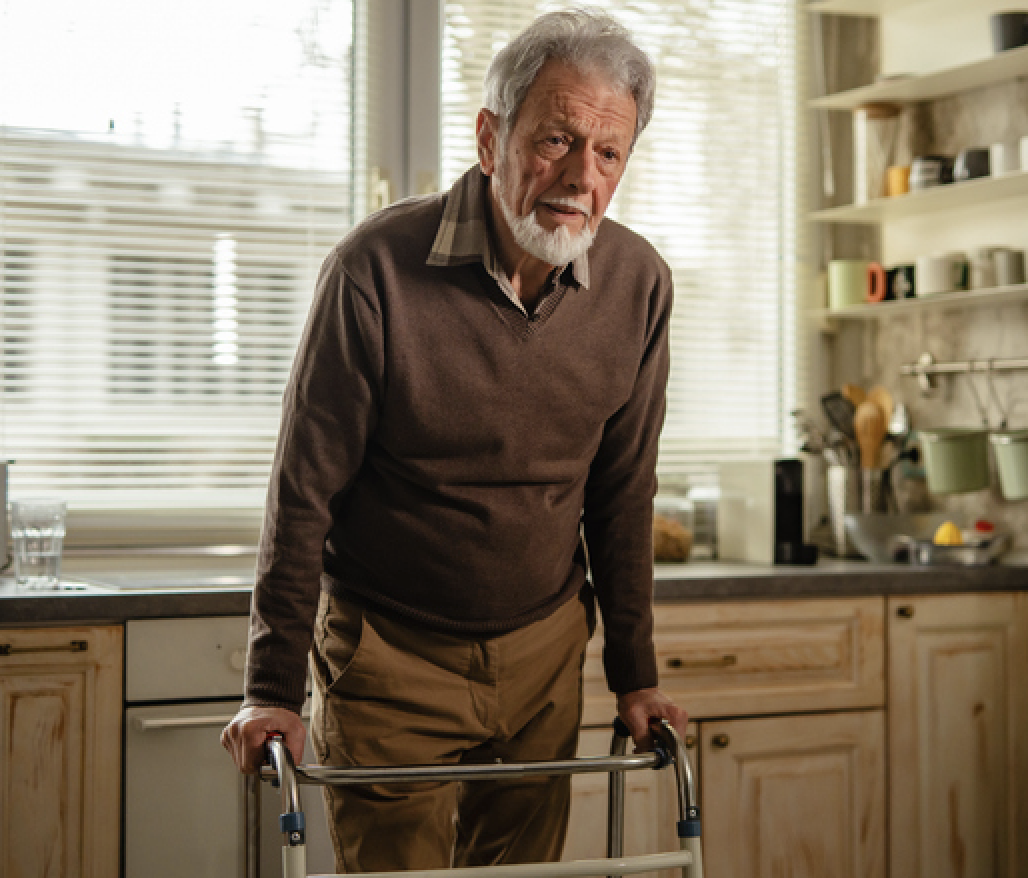
We regularly extoll the benefits of strength and resistance training to maintain and improve your strength and muscle mass, so that you’re able to stay independent and carry on your necessary activities for daily living. Not only do strong muscles support healthy aging, but they reduce the likelihood of falls, lessen the possibility of serious injury, and support your overall well-being. Of course, any decision to start a strength training regimen should include a check-in with your doctor, a goal of slow but steady progress, potentially working with a professional to make sure your form is correct, and an awareness that older bodies need recovery time. It’s no secret that as you get older, you lose muscle mass (the amount of muscle tissue in your body). Starting in your 30s but then accelerating as you reach your 60s, this loss of muscle can eventually turn into sarcopenia if you’re not careful. Globally, it’s estimated that close to 20% of older adults suffer from sarcopenia, leading to frailty, muscle thinning and atrophy, along with muscle weakness and slower movement. Lack of exercise and strength training can make sarcopenia even worse, while engaging in strength and resistance training can slow the progression and possibly even reverse some of the muscle damage. While that may be hard work, it’s clear that not only will strong muscles allow you to more fully engage in life as an older adult, but will also lessen your risk for other health conditions that may arise as you get older.
New research has revealed that several health concerns appear to be associated with weaker muscles or sarcopenia. First, new research published in the journal MedScience reports an association between sarcopenia and vulnerability to infection. According to this research, involving data from more than 450,000 adults aged 40-69, people who suffer from sarcopenia have a significantly higher risk of serious infections than do people with healthy muscle function. The research was carried out for over 12 years and is considered one of the largest studies ever investigating the relationship between muscle function and the risk of infection. Adding to the growing evidence that muscles play an important role in immune health, it appears that muscles may release a molecule that helps regulate immune responses. While sarcopenia was not proven to cause heightened infection risk (just an association), it’s increasingly clear that muscle health is related to immune resilience and your risk for inflammation and infection.
There is also new evidence of the role that muscle health may play in fighting cancer. According to a recent study in Nature Communications, using fruit flies and mice, healthy muscles appear to release tiny chemicals that contain tumor-slowing molecules, and in older mice, exercise can reactivate the pathway for these cancer-fighting molecules. There already exists evidence that physically active people tend to have lower rates of cancer and that those with sarcopenia may be at higher risk for lung, colorectal, and pancreatic cancer. There’s no proof that sarcopenia can cause cancer, but this research helps build the case for a connection between muscle health and a better ability to fight tumor growth.
Finally, one additional study has pointed to a connection between muscle loss and dementia. According to a study published in the International Journal of Food Science and Nutrition, sarcopenia in middle and older age is linked to a 48% higher risk of dementia. While those who experience sarcopenia may become physically frail, it also appears that sarcopenia may affect brain health, so that muscle loss may be considered yet another warning sign for dementia. This was especially true for vascular dementia, with the finding that people with sarcopenia were found to have up to a 70% higher risk of vascular dementia. Again, this was not proof that sarcopenia caused dementia, but it does suggest that the insulin resistance associated with sarcopenia, along with reduced physical activity, may be implicated in the impaired cerebral blood flow associated with vascular dementia, leading to accelerated damage to the brain.
So while we continue to urge you to engage in regular and consistent strength training to support your physical functioning, it’s now also likely that the same advice will more broadly support healthy aging and lower your risk for several age-related conditions. So pick up a weight and find out more here.