Subscribe



Step Wisely: Walking Strategies To Support Healthy Aging
November 11, 2026
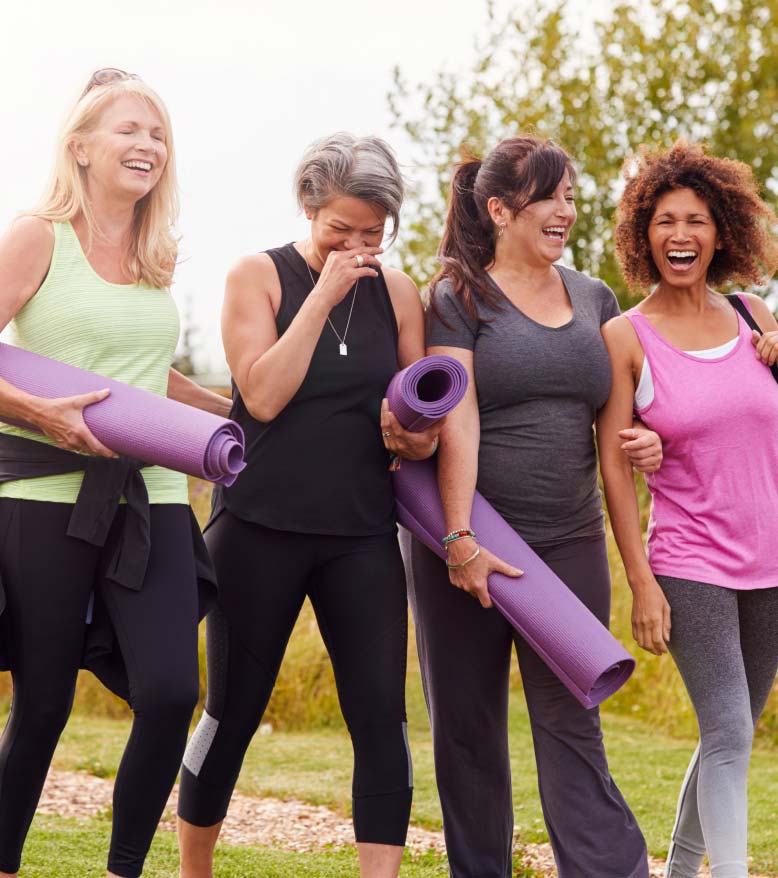
There’s no side-stepping the issue — physical movement is an essential part of healthy aging, and walking is one of the easiest and most accessible strategies for moving each day. We’ve long promoted walking — be it leisurely or more intense, slower or faster, fewer or more steps. Different walking strategies appear to be supported by various studies that all report important and attainable health benefits depending on the number of steps you take and the pace at which you walk. Whether for exercise, social connection, mind clearing, or communing with nature, walking is one important way to stay physically strong and active as you get older. And new research continues to support walking as an antidote for a range of challenges you face as you age.
A recent study published in PLOS One provides such support. According to this new research, scientists have long suspected that physical activity can protect against, or even reverse, physical frailty (which includes symptoms such as fatigue, loss of appetite, weakness, and loss of energy). Since being in a state of frailty puts you at risk for other health concerns such as falls or surgery complications, it’s important to determine what you can do to fight off frailty. In this study, scientists examined whether walking speed could help improve frailty scores among older adults. While those who walked leisurely did improve their scores, those who walked faster did even better during several months of 3x/weekly walking sessions in retirement communities. While you may need to slowly work up your speed, participants overall did not injure themselves at the faster pace and, in fact, demonstrated that older adults are more physically capable than we often assume. So strap on that stopwatch and read more here.
To continue on the theme of faster walking, another new study published in JAMA Network Open confirmed that walking at a brisk pace is associated with a lower risk of premature mortality. According to this study of over 4000 adults with an average age of 69, those with a higher walking speed were linked to a 23% lower risk of death during the study. In this case, the results suggest that the faster you are able to walk, the less likely you are to be living with chronic disease or the more likely you are to be managing that chronic disease, and thus in better health. If you lose the ability to walk more briskly, that suggests a chain of health concerns that can put you at risk for increased morbidity or mortality, including falls, frailty, or cognitive decline. So how can you pick up the pace? Recommendations are that you start from wherever you currently are, track your steps and pace, aim for 5,000-6,000 daily steps, and move on from there if possible. And for more support in honing your walking technique and upping your pace motivation, lace up your sneakers and click here.
There is also evidence that walking supports gut motility and can help relieve constipation. It’s clear that physical activity can help move muscles in your GI tract, which helps break down food and waste and move it through your system. While there’s no guarantee that a walk will end your constipation (and no substitute for drinking water and adding fiber to your diet), you may want to get up and go the next time you’re having trouble “going.” So grab some prunes and read more here. And if you want some insights into how an intentional walking strategy can reduce your heart health risks, look here and here.
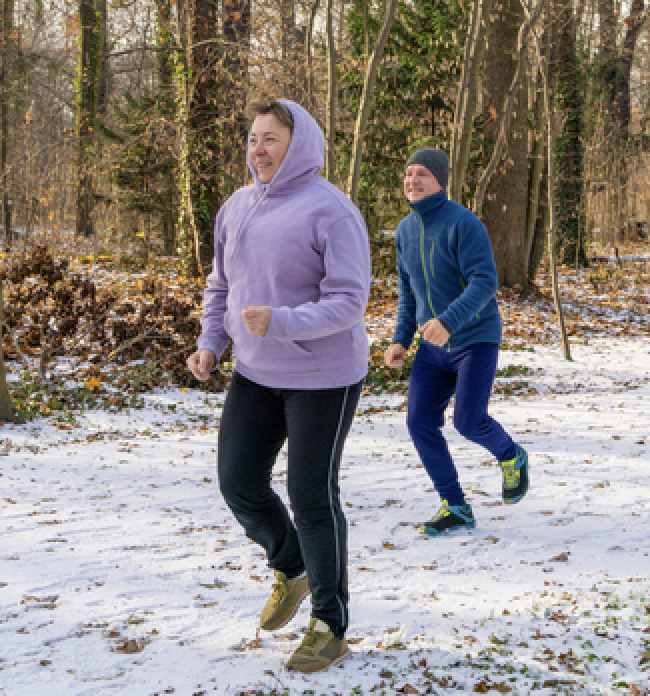
Of course, whether or not an outdoor walk is on your agenda for the coming cold season is a very individual consideration. Given concerns about safe and secure footing or frigid temperatures, you may want to reconsider an outdoor stroll (even at a brisk pace) and instead take things indoors, either on a treadmill, a mall hallway, or even the stairs in your home. While walking outdoors during winter is not harmful per se, you need to be sure you are dressed appropriately, including layers, shoes, and maybe walking sticks. But if you really want to be safe (and warm), then perhaps the latest video from Yes2Next, taking you through a 20 Minute Latin Walking workout, is just the thing. So get ready to walk and groove to some Latin music, and watch here.