Subscribe


Face Age: Does Your Face Match Your Age?
August 5, 2026
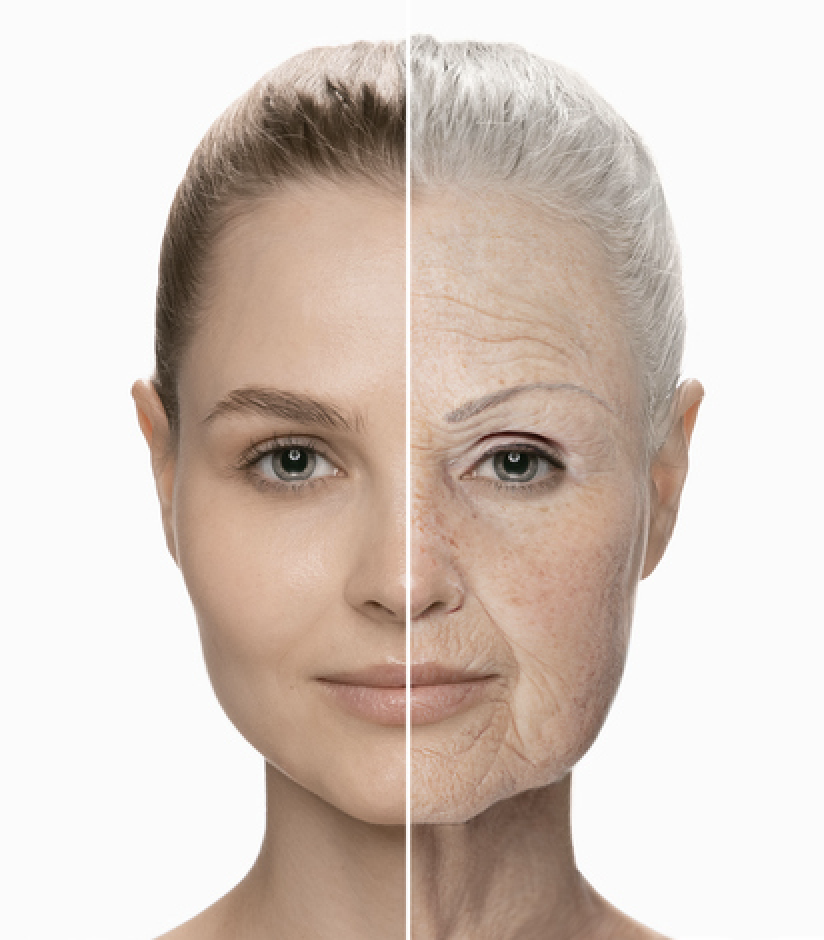
If you were to think about some of the leading ladies in popular culture, the ones who regularly star in movies, television series, or other celebrity venues, who comes to mind? Anne Hathaway? Jennifer Lopez? Reese Witherspoon? And if you were to take a guess as to how old they are, based on the way they look, could you hazard a guess? You know these women have been around in our culture for decades, yet looking at them, they often appear to be ingenues just starting in their careers. So what does that say about our culture of beauty, and what does that do to us mere mortals when older women appear “ageless” or even appear to be aging backwards? The modern term for this is “age blindness,” that is, the difficulty you have in discerning someone’s biological age. The more we see these “ageless” celebrities, the more difficulty we have determining what we’re supposed to look like at any age. And these celebrity images get amplified on social media, so that not only are women confused and distressed about how they should look at any given age, but younger generations coming up are fed an unrealistic diet of images to “aspire” to. No wonder there’s a rush among younger women to get fillers, Botox, and other facial enhancements even before they have any reason to think their faces show signs of aging. The feedback loop of “ageless” Hollywood women is even more distressing, given that many of the up-and-coming celebrities not only appear ageless but also have a homogenized, generic quality to their looks. This means it’s often hard to tell them apart, and it’s disorienting and distressing to see similar facial features put forth as our modern standards of beauty. Writing in The New Yorker, Jia Tolentino described these celebrity faces as “technically beautiful but more spiritually unattractive, replete with new info but devoid of human meaning.” Furthermore, these faces are rapidly spread through social media, so their looks get amplified and multiplied among non-celebrity followers.
Accordingly, a recent poll by the Pew Research Center reports that it’s not only female celebrities, young and old alike, who are trying to appear younger. According to the survey results, 43% of adult respondents (many more women than men) report they have gotten or would consider getting non-surgical cosmetic treatments or cosmetic plastic surgery to help themselves appear younger. Many more also said they would take anti-aging supplements and cover their gray hair to appear younger. Given this culture of, in essence, trying to appear age blind or ageless, how do women who want to age “naturally” withstand the cultural pressure to conform, and also, how do they deal with the inevitable comparisons of what a 60-year-old Nicole Kidman looks like versus their own selves at 60?
Buzzfeed recently gathered some insights from women who decided that they would not fall into that “comparison trap” and would instead age naturally. Among the reasons these women offered? “I want my child to be able to recognize me.” “I’m a middle-aged lady. How… sad would it be if I hadn’t found something about me that’s more valuable than my appearance by now.” “Comparison is the thief of joy.” “Looking younger is not the same as looking better.” “I care much more deeply about caring for others, and leaving a positive legacy,” and “I think of all the fun stuff I spend my money on instead.” In fact, this last point is important to note. In a recent post about the “ageless” appearance of the actress Demi Moore, one commentator noted, “When we scroll past images of women who appear to have opted out of visible aging, we are not looking at a realistic template. We are looking at a different level of resources.” When the average facelift can cost a minimum of $9,000 before additional fees, recovery, and maintenance, we are putting forth a beauty standard that is financially out of reach for most of us. Yet one more reason to feel distress and possibly envy.
However, there are reasons to think the tide may be changing, or at least slowing down. Are there celebrities willing to show up with real human faces on screen, to allow real human expressions to emanate from their faces? Beauty editor Valerie Monroe recently celebrated the full expressive face of actress Jessie Buckley in the movie Hamnet, and she went on to write, “Aesthetic interventions that reduce wrinkles and facial asymmetries like crow’s feet diminish the cues that can signal warmth, wisdom and happiness, the very things we rely on a face to communicate.” The Wall Street Journal even reports that completely smoothed out foreheads are now passé in cosmetic procedure circles, and instead, patients are asking for “strategic wrinkles” to maintain some character in their faces. Perhaps in this era of AI and pervasive, unrealistic beauty standards, the search for the authentic and “real life” looks will not only survive but thrive. As we all cling to what makes us human in this new era, let’s hope that the natural face of an older woman not only survives but is celebrated.