Subscribe


Stand Your Ground: Fall Prevention And Balance Enhancement
June 10, 2026
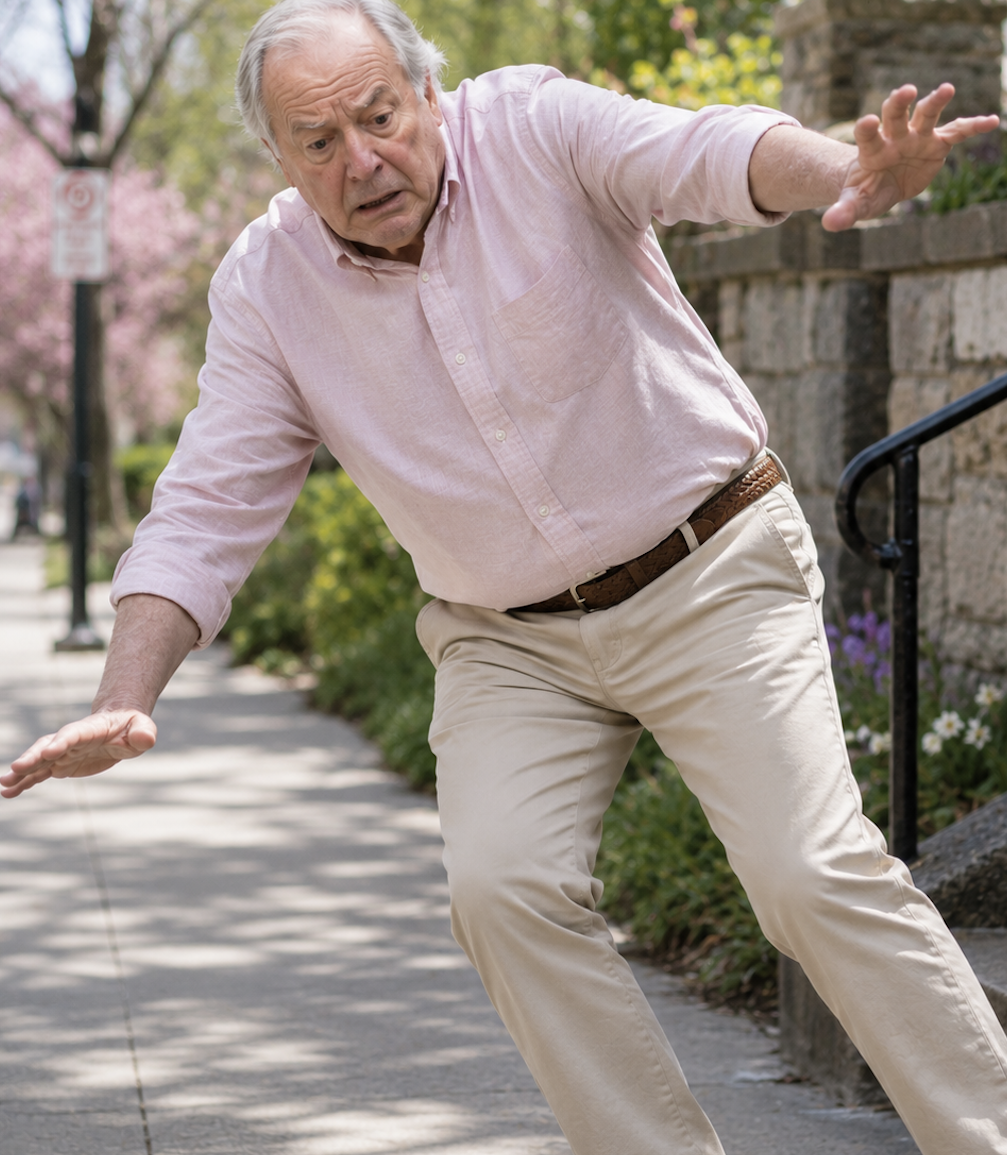
Falls continue to be a major source of threat and injury for older adults. So taking precautions and understanding your risk is essential if you want to stay upright and injury-free- and you do, because a fall cannot only cause inconvenience and minor injury, but it can lead to more serious health concerns, including hip fractures, brain injuries, and even death. As the CDC reported this past February, “Falls are the leading cause of injury-related death among adults ages 65 and older, and the fall death rate is increasing.” New research published in The Journal of the Post-Acute and Long-Term Care Medical Association underscores the connection between falls and subsequent health concerns. Researchers examined the medical records of almost 3 million individuals, from middle age on, to understand the connection between falls and a subsequent dementia diagnosis. What they found was that those who experienced even a single fall had a 20% higher risk of developing dementia in the future. In comparison, those with multiple falls had a 74% higher risk of dementia. It’s not clear whether the fall somehow causes dementia, causes behavior that could lead to dementia, or is an early symptom of dementia. While more research needs to be done, falls, especially multiple falls, suggest a need for increased vigilance regarding dementia screening going forward.
Fall prevention efforts need to happen regularly and be adjusted depending on your individual risk factors. While everyone potentially harbors different risks for falling (as falls can result from factors ranging from vision problems to leg weakness to medication side effects), what’s critical is that you and your health care provider carefully review the modifiable risks in your life to lower your potential for falling. So, for example, geriatrician Dr. Leslie Kernisan of the website Better Health While Aging recently updated her recommendations concerning fall prevention efforts. At a minimum, she suggests you regularly review your medications, your blood pressure (both sitting and standing), your gait, strength, and balance, and your home safety hazards. And lest you think that only winter weather poses a threat for outside falls, Harvard Health recently published a range of outdoor summer risks that may land you on your bottom (or at the emergency room) if you’re not careful. So watch out for those concert crowds, parks and playgrounds, and summer storms, and find out more here.
Furthermore, when it comes to prevention, you may want to consider your pill box, as new research seems to confirm that healthy individuals who take Vitamin D and calcium to help with fall prevention and lower the risk of fractures from falls may be wasting their time and money. According to a new study published in BMJ, which reviewed 69 previous clinical trials involving over 150,000 people, taking calcium, vitamin D, or both offered little or even no protection against fractures or falls in adults considered generally healthy. For those individuals with osteopenia or osteoporosis, however, the calculus may be different, and you are advised to continue whatever supplements have been recommended to you and to have a broader conversation with your own health care provider. But for healthy older adults living in the community, your time and efforts (and money) on fall prevention strategies will likely be better spent elsewhere than taking these supplements. For more on this study, click here and here.
Clearly, one important focus of your fall prevention attention should be on strengthening your balance. While balance problems can be caused by medications or even inner ear vestibular problems (for example, take a look at JAMA’s new post on dizziness caused by Benign Paroxysmal Positional Vertigo), older adults often experience balance problems due to loss of muscle and strength. A recent article in MD Linx reminds us that balance exercises may be the forgotten exercise when it comes to healthy aging. While we’ve tried to stay on top of exercise suggestions to shore up your balance, we can always use more recommendations to keep us steady and strong. So, for example, Health.com recently published a list of 9 balance exercises for you to try. As well, a recent study published in PLoS One described a small series of exercises performed while lying down to promote coordination of your core and limbs to enhance balance and agility. But if you’re ready to stand up and move to improve your balance, then the recent recommendations of senior personal trainer Patricia Greenberg may be just what you need to better your balance. So grab a chair, stand wide, and find your exercise options here.