Subscribe


Prevention And Protection: Prevent Falls And Reduce Injuries At Home
September 23, 2026
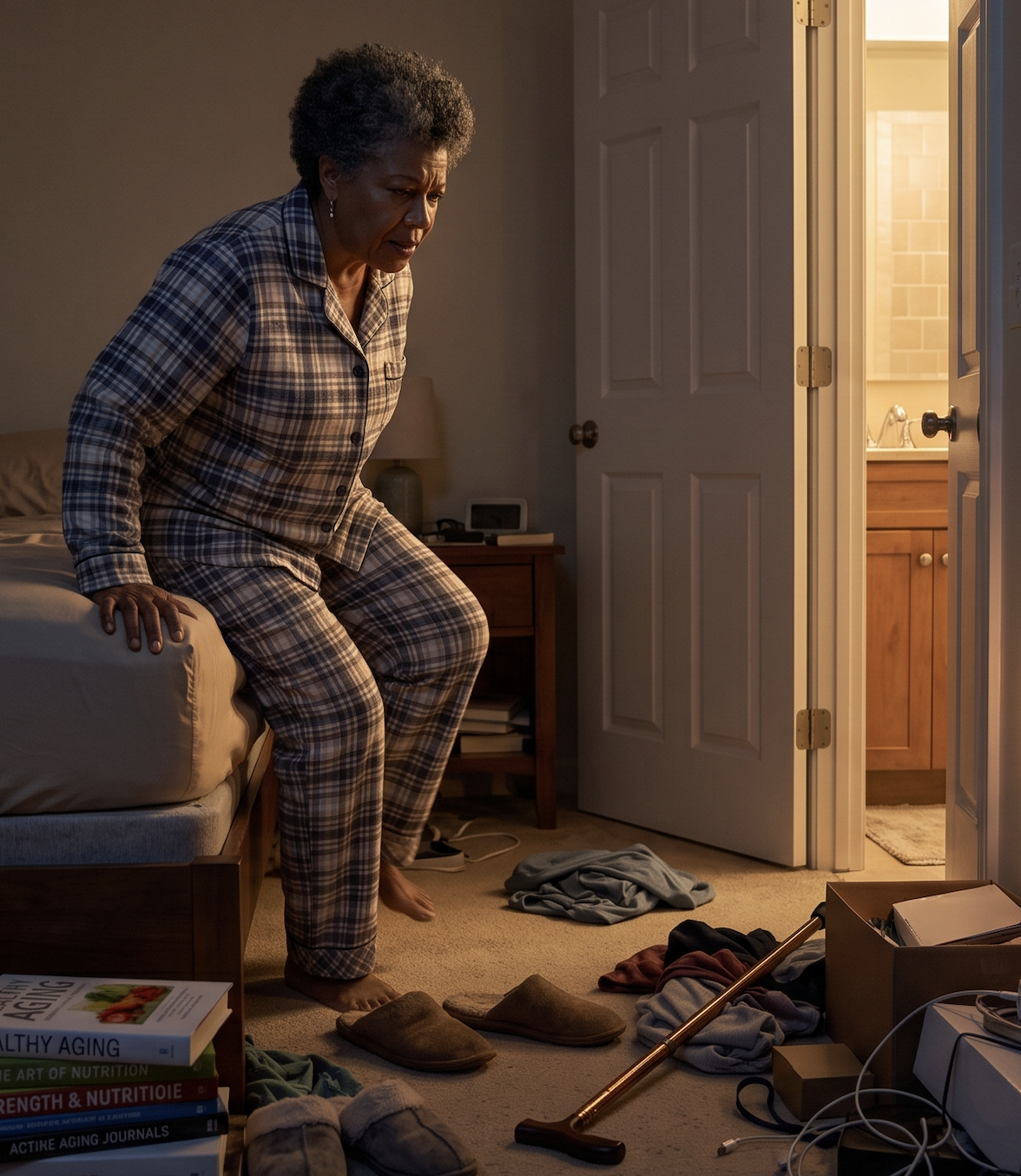
Happy Fall Prevention Awareness Week! From September 21 – September 25th, the Academy of Orthopedic Surgeons is marking this awareness campaign by publishing materials designed to highlight the threat of falls to older adults and the measures you can take to lower your risk and keep yourself injury-free, especially inside your own home. According to their materials, some of the most serious risks you may encounter are inside your home, whether due to trip hazards, insufficient lighting, out-of-reach daily objects, or other obstacles that may cause you to lose balance and wind up on the ground. As one expert has made clear, “A fall can happen in a split second, but the injury that comes from it can have a much longer impact.” To get the ball rolling, watch where you’re walking and take a look at the Academy’s Home Safety Checklist here. You might also want to check out their Fall Prevention Guide, Home Safety is Bone Safety.
Regarding specific spots in the home that may raise the highest risk, bedrooms and bathrooms are considered the most perilous places. Bathrooms are often considered “the deadliest room in the house.” Design expert and architect Lloyd Alter was recently interviewed by The Wall Street Journal about the hazards you face in the bathroom, commenting that “There are many more deaths from falls than fires, but smoke detectors are everywhere.” Whether it’s the slippery surfaces, the small size that often means you need to twist and contort your body, or the germs that abound in your bathroom, Alter recommends stall showers if possible, lower (not raised) toilet seats (to complement the natural elimination position of a squat), and grab bars everywhere, including next to the toilet, to make it safer to sit and stand.
Bedrooms are a whole other hazard, and some recent materials from Home Age Fit not only outline the areas of concern but also offer recommendations for making your bedroom (and nighttime journey to the bathroom) simpler and safer. Calling the bedroom and nighttime path to the bathroom “high-risk zones,” the Home Age Fit materials for bedroom safety list multiple points of potential problems, including the bedroom layout, the movement of transfer from bed to bathroom, lighting, and floor surfaces. They underscore that you need to consider bed height and supports that help an older adult move from lying down to sitting up, to standing, and then walking to the bathroom. A press release from Home Age Fit cites a 2025 Mayo Clinic analysis that estimated an average of 320,000+ bed-related fall injuries among older adults, leading to emergency room visits. It’s even suggested that when helping to determine risky bedroom spots, you ask your older adult to demonstrate getting up from bed and walking to the bathroom during the night (something that most older adults do at least once), so that you can observe when they pause, when they need to reach for something, what kind of twisting they do, and whether/how they grip furniture as they move. All of these may be points of risk that should be addressed and eliminated if possible.
For individuals who have had 2 or more falls in the last year, or 1 fall requiring medical care, loss of consciousness, or inability to get themselves back up, it’s recommended that they undergo a comprehensive fall-risk assessment, in addition to a medication review, rather than just a timed-up-and-go test. Of course, in order for your health care provider to know that a full fall risk assessment is warranted, they need to know about your history of falling, but evidence suggests that fewer than ½ of those who fall actually tell their physician about it.
Whether or not you have a full fall risk assessment, there are strategies you can employ in your own home to lower your risk, maintain your stability, and walk with more confidence. A recent article in Podiatry Today pointed to important aspects of shoe fit (including wide soles, slip-resistant outsoles, secure fastenings, and moderately firm insoles) to keep you on steady ground, along with foot strengthening exercises and broader exercise programs that have evidence behind them to reduce fall risk. For example, the Otago exercise fall prevention program out of New Zealand is one of the most respected programs around to help you stay strong and steady and lower your fall risk. Watch one expert take you through the exercises here. One additional and highly recommended exercise strategy for fall prevention is tai chi, which has been demonstrated to significantly reduce fall risk in older adults. A recent interview with Mark Peters, author of the book The Midlands Tai Chi Rehabilitation Method™, underscored the value of tai chi positions in providing you with more present and mindful movement that lessens the likelihood of a fall. Finally, geriatric expert Dr. Leslie Kernisan, of Better Health While Aging, recently recorded a video explaining the fall prevention approaches she most often recommends to her older patients, which include a mixture of exercise and strength training, balance practice, medication reviews, and home safety reviews. So stand steady and watch her advice here.