Subscribe


Wedded Bliss? Some Lessons From Long Marriages
August 26, 2026
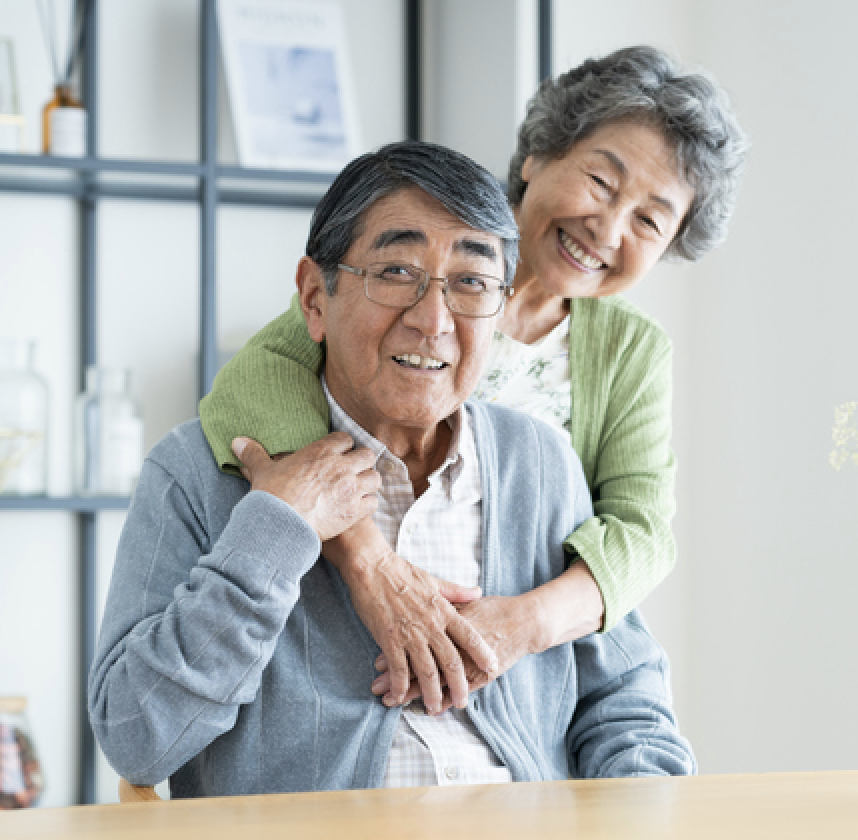
Ossie Davis, the American actor and activist, who was married for more than 50 years to his wife, actress Ruby Dee, once said, “There is no secret to a long marriage – it’s hard work…It’s serious business, and certainly not for cowards.” There’s no doubt that the work of sustaining a long-term marriage is ongoing and occasionally exasperating. In a recent article in The Washington Post, long-married couples attested to the thoughts and thanks they have for sustaining their marriages over decades. Whether it’s learning how to argue (argue over a topic, not each other), making sure to show appreciation and gratitude, or staying positive and believing the marriage will last, it’s clear the couples who stay together work hard on shared goals and come to understand that they are “better as a unit than being alone.” Which is not to say even long-time partners may not eventually decide to split up, as we see in the rise of “gray divorces.” But many long-time marriages survive and even thrive as each partner gains new interests and insights as the years go on. And there are even examples of couples who divorce and then later realize what they lost and found in each other, and rejoin in what one couple calls a “remarriage.” For an example of one such couple who came back together in their 70s, tie some knots and click here.
But there may also be health benefits derived from being married for a long while about which older couples should take note. For example, we know from many prior studies that being married is associated with longer life expectancy and often healthier behaviors reinforced by a spouse. In particular, a recent study published in Cancer Research Communications, examining more than 4 million cases of cancer, found that unmarried adults, especially men and women who never married, had substantially higher rates of certain cancers than married or previously married men and women. Marriage appears to be consistently associated with earlier cancer diagnoses and improved cancer survival. The types of cancers more prevalent among unmarried adults often have to do with unhealthy behaviors, such as alcohol use, smoking, or infections.
There is even recent research exploring whether marriage may lead to slower biological aging. In a study just published in Brain, Behavior and Immunity, researchers from The University of Alabama at Birmingham considered whether happy marriages can help or hurt your healthy aging. From their observations, the researchers concluded that while happily married couples seem to live longer, a happy marriage on its own is not sufficient for promoting healthy aging and slowing down biological aging. What’s critical is that the marriage also contains healthy behaviors that spouses reinforce in each other. A marriage can be strong and happy, but if that’s rooted in shared unhealthy behaviors, then the marriage will not work to promote longevity in each spouse. In essence, as the researchers posit, a happy marriage can be a “double-edged sword” when it comes to biological aging. Whether the spouses support and mimic each other with healthy or unhealthy behaviors will ultimately be the defining factor in whether the marriage supports and nurtures healthy aging and longevity.
But even a long marriage, where both spouses appear to be healthy growing old together, can come to a crashing end if one spouse’s health begins to decline and the other becomes the caretaker. As one long-time spouse wrote in a recent Modern Love column for The New York Times, “We had a good life…and then we got old, and the fun was over…I was no longer a we but an I.” So even the happiest of long marriages can come to an end- though perhaps not with the sadness you might assume. As Annie Korzen wrote in this Modern Love column, “I loved being married to Bennie, and now I love being alone.” As the actress Ellen Burstyn once said, “What a lovely surprise to discover how un-lonely being alone can be.”