Subscribe



Tissue Time: Protecting Yourself From Circulating Contagious Viruses
November 18, 2026
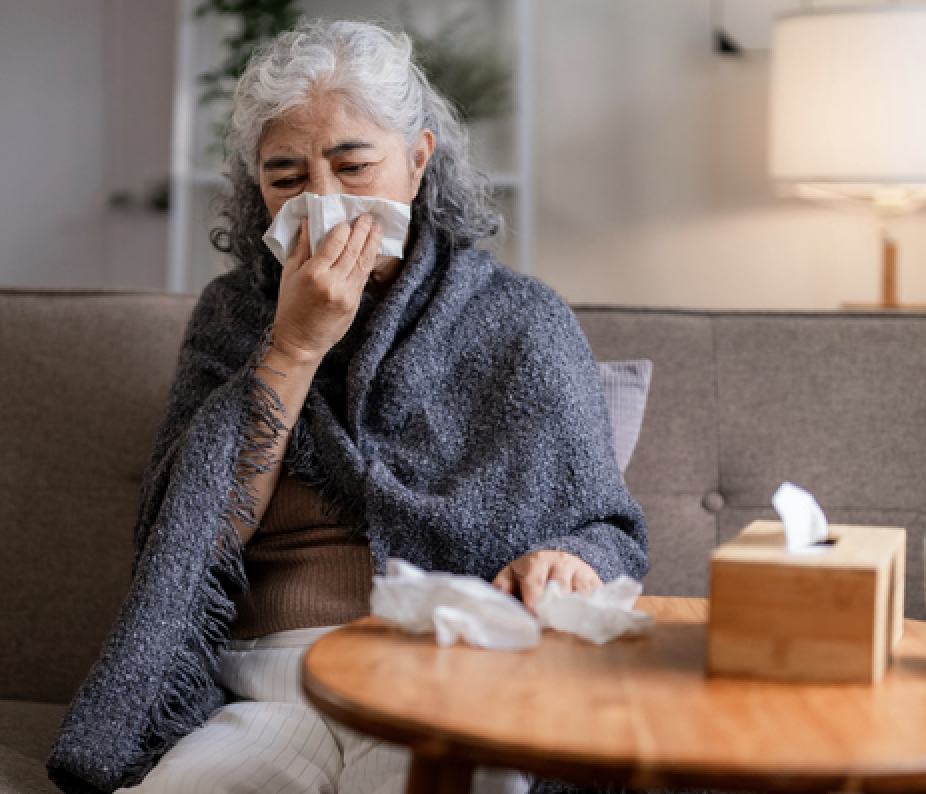
It’s that time of year when a simple cough or sneeze may lead to your worst nightmare. As we previously reported, this year’s flu season started early, with 7 states (especially in the South and western US) now reporting high levels of flu activity, a rise from just 2 states the week before, and it’s been reported that 3% of doctor’s office visits this past week were related to flu-like illnesses, another sign that we are knee-deep in flu season. Flu hospitalizations are the highest they’ve been this time of year in 15 years, with over 35,000 hospitalizations and over 2000 deaths attributable to the flu so far this fall. This is even before people have started gathering together inside for the upcoming holidays. It’s not too late to get vaccinated for the flu (and other circulating viruses), and with millions of people expected to be traveling over the next month, the best protection you can get against the flu is with the vaccine (and do so quickly, as it can take about 10 days for the protection to reach its full strength). If you do come down with the flu, or one of the other viruses, such as COVID or RSV, or even just a cold, take a page from Dr. Lucy McBride’s recommendations and stock up your medicine cabinet with some essentials for this year’s cold and flu season.
And if for some reason you needed further prodding to get your flu vaccine, you may be surprised to learn what research is uncovering about additional health benefits to be gained from receiving the flu vaccine. First, a recent article in The Washington Post highlights novel research demonstrating that, in a small clinical trial, injecting the flu vaccine directly into a melanoma tumor brought about a robust immune response, which allowed for easier removal of the melanoma and, in some cases, a complete disappearance of cancer cells. While this was just one small trial, others are underway, and the success underscores the powerful immune responses that can result from the flu vaccine. Another recent study, this one involving the high-dose flu vaccine that most older adults receive, found that the high-dose vaccine was associated with up to a 22% lower risk for developing Alzheimer’s over the 2 years that study participants (aged 65+) were followed, compared to those patients who received the standard dose of the flu vaccine. Published in the journal Neurology, this study suggests that vaccine protection from viruses may also offer protection for future brain health concerns (as appears to also be the case with the shingles vaccine).
And speaking of strong and protective vaccines, there is new research underscoring the value of the RSV vaccine produced by Moderna. Published in JAMA Network Open, this new research reports that the Moderna RSV vaccine provides strong protection against serious cases of RSV in adults aged 50 and above. While the efficacy of the vaccine does seem to dwindle in older populations (especially for those aged 80 and above), for those younger than 80, this vaccine offers real protection against what can be a serious viral infection, especially among those immunocompromised or dealing with other chronic illnesses, such as COPD, asthma, or cardiovascular disease. Among older adults, it’s estimated that 6,000- 10,000 will die each year due to RSV. Currently, the CDC recommends the RSV vaccine for adults aged 75 and above, and for those between the ages of 50 and 74 who are at increased risk for severe cases of RSV. Medicare will pay for an RSV vaccine for those eligible, so it’s definitely worth looking into. For more information to help you understand the implications of an RSV infection and what the options are for RSV vaccines, roll up your sleeve and click here and here.