Subscribe


Flu Season: Given The Early Start To This Year’s Flu, You Need To Protect Yourself
October 7, 2026
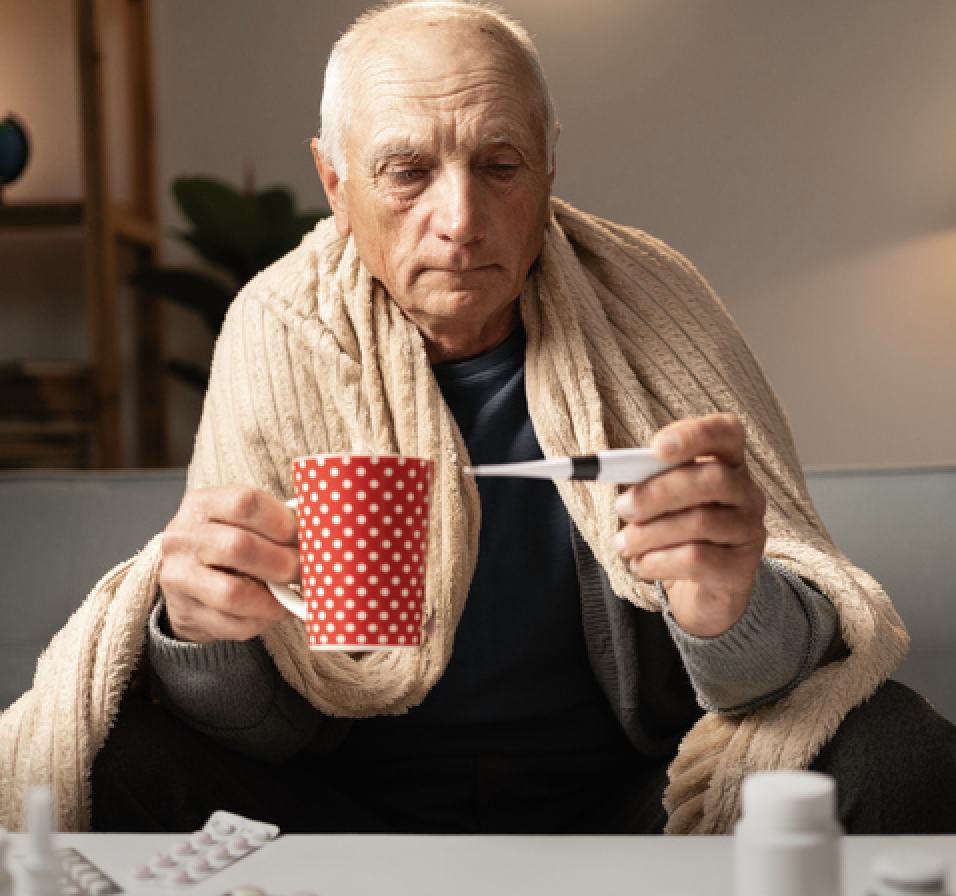
You may know that in a typical year, the flu season generally starts in October and peaks in December through February. Experts usually advise adults to obtain a flu vaccine by the end of October. Because it takes the vaccine a few weeks to get fully up to strength, you would then be protected by mid-November before the season starts in full force. But not this year. According to public health data, at least in certain parts of the country (as well as in other countries such as Japan), flu cases have already started to pick up significantly, surprising physicians and health care systems with flu activity they usually don’t see until December. A high level of cases is becoming particularly problematic in the western part of the United States, in states like Washington, Nevada, Hawaii, Alaska, and California. While flu seasons are difficult to predict in advance, and vaccines are already available around the country, it’s likely that much of the country remains unvaccinated this early in the fall. There is also some confusion about the flu vaccine this year due to problems at the CDC. Given this early uptick, experts are recommending not only that everyone get vaccinated, but that they do so now.
As a reminder, here is a good overview of everything you need to know in preparation for your flu shot and the coming flu season. Regarding vaccines specifically formulated for adults aged 65 and over, there are several different higher-dose vaccines recommended. Previously, we described a new mRNA flu vaccine (called mFLUSIVA) developed by Moderna and specifically allocated to adults aged 50+. While this new vaccine is not universally available, Moderna has a link available to help you determine if it’s available in your vicinity.
If you’re hesitating about getting the vaccine, one interesting article recently published in The Washington Post may cause you to rethink your hesitation. According to this article, similar to the idea of “long COVID,” you can become a victim of “long flu,” which could leave you sick and disabled with long-lasting symptoms that could stick around for more than a year. Compared to COVID, long flu is particularly tough on your lungs and chest, making breathing difficult and causing long-term problems in almost all organ systems, including your heart, brain, and kidneys. While there is not much research on long flu, there is growing evidence that its effects can be enduring and potentially serious. Yet one more reason to get vaccinated, so that you can lower your risk of getting the flu.
How else can you lower your risk? AARP recently published a long list of methods to avoid flu infection, including many of the same precautions advised during the COVID pandemic, including frequent hand washing, wearing masks when infected, care in what and where you touch (germs on your hands can easily get into your body through your eyes, nose, or mouth), extra household cleanliness, and more general good health behaviors like sleep, regular hydration, proper nutrition, and physical activity. For a recommendation on how to best clean surfaces, consider the advice given by the product Force Of Nature and perhaps take the next step of having one of their products on hand should the flu enter your house (you can buy their disinfectant here).
And if you do get the flu? Experts recommend you get tested as soon as you suspect you may have it, as available therapies only work within a short time period after your symptoms start. And to avoid spreading the virus to others in your circle, you should isolate and limit your contact until you have gone 24 hours without symptoms (including 24 hours without fever medications), and then take post-isolation precautions for the next 5 days. If you stop isolating while you still have symptoms, you are more likely to spread the virus to others. A recent study published in the American Journal of Epidemiology reports that most people fail to isolate for a sufficient period of time, thus leading to unnecessary viral spread. Given that over 30 people have already died of the flu this fall just in California, it behooves us all to do whatever we can, for ourselves and our loved ones and take precautions. No one knows for sure what’s ahead, but we do know how to protect ourselves.