Subscribe


Splitting Hairs: Hair Loss And Hope On The Horizon
September 9, 2026
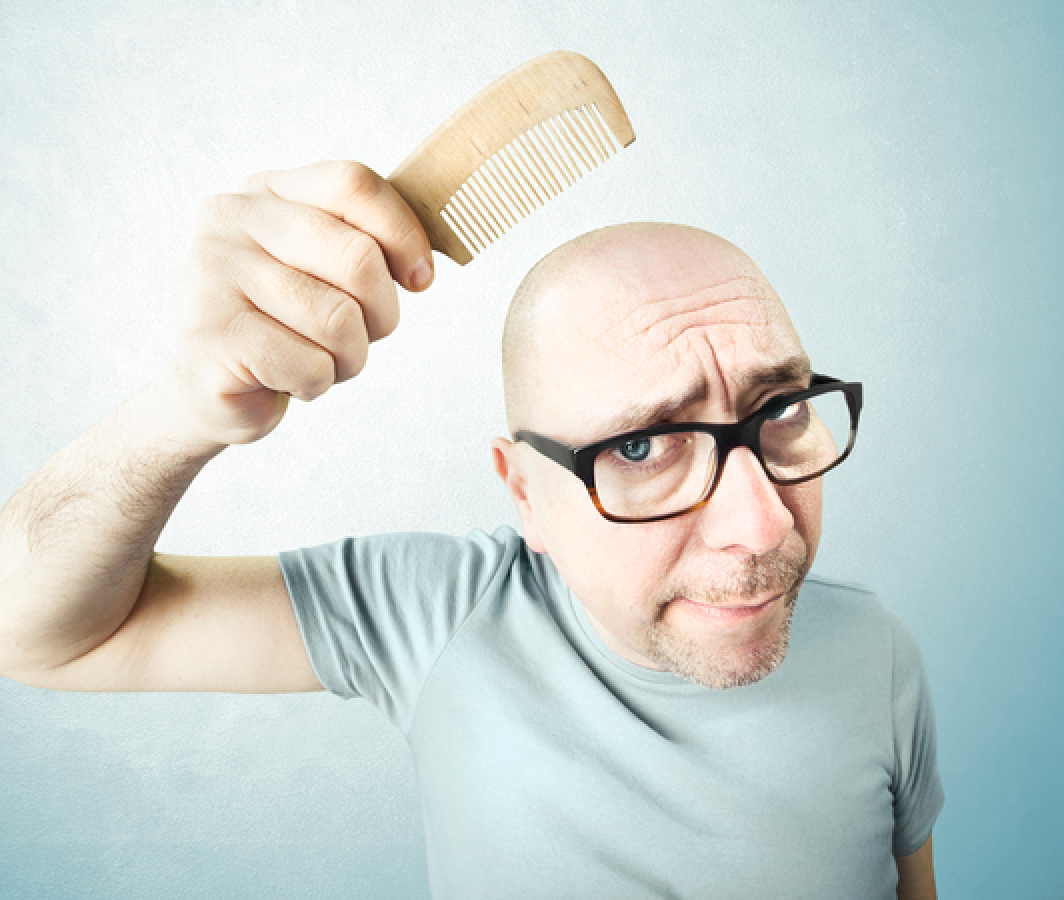
Hair loss, otherwise known as alopecia, is a common and often anxiety-provoking experience that so many of us experience as we get on in years. Estimates are that up to 80% of all men and 50% of women experience some level of hair loss in their lives, especially as they get older. Moreover, addressing hair loss is a big business for pharmaceutical companies, investors, and entrepreneurs, with estimates that the hair loss treatment industry is now worth over $8 billion. So, with this large a population affected, and this large an amount of money devoted to the cause, you know that new opportunities to address hair loss are likely on the horizon.
And yet, in the United States, there have been no new drugs addressing hair loss approved by the FDA since the late 1990s. But it appears that the drug development drought may be coming to an end, as Bloomberg reports that hair loss is now considered the next “goldmine” by Wall Street investors. According to Bloomberg, current treatments, including minoxidil and finasteride, are commonly used but do have side effects, including cardiac concerns and effects on sex drive. But new treatments, such as an oral, slow-release version of minoxidil, from the company Veradermics, are in the late stages of clinical trials with the goal of soon becoming the first FDA-approved oral medication for hair loss, possibly for both men and women. Another new medication, called clascoterone, from the manufacturer Cosmo Pharmaceuticals, works by targeting hair follicles and blocking a hormone that causes male pattern baldness at the follicle. These manufacturers are hoping that the success and FDA approval of these new drugs will rival the financial success of GLP-1s, for which many consumers have been willing to pay out-of-pocket in order to access the medications. Time will tell, but given the anxiety and even despair that many feel due to hair thinning and hair loss, it could be that these new drugs will be blockbuster financial successes, as well as being joyously welcomed by millions of older adults.
But speaking of GLP-1s, there is new data recently released about the connection between these weight loss drugs and the incidence of hair loss. According to new analysis from Penn Medicine, in a study published in BMJ, patients using GLP-1s to treat their diabetes are more likely to experience hair loss than if they had used other drugs to treat their condition. The study followed patients at the start of their use of GLP-1s for type 2 diabetes and then followed those patients for up to 5 years. Across all ages and sexes, hair loss was greater among those patients using GLP-1s than with other diabetes medications. Researchers are not clear as to why this happened. It is known that weight loss itself can cause hair shedding and hair loss, perhaps due to nutritional deficiencies. The question is, is there something else in a GLP-1 that can biologically affect hair growth mechanisms or cause hair loss?
Another study, this one focused on men genetically predisposed to male pattern baldness, also showed an association between GLP-1 use and hair loss. Published in the Journal of Investigative Dermatology, this new study found that those men who were genetically prone to male pattern baldness face a small but real increased risk of hair loss when they used a GLP-1 medication. Again, while weight loss can trigger hair shedding, researchers believe that the activity of the GLP-1 itself may be linked to a higher risk of hair loss in these men, separate and apart from the resulting weight loss. While some patients report that, once their weight is stabilized, hair growth returns, it’s not clear what biological mechanism is causing the hair loss in the first place. Further studies are needed to clarify this connection, but it is possible going forward that men who carry the genetic predisposition for baldness (estimated to be about 50% of white American men over 50) might benefit from some sort of screening and proactive treatment before being prescribed a GLP-1. For more on this study and the connection between hair loss and weight loss from a GLP-1, grab your comb and click here.