Subscribe


Push A Bit Harder: The Benefits Of Intense Physical Exercise
April 8, 2026
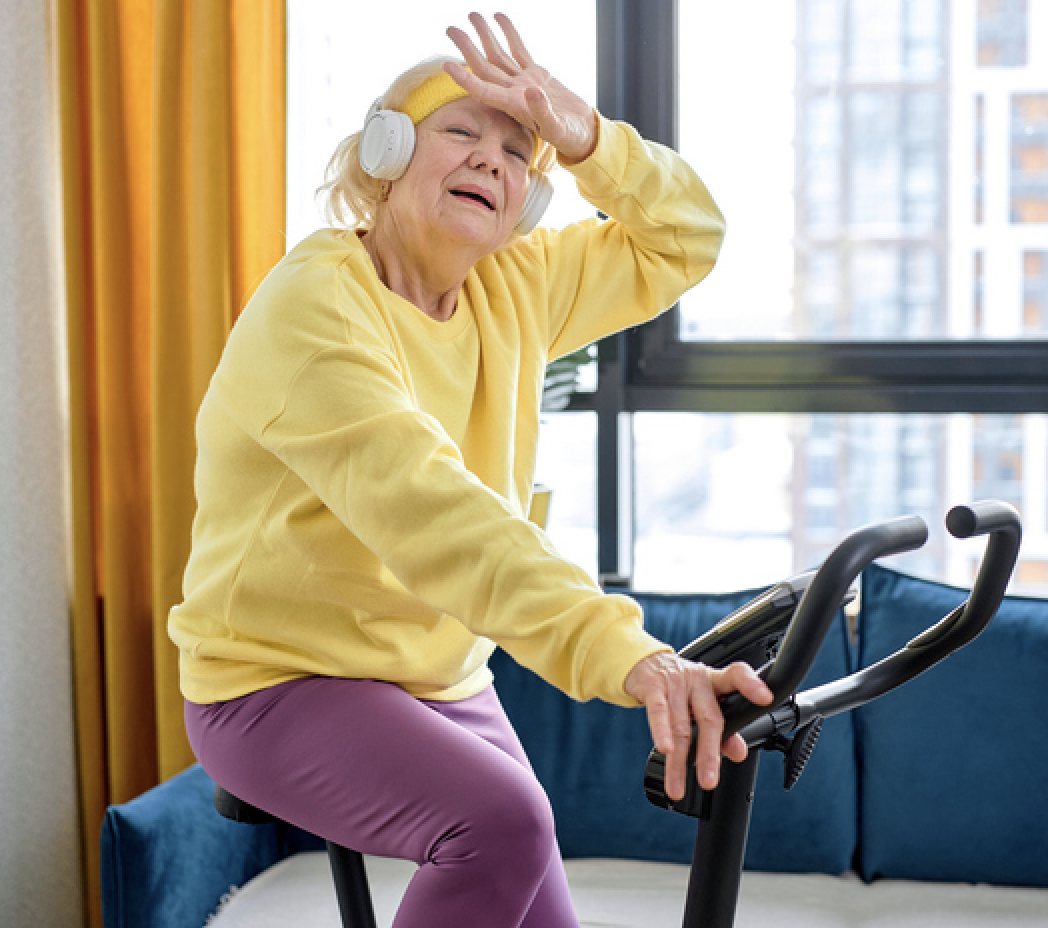
We’ve often touted the general recommendation that older adults engage in at least 150 minutes per week of moderate to vigorous physical activity, in addition to 2 sessions of strength training a week. No doubt that if you adhere to that recommendation, you will be putting yourself on a path toward healthier aging. But some brand new research suggests you also consider the intensity of your exercise, as opposed to the quantity of time you spend working out, if you want to improve your chances of staying healthy as you get older.
First, a study out of Australia, and published in the journal Maturitas, focuses on the impact of HIIT (High-Intensity Interval Training) exercise on older adults. Specifically, the study examines what kind of exercise can best help older adults reduce body fat but not lower their lean muscle mass, something that often happens as adults get older. This study involved 120 participants of “normal” weight, with an average age of 72, who were enrolled in a high-intensity, moderate-intensity, or low-intensity exercise program, 3 times per week for 6 months. At the end of the trial, all 3 groups showed a modest reduction in body fat, but only the high-intensity group was able to maintain their lean muscle mass. As you age, you are likely to gain fat mass but lose lean muscle mass, which puts you at increased risk for such diseases as osteoporosis, sarcopenia, and cardiometabolic diseases. So it becomes important to do all you can to reduce body fat but maintain your lean muscle mass.
What exactly does it mean to engage in HIIT? At its core, HIIT involves short bursts of intense cardio or strength-based movement, followed by a period of rest before resuming. If you are working at the appropriate intensity, your breathing should be heavy, and your ability to speak should be quite limited. While most people think of HIIT exercise as strictly cardio, it can involve such strength-training movements as push-ups and lunges. It’s the intensity of the effort rather than the rigidity of the exercise category that defines HIIT training. For older adults, it’s wise to check in with your primary care provider before starting on a HIIT regimen, as your joints or cardiac history may mean that such exercise could put you at risk. But for those of you fortunate to be healthy and active into your later years, this may just be the next stage of exercise to keep you motivated, moving, and healthy. For a sample HIIT workout for older adults from Harvard Health, get ready to sweat and click here. Our friends at Yes2Next also have a 20-minute HIIT low-impact exercise regimen specifically designed for older adults that you can watch here.
One additional new study published in the European Heart Journal also makes the case for the importance of HIIT exercise for older adults. Researchers for this study examined data from almost 100,000 participants who wore activity trackers to monitor the intensity of their workouts. This study found an important correlation between the intensity of physical activity and health, especially the risk of developing 8 different types of chronic conditions, including Type 2 diabetes, dementia, cardiovascular disease, and Afib. Participants in this study were an average of between 56 and 62 years old, and they were followed for 9 years. Those who engaged in regular, intense, vigorous exercise had a substantially reduced risk of these conditions (anywhere between a 29%-61% lower risk, depending on the condition) compared to people who did not engage in regular, intense exercise. Again, the length of exercise time was less important than the short bursts of intensity that were utilized. So, even without a formal exercise regimen, if you quickly climb stairs or run to catch a train, that’s the kind of regular, intense movement that could be key to improving and maintaining your long term health. As one expert stated, “Even just 15-20 minutes (of intensity) spread across the week can provide meaningful health benefits.” And, icing on the intensity cake? It may also help reverse and prevent cellular aging, adding a longevity benefit to your healthier aging. To find out more, grab a sweatband and click here.