Subscribe


Power Up: New Guidelines On Best Strength Training Strategies
March 25, 2026
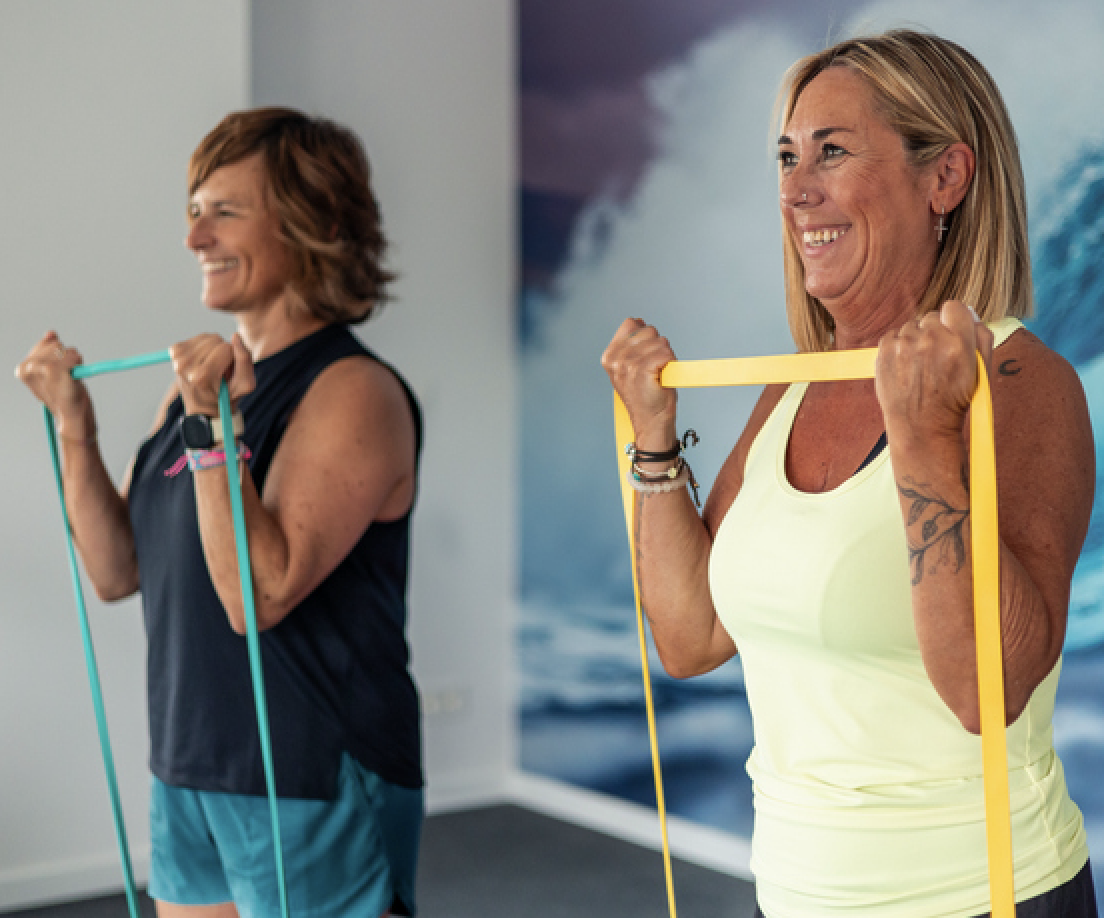
Just like the repetitions and consistency that exercise requires in order for you to make progress, we at agebuzz have been consistently and regularly recommending that you engage in strength training (also known as weight training or resistance training) in order to support your health, mobility, and independence as you get older. As one expert makes clear, “Resistance training should be a central component of lifelong health, not just something reserved for athletes or younger populations.” Now, new professional guidelines from the American College of Sports Medicine align with this notion of the centrality of strength training for all, with consistency and basic exercises valuable for everyone, no matter where you rank on the strength training ladder.
After a systematic analysis of 137 reviews of resistance training studies, the authors of these new guidelines emphasize consistency rather than the pursuit of strength training perfection, suggesting that basic programs involving free weights, resistance bands, or your own body weight, used consistently (at least 2 times per week), are all that most people need to get valuable results. You don’t need fancy gym equipment or exotic and physically exhaustive “Superman” strategies (forget training until your muscles fail). The goal is to find a regular, consistent routine (especially if you’re just starting to engage in strength training), recognising that any weight training you do is better than none, and that age is no barrier to achieving positive results. One more important factor: While consistency is more important for you than complexity, it is important that you gradually but continually challenge yourself, with a slow but steady increase in the weights you lift or number of repetitions you engage in, to keep your muscles continuously challenged and strong. For a deeper dive into these new resistance training recommendations, get ready to swing your kettlebell and click here.
Research continues to underscore the value of strength training for the body and brain. A brand new study in the journal GeroScience found that resistance training can slow down brain aging by up to 2 years. In a study of 309 older adults divided into 3 groups (one involved with heavy resistance training, one with more moderate resistance training, and a non-exercise control group), both groups that engaged in resistance training had significantly slowed the aging of their brains in contrast to the control group (as assessed through MRI brain scans). It’s known that resistance training can increase the blood flow to your brain, delivering more oxygen and nutrients for healthier brain neurons. This form of exercise is also associated with reduced chronic inflammation, which is associated with cognitive decline. In essence, the more consistently you engage in strength training, the better for your brain health (and body). As one expert summed it up, “Every rep is an investment in your future self- muscles and mind.”
So, whether you’re new to resistance training or just need some motivation to stay the course, we can offer you some expert insights on ways to engage. Every Day Health recently updated its ultimate guide to strength training for those over age 50, which includes key guidelines on the benefits, the types you can try out, what you need to know to start, and the best 6 exercises you can do at home to get you on your way to stronger muscles and more power. If you’re looking for some video instruction, Silver Sneakers has a recent video exploring how older adults can safely and effectively work their way up to heavier weights. Finally, our friends at Yes2Next have many valuable videos, with 2 recent demonstrations of particular relevance to developing a resistance training routine: a video highlighting Resistance Bands Workouts for Seniors and a video at the Intermediate level on Strength Training to Build Muscle. Whichever way you decide to go, the one non-negotiable has to be a consistent commitment, no way around it. As experts make clear, “Resistance training is no longer optional; it is essential for long-term health, performance, and independence.”