Subscribe


Food Hall: Updates Regarding What And How You Should Eat
August 26, 2026
For most of us, a perennial question is some version of, “What should I make/eat for lunch/dinner?” The advice on healthy eating can be overwhelming and even contradictory, and keeping track of labels and ingredients can turn meal prep into an obstacle course. Eating should in many ways be a pleasurable experience. You should enjoy the taste and textures of the food you eat, and it’s often the excuse for social engagement or group experiences. What you eat and why very much depends on your culture, age, genetics, medical conditions, sex, weight, and medications, and there is no one diet that meets everyone’s needs. Science can tell us much about food and healthier aging, but as an individual, you are the ultimate arbiter of the food you eat and under what circumstances you dine.
A recent book by Dr. Daniel Lieberman makes the case that we have not evolved as a species to benefit from much of the food we have available today. In his new book, Fed Up: What Evolution Reveals About Food, Diet, Health, and Eating Well, Lieberman argues that many of the 40,000+ products we encounter in the supermarket aisles today don’t serve our evolutionary needs as a human species. He suggests a less dogmatic and more thoughtful approach to eating, including such advice as having skepticism about “the one” diet you should eat, or that any particular diet will be a magic bullet to solve your health problems. Instead, you should pick and choose the best elements from different diets, which would include such choices as unprocessed and minimally processed foods, limited salt and sugar, no trans fats and mostly unsaturated fats, no weird additives and limited red meat, especially processed meats. Along a similar vein, a recent article in Prevention outlines foods that the world’s healthiest people consume. Similar to the recommendations of Dr. Lieberman, this list concentrates on mostly unprocessed foods, with a smattering of such goodies as popcorn, protein shakes, and cookies, along with the healthy choices of almonds, broccoli, beans, avocados, olives, honey, salmon, spinach, and yogurt. But no one expects you to be “perfect” in what you consume, and even Dr. Lieberman makes clear he never passes up the chance to eat birthday cake! So, for those moments when you can’t or don’t want to fixate on your food, you may be interested in seeing the latest post from Consumer Reports about the best frozen meals they’ve found, tested and reviewed based on nutrition and flavor, with some actual healthy choices in the mix!
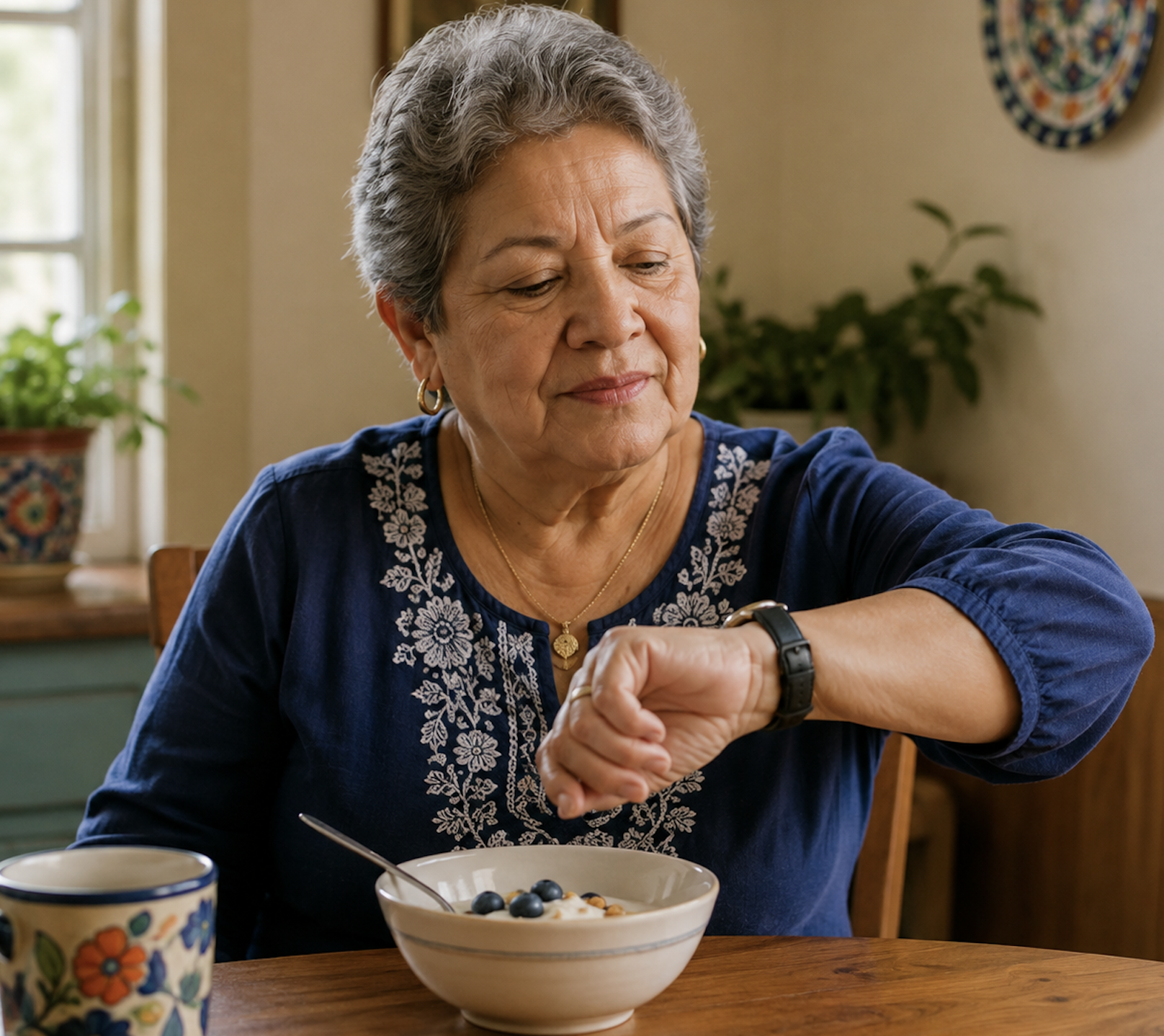
Moving on from what you eat to how you eat, there is some new evidence that suggests timing can make a difference in terms of the effects of food on your health. First comes a study presented at the recent American Society For Nutrition annual conference in July 2026. The research involved a pilot study of 47 older women (ages 50-79) who were either obese or overweight and who were trying to lose weight by cutting 500 calories per day. Some of the women were instructed to eat their meals within an 8-9 hour window, while others were given up to 12 hours to eat their meals. Both groups achieved similar weight loss, but what differed were the cognitive benefits depending on the timing of their meals. By shortening the window in which the women could eat their meals, scientists found greater improvements in cognitive performance, such as planning and problem solving, and potentially some benefit for memory as well. Scientists are not sure of the biological mechanism behind the cognitive differences, and for older adults who are frail or struggling to consume sufficient protein and calories, this time-restricted eating may not be healthy. But for those whose schedules permit, and in consultation with your physician, this may be one more tool in your toolbox for keeping your mind sharp as you age. For more on this study, take a glance at your watch and look here.
However, one final word of caution from an even newer study. Researchers at the Karolinska Institute in Sweden, publishing their work in the Journal of Internal Medicine, report that older adults who go the longest without eating each day may hasten the development of chronic disease in their bodies. For this study, one group did not eat for 6-11.5 hours each day while another group did not eat for 14-24 hours each day. Those who fasted for longer periods developed chronic disease faster than those whose fasting was for shorter periods. This effect was seen in participants aged 78 and older, not among those aged 60-77. The study was unable to assess the biological reason for this disease acceleration among older adults, but it does give a note of caution to those who have considered intermittent fasting as a health goal. So before you decide to fast, figure out with your physician whether that’s an appropriate approach for you. And find out more about this study here.