Subscribe


Spill The Tea: New Research On The Health Benefits Of Tea
April 8, 2026
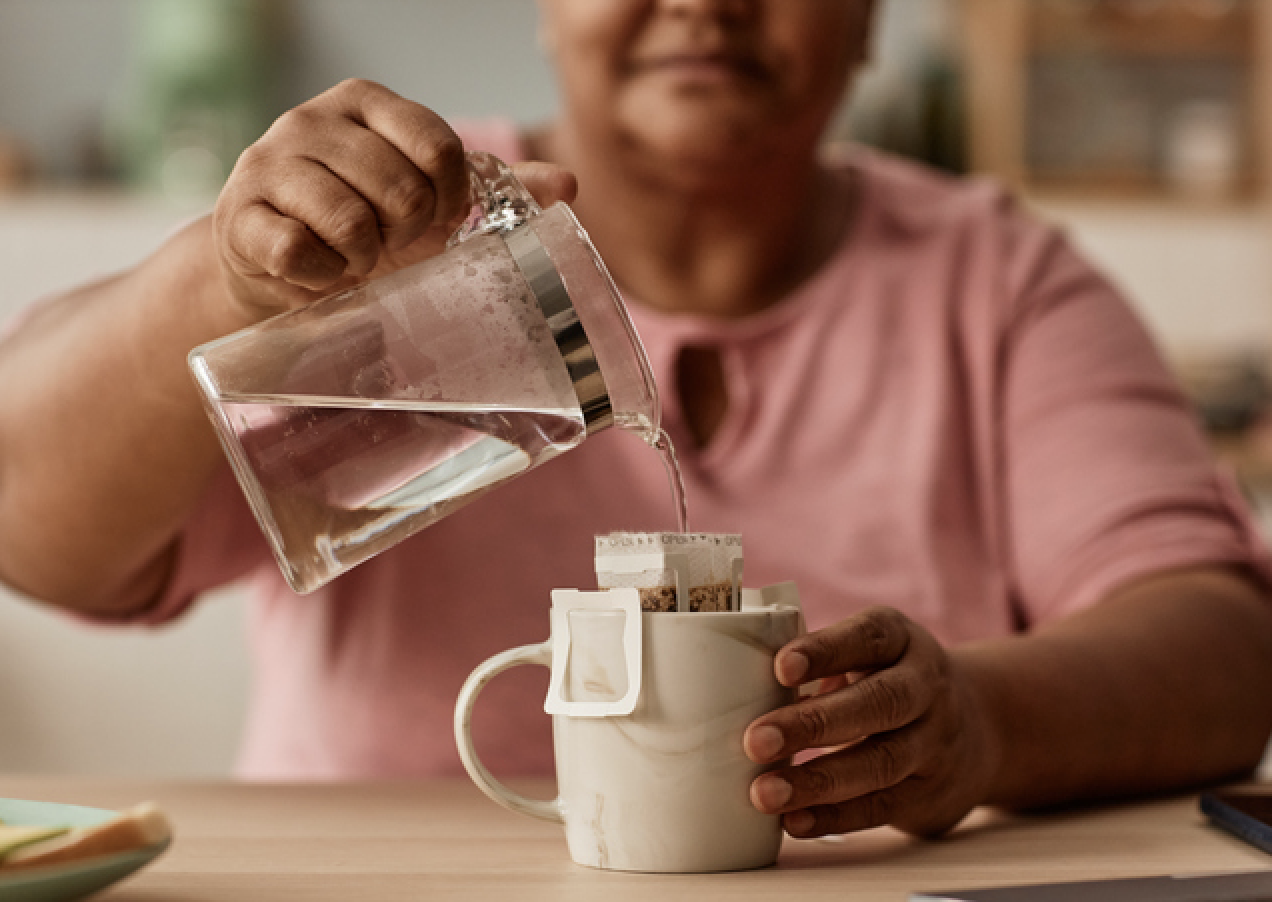
As the weather gets warmer, you may envision a cool glass of iced tea as the perfect refreshment break. Maybe you even indulge in some sweet tea or bubble tea as a special treat. There’s no doubt that tea can be a source of real pleasure as well as nutritional value, whether you drink a caffeinated black tea, a green tea, or an herbal tea. But how you prepare your tea and what you add to it can negate whatever health benefits you might otherwise derive. New research underscores that tea can be an important part of a healthy aging diet, for your body and your brain, so long as you don’t dilute or cancel its effects by how you prepare, enhance, or consume it.
First, in a recent study published in JAMA, researchers considered the long-term connection between drinking caffeinated beverages such as coffee or tea and the risk of dementia and cognitive function. Enrolling over 130,000 individuals in the study and following them for up to 43 years, researchers found that the daily consumption of caffeinated coffee and tea (especially 2-3 cups of coffee or 1-2 cups of tea) was associated with a lower risk of dementia and modestly better cognitive functioning. Consumption of decaffeinated coffee or tea did not show the same effect of lowering the risk of dementia. So moderate amounts of caffeinated tea (or coffee) are good, but more than that is not necessarily better.
Specifically focused on the health benefits of tea, a new research review published in the journal Beverage Plant Research digs into the disease-fighting nutrients to be found in a cup of tea. According to this research, which adds to the growing evidence of its health benefits, moderate intake of tea (1.5- 3 cups a day), especially green tea, is consistently linked to better heart and metabolic health, including a lower risk for cardiovascular disease and such related conditions as obesity and Type 2 diabetes. This review found that green tea in particular stood out for its cardiovascular protection. What also stood out from this study was that the health benefits of brewed tea, likely due to not only the caffeine but also the polyphenols and antioxidant compounds present in tea, were not the same when tea is commercially bottled, usually with preservatives, sugar, or artificial sweeteners. The health perks from tea derive from the plant leaves that are brewed, not the liquid that is bottled and processed. While research about brewed tea is ongoing, this review seems to suggest that your best bet for deriving maximum benefit from a cup of tea is to home-brew a green or black tea, unsweetened (though honey does have some medicinal health benefits), with the additional advice of hot but not boiling water and steeping the tea for 3-5 minutes to extract the benefits of the polyphenols. So forget about the bubble tea, sweet tea, or Arnold Palmers (although these are great summer non-alcoholic drinks), and find out about the important benefits of a cup of brewed green tea here.
For a comprehensive, full review of the range of green, black, and herbal teas available for purchase, and what each provides in terms of health benefits, fill your kettle and click here.
And as the saying goes, “A cup a day can go a long way.”