Subscribe


Living With Loss: Dealing With Grief After The Loss Of A Loved One
October 14, 2026
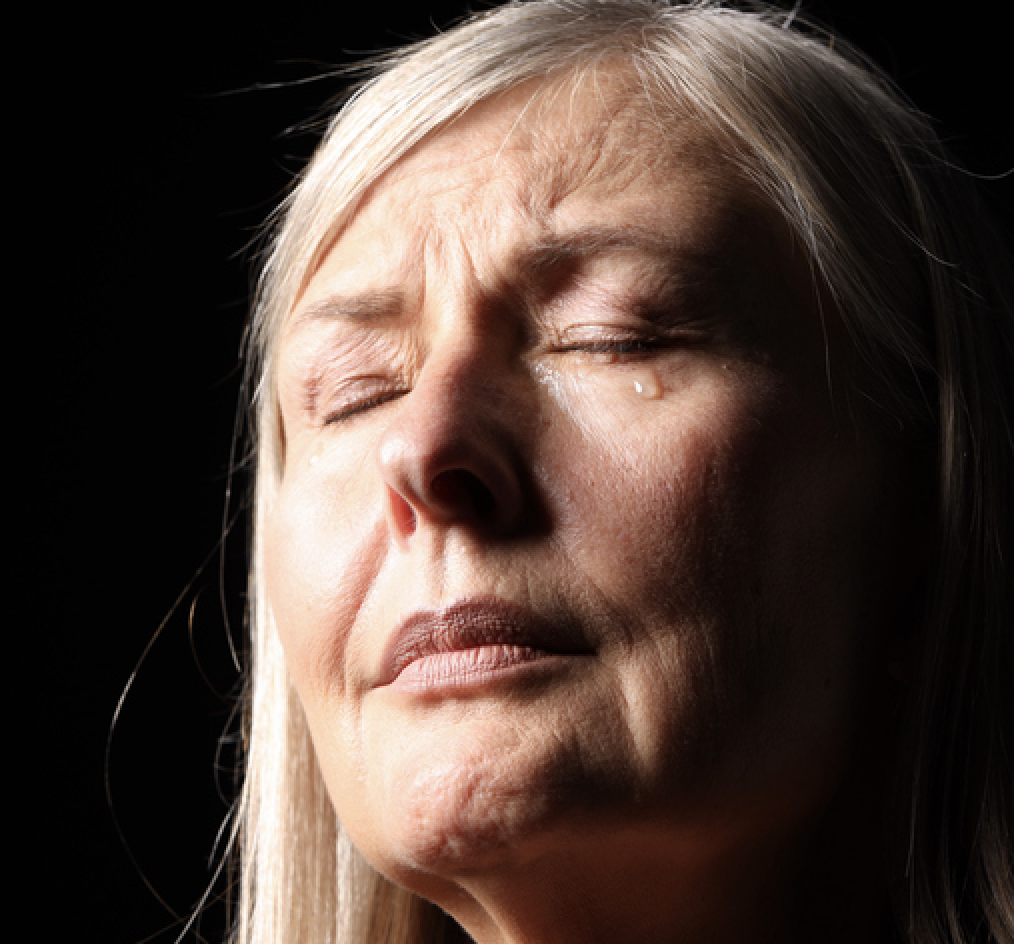
Just as death is a universal experience for everyone, so too is loss- that is, if you’re alive, at some point you’re likely to deal with loss and grief from the death of another person. And as one recent post on the topic made clear, “We’re all going to die, and so is everyone we know. So how can you not be terrified?” Many of us fear our own death, though as a society we seem to be coming out of the silence on this topic and recognizing that talking about death is both a way to take some control and to also appreciate the life you are currently living. It’s becoming much more common- dare we say even popular- to discuss death and dying out in the open, and one recent article reported on a 2024 survey that found 90% of respondents believe talking about death and dying is normal and healthy.
Contemplating your own death requires you to get comfortable talking about it. A recent article in The Guardian had some suggestions for how you can “tolerate” the thought of your own death, including: Don’t be embarrassed by the fear you have; Think about some of the logistical planning you need to consider, so you and your loved ones won’t be in crisis at the end of your life; Ask yourself whether what you are now doing will be meaningful to you on your deathbed, or whether you have learned anything from a loved one who’s already passed; Perhaps most importantly, we typically are always looking forward rather than just living in the moment, but contemplating our death can teach us how to live and find meaning in the present while balancing what will happen to us in the future.
Research on grief after the death of a loved one is also picking up, as more of us live longer and therefore are likely to experience the death of someone we love and the grief of losing that loved one. For example, a recent study published in the Journal of Epidemiology and Community Health looked at the experience of middle-aged adults losing an aging parent. In the study, researchers determined that the loss of a parent is more bearable and less detrimental to your mental health if you are supported by a network of siblings. The fewer siblings available to share this loss, the more likely someone grieving would need medications for their mental health.
There’s also been heightened interest in the phenomenon of “grief attacks.” These are considered “surprise surges” of physical symptoms similar to a panic attack (such as shaking, sweating, dizziness, etc.), accompanied by a psychological sense of acute grief with pangs of longing, intense feelings, and anxiety about a deceased loved one, and perhaps irrepressible tears. These sorts of attacks can be brief or can last longer, for 30 minutes or more. These waves of grief can disrupt day-to-day life and even put you in harm’s way if one is triggered while you are engaged in some physical activity. They can be triggered by something small that reminds you of a deceased loved one, often while you are alone in your own living environment. Once again, new research is helping to better define and understand Grief Attacks, including what the symptoms are, what can trigger them, what the impact can be, and how to overcome them. Regarding current suggestions for how to cope with a Grief Attack, experts acknowledge that these sorts of physical symptoms and feelings are not necessarily abnormal or worrisome (unless they put you in harm’s way) and could even be somewhat “cathartic” if they allow you to experience and then come out the other end of an intense feeling of sadness. But there are also concrete suggestions for handling these often unexpected waves of intense grief, including brief physical activity, like a jumping jack; An intense sensory experience like eating a very sour candy; Putting your head briefly in a bowl of cold water; or slow mindful breathing.
There are also sources of help available should you feel you need extra support for handling the grief you are experiencing. For example, there are grief therapists who can help you articulate your experience of grief or help you identify and better understand the loss you are dealing with. Grief therapists understand that aging and grief often go hand in hand, as your loved ones and peers pass away, your former life (including your independence and purpose) fades, or your understanding that your network is slowly succumbing to death. Such therapists may involve you in something called the Grief Recovery Method, in which you engage in written assignments to help you explore your losses. For help finding a grief therapist, click here. There are also books available to help you better understand this phase of life and how to get through it. A recent addition to this genre is the well-rated book How Will I Ever Get Through This: A Practical Guide to Navigating Life’s Toughest Times by Dr. Lucy Hone.
There’s also a new docuseries on PBS that both explores grief and provides a comedic tone to help lighten the burden and allow viewers to share the anxiety they may feel. Entitled How We Grieve, it uses comedy to address our fears and anxieties about loss, grief, and “our turn in the urn.” To find out more about this new show, get ready to write your obituary and read here.