Subscribe


Eating Smart: How To Eat To Support Your Heart
June 17, 2026
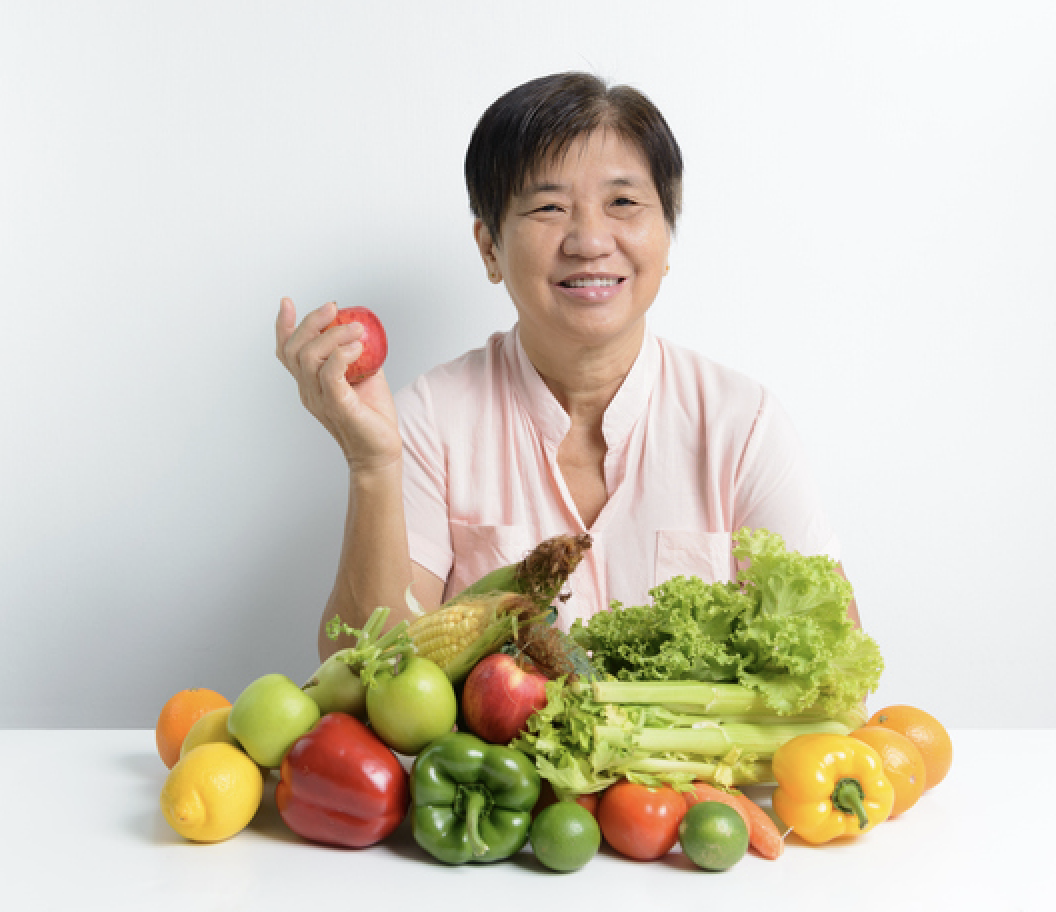
So many aspects of your lifestyle- diet, exercise, stress levels, sleep, etc.- can affect your heart health, but perhaps none as much as the food you eat. Your diet and the nutrients you do and do not eat have a direct impact on the health of your cardiovascular system and your ability to avoid cardiovascular disease, the leading cause of death in adults worldwide. Recently, the American Heart Association (AHA) updated its Dietary Guidance to Improve Cardiovascular Health, which had not been updated since 2021. As the evidence seems to mount, it’s become clear that what you eat directly affects your risk for cardiovascular disease. In fact, experts state that 80% of heart disease and stroke are preventable with such lifestyle changes as exercise and the right diet. So, let’s take a look at the updated recommendations and how you can best do right by your heart.
The AHA highlighted 9 distinct factors of a heart- healthy diet. Rather than making a direct recommendation of one particular diet to follow, they outlined what you need to do with your diet to protect your cardiovascular health. Among the factors they specified? You need to balance calories with sufficient physical activity to maintain a healthy weight. You should be eating a wide variety of fruits and veggies. Focus on eating whole grains rather than refined white grains. For protein, look to such plant-based sources as beans, peas, lentils, or nuts, along with fish and low-fat or non-fat dairy. Limit yourself to small portions of occasional lean red meat. Aim for minimally or unprocessed foods rather than ultraprocessed foods, and reduce your salt and sugar intake in foods and drinks. Replace saturated fats with unsaturated fats like nuts and avocados. Finally, reduce or eliminate your use of alcohol. What’s most important are the patterns of eating you commit to, rather than one specific diet or food. And as the guidelines make clear, heart-healthy dietary patterns provide similar cardiovascular benefits to older adults, so you don’t get a pass simply because you’re getting on in years. For more on these new guidelines, healthy heart food facts, and recipes to help you align your diet with these guidelines, grab the olive oil and click here. Or tape the image below to your fridge as a reminder of what you need to eat to support and maintain your cardiac health.
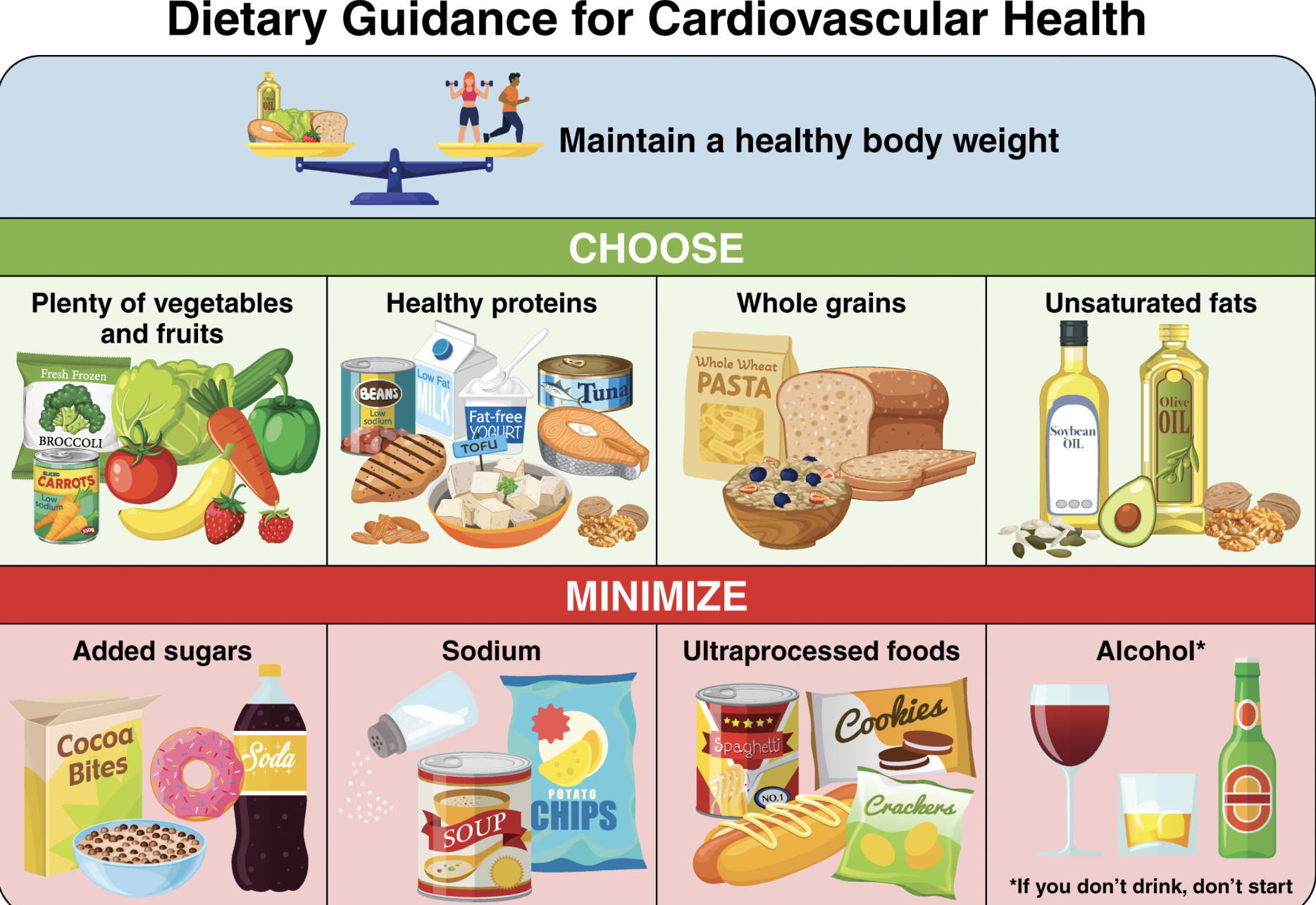
(From the American Heart Association)
And what do cardiologists eat to support their heart health? A recent post in Health.com, which surveyed a group of prominent cardiologists, found their own diets closely tracked with these updated guidelines, including lots of beans and lentils, fatty fish (salmon and tuna), nuts, fruits, and whole grains.
However, one brand new study, published after the announcement of these new heart-health dietary guidelines, suggests a slightly different approach, at least when it comes to filling your plate with fruits and veggies. According to this new randomized study in Food & Function, part of the COSMOS Trial, participants whose diet included a daily dose of 500 milligrams of flavanols were able to cut their risk of death from cardiovascular disease by 27%. While the new dietary guidelines promote regular daily servings of fruits and vegetables, this new study suggests that specific recommendations of particular flavanol-rich foods would also help support heart health and give more specific guidance to those trying to lower their risk of cardiovascular disease. So what do you want to make sure is on your plate in sufficient quantities every day? Pull out your fruit bowl and take a look at the chart below from Healthline:
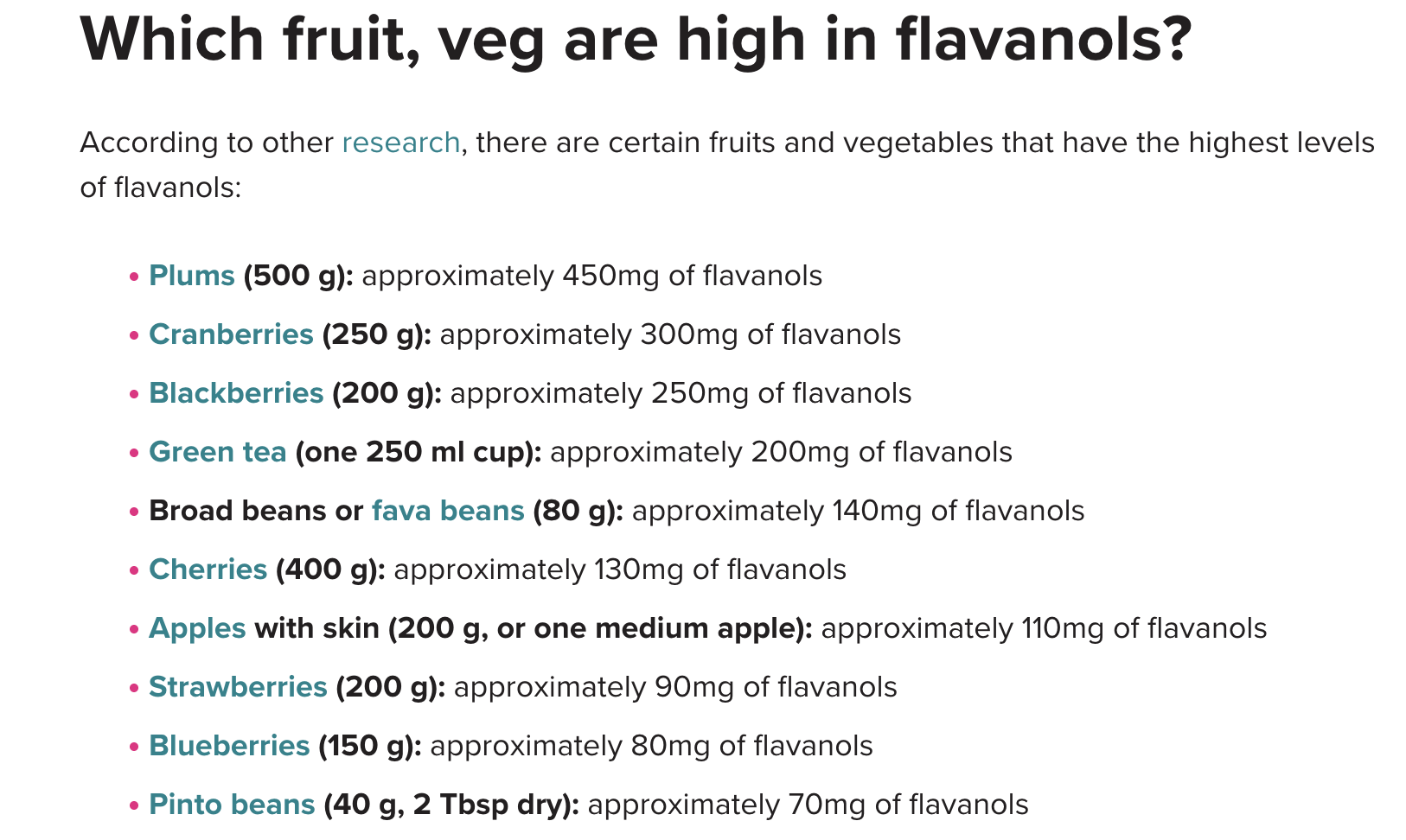
(From Flavanol-Rich Fruits, Veggies May Be Best for Heart Health. Here’s Why in Healthline, June 8th, 2026)