Subscribe


Can You Hear The Love Tonight? The Effects Of Hearing Loss On Relationships
February 11, 2026
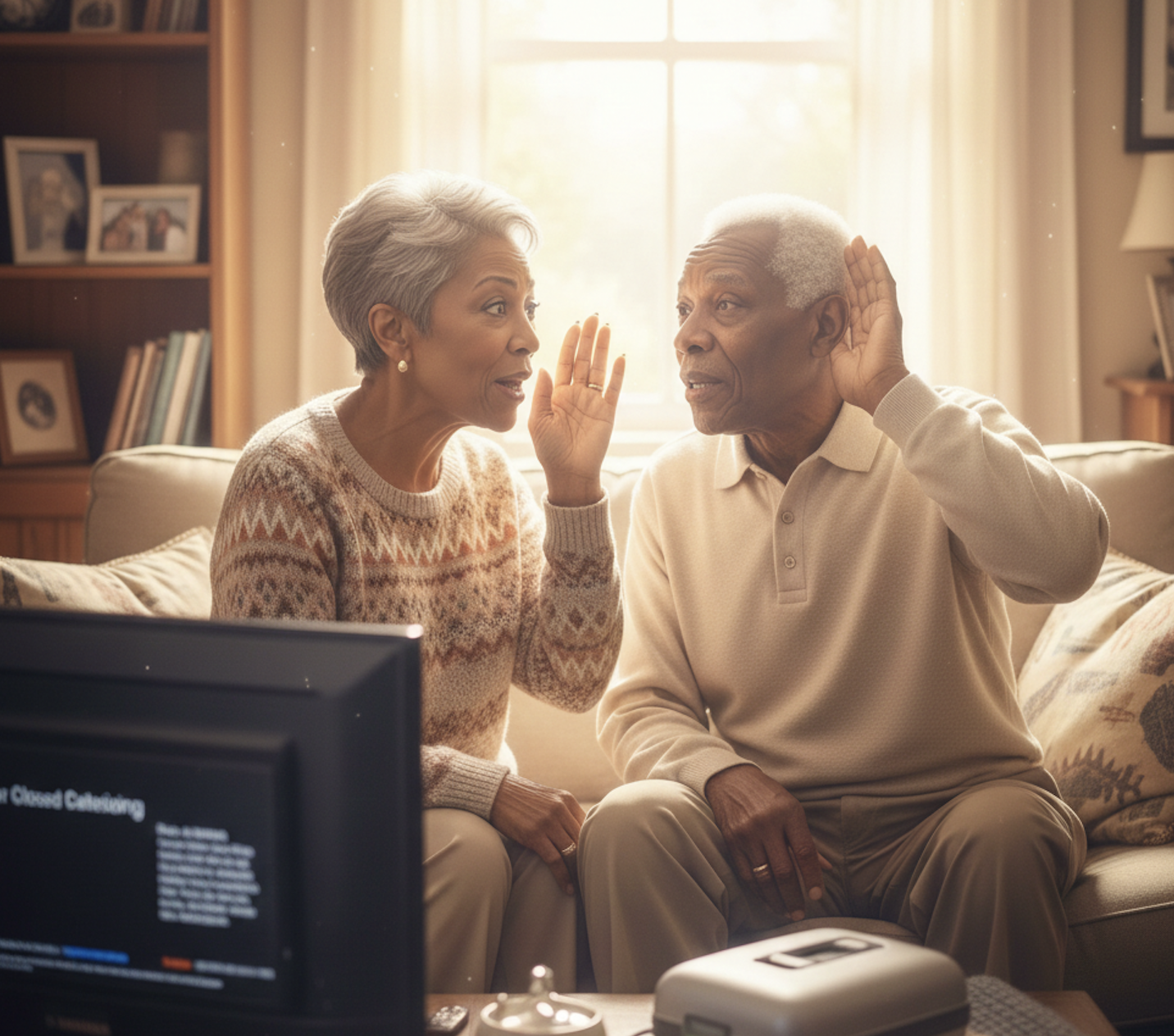
It’s no surprise to learn that hearing loss affects many- if not most- as we get older. According to a recent article in the Annual Review of Public Health, the number of older adults who experience hearing loss, and the severity of that loss, can increase dramatically the older you get. Almost ½ of adults aged 60 have experienced hearing loss, and by age 90, that number is closer to 100%. The causes of hearing loss and the available treatment options can vary. While some causes may be temporary and reversible, others may be more permanent but can be ameliorated with proper testing and hearing aids. Furthermore, there is substantial scientific evidence linking the loss of hearing to conditions such as dementia, cognitive decline, loss of balance, and other physical and cognitive effects. There is even ongoing cutting-edge research investigating the loss of sensory hair cells in the cochlea, which may someday lead to the reversal of hearing loss. So, for your own health and well-being, it behooves you to get your hearing tested and your hearing loss addressed, the earlier the better.
But have you considered the impact of your hearing loss on your loved ones? How many times have you asked your spouse or partner to repeat themselves or to turn up the volume on the TV? How many social invitations have you turned down for yourself and your loved one because you can’t hear the conversation? Do you just nod and guess at responses when someone asks you a question you can’t actually hear? Have family members insisted you have a hearing problem that you’re ignoring? One recent study quoted a person with hearing loss declare, “The worse my hearing got, the less social I got.” Not only does hearing loss impact the social life and well-being of the person experiencing it, but it can also directly affect the life of an involved partner, along with the relationship between the two. And the strain and stress of hearing loss can creep up on a couple, without understanding the impact until the damage has already taken hold.
According to audiologist Natalie Calderon Moultire, Doctor of Audiology at HearUSA, the slow, often imperceptible progression of hearing loss can create significant rifts in the communication and conversation between a couple, leading the couple to feel pitted against each other, rather than working together on the problem of hearing loss. As a somewhat “invisible” disability, a couple may not realize the insidious impact that hearing loss is having on their relationship. Day-to-day communication between the couple, previously seamless and ongoing, may become more exhausting, with voices raised and phrases repeated, and the person with regular hearing may become increasingly frustrated and resentful. The communication challenges may be interpreted as a lack of interest or attention, leading to the misunderstanding that the hearing-impaired partner is purposefully ignoring the conversation or is uninterested in communication. Given that ongoing conversation is the bedrock of intimacy, hearing loss and its barrier to communication can cause substantial strain on a relationship.
So as Valentine’s Day approaches, there’s advice as to how you may best gift your hearing-impaired loved one- and support your relationship in the process. According to Dr. Calderon Moutire, when conversing, make sure the lighting in the room is good, and make sure you are directly facing your partner with hearing loss, especially because people often rely on facial cues and lip-reading to fill in gaps in hearing. You should also engage in and manage social invitations by looking for quieter venues or going out during off-peak hours. But perhaps the greatest gift is to support and encourage your loved one to get his or her hearing evaluated, so that you can both start down the path of better hearing and thus better communication. As Dr. Calderon Moutire stated, “The sooner hearing aids are used, the sooner word understanding can be retained, allowing the brain to better utilize information and maintain social engagement.” In other words, with better hearing, you’ll be better equipped to get back in the world and create new shared experiences and understandings- the cement that holds relationships together.