Subscribe


Alone With Your Thoughts: New Data And Insights On Loneliness And Aging
December 10, 2025
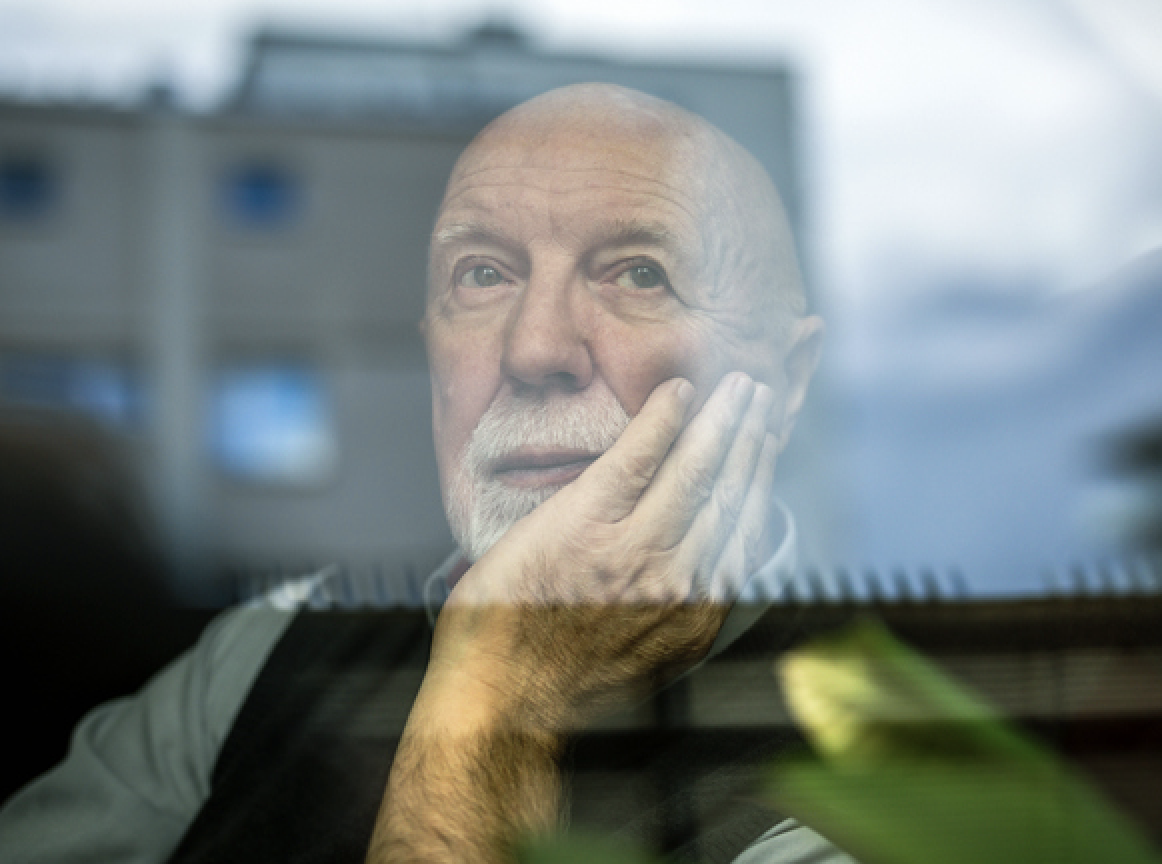
It may be the season to be jolly and festive, but for many, especially older adults, the holiday season can be a time of challenge and dismay, bringing up past sorrows and missed loved ones or underscoring a sense of loneliness, even “invisibility.” In fact, many may question not only the lack of social engagement in their lives but more fundamentally whether they matter to anyone else at this point. As one expert recently wrote in Psychology Today, “Loneliness is not just about lacking social contact- it is also about questioning, ‘Do I still matter to anyone?’” In essence, in a profound way, feeling lonely, especially at the holidays, raises the question of whether your life is of any value anymore.
New research from AARP underscores how prevalent this feeling of loneliness is among older adults in the US. According to this new survey, which polled adults aged 45 and older during August of 2025, 40% of respondents admitted to being lonely, which is up from 35% in 2010 and 2018. More men than women reported feeling lonely, and more men also admitted they lacked close friends. Those aged 45-59 reported more loneliness than those aged 60 and above. The survey also found that those with mental health challenges and those with diminished social networks were the most lonely, and barriers to creating valuable social connections included a lack of confidence and motivation, or a fear of rejection. Other reasons for loneliness included bereavement, health challenges, and geographic separation from loved ones. Broadly speaking, the survey found that loneliness seems to ease as one gets older, but can be deeply felt among certain sectors of the senior population: the older one gets, along with having more education and more wealth, the less lonely older adults appear to feel, compared to the “younger” seniors who are less wealthy and less educated and more afflicted with feelings of loneliness.
What are some ways to counter these feelings of loneliness and invisibility? A recent study in The Gerontologist found that maintaining friendships can be key. This particular study looked at older caregivers and older adults without children, and for both groups, strong friendships can be a valuable antidote to feelings of loneliness. Furthermore, those friendships don’t have to always be IRL (in real life): available technology, such as chats over the internet, can be as effective in fighting loneliness as in-person meet-ups. Taking technology one step further, a recent post in Forbes documented the growing use of AI companions and robots to create supportive and available “friendships” for older adults who are lonely or in need of someone to talk to. Recognising the negative health effects of loneliness and social isolation, including depression, anxiety, and cognitive decline, some long term care facilities, along with AI start-ups, are beginning to make “human-like” AI companions available, who can engage in ongoing conversations and elicit questions and stories from older adults looking for discussions on topics of interest. Many of these “companions” will then record snippets of conversation to relay back to formal caregivers or involved family members. Forbes describes this as a $43 billion market, and companies such as Meela and inTouch have subscriptions available for families to purchase for loved ones who feel lonely. There are obviously ethical concerns about privacy and emotional competency when it comes to older adults confiding in AI companions, and no one suggests these tech “friends” replace human interaction. But as a supplement to family connections or in situations of feeling isolated or alone, it may just be possible for these AI ‘friends’ to fill a need in the lives of older adults looking for stimulating conversation.
Of course, human connection is also key to addressing loneliness, and programs for that exist as well. For example, there is the program HappyTalks, which arranges social phone calls with real human conversation, filling a need for both families and older adults alike. In addition, AARP has an extensive list of programs and opportunities to create social connections throughout the US. And this holiday season- for those in your orbit who may be feeling alone or lonely, think about creating opportunities for their active involvement in your holiday festivities- whether it’s sharing in cooking a meal or attending a holiday concert- something that will engage and interest an older adult in a way that adds meaning- and underscores their value- in the social fabric of your community.