Subscribe


A Daily Dose: Will A Daily Multivitamin Slow Down Your Biological Aging?
March 18, 2026
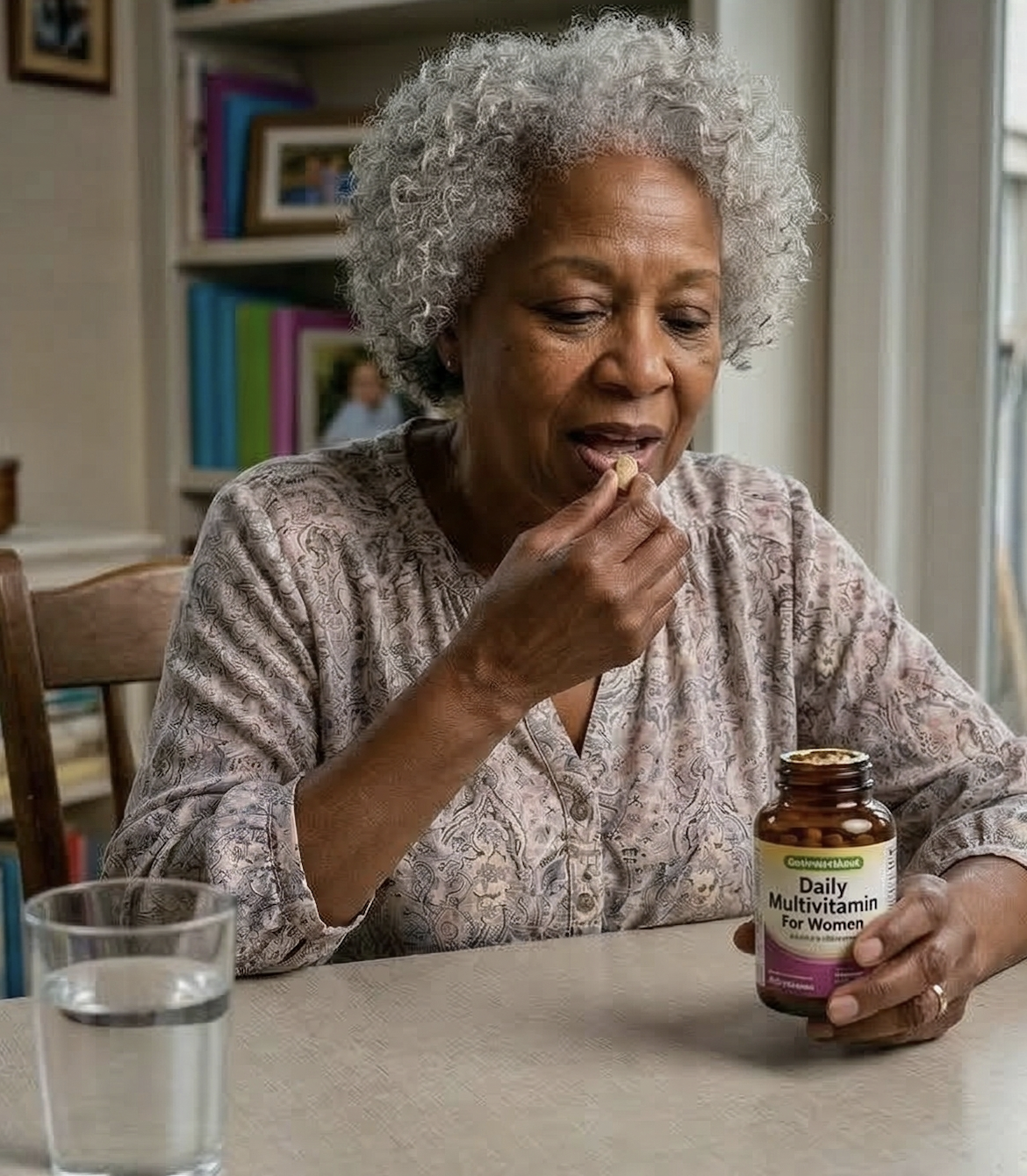
So what’s in your pill box? Do you take a host of medications, supplements, and vitamins every day? The data show that 70% of adults aged 65 and older take a multivitamin or other type of supplement regularly, and that more than $12 billion per year is spent on these nutritional supplements. It’s estimated that in the United States alone, more than 100,000 vitamin and dietary supplements are available for purchase. The question is whether they produce better health outcomes among those who take them. The evidence is mixed at best, but one new rigorous study suggests that a daily multivitamin might be useful, at least for certain older adults.
Published in Nature Medicine, this new study from Mass General Brigham in Boston examined the effect of daily multivitamin use (in this case, Centrum Silver) on biological aging in individuals with an average age of 70. The 958 healthy participants in this study were divided in a rigorous double-blind, placebo-controlled trial to determine whether the multivitamin (as well as a cocoa extract) showed any impact on biological aging. Blood samples were taken at 3 different times over the course of 2 years, and five different epigenetic clocks were used to assess the blood samples and gauge the effect of the multivitamins. The cocoa extract showed no impact at all, but for those taking the daily multivitamin, two of the epigenetic clocks (associated with mortality) showed improvement, representing about four months less of biological aging compared to those not taking the vitamins. This was a small but statistically significant result, and was more prominent in those participants who already appeared to be biologically aging more quickly.
Given the limited outcome data and the modest improvement in biological aging that resulted from this study, is it of value to the typical older adult? Should you start taking a multivitamin if you don’t take one already? Good questions to consider. As one expert exclaimed, “The public appetite for knowing whether everyday supplements can genuinely slow ageing is enormous. This study provides some of the most credible evidence we have to date.” Furthermore, given how many older adults already take a daily vitamin or supplement- and the amount of money spent on these additives- it behooves us all to learn as much as we can about the potential benefits of this health habit. This was a relatively small clinical trial, and more research needs to be done to better understand the impact of multivitamins in a larger, more heterogeneous population for a longer period of time. We also don’t know whether slowing down your biological aging for a few months will have any real impact on your health or the ultimate length of your life. However, as the lead researcher made clear, this is “a great first step.”
So if you don’t already take one, should you hop on the daily multivitamin bandwagon? This study’s lead researcher stated that there’s been no deleterious effect from a daily multivitamin identified to date, so there’s likely no negative effect on your health if you want to start taking a multivitamin. But could your money be better spent on fresh fruits or vegetables, or other healthy items for your meal planning? As one nutritionist commented on this study, “Multivitamins can help fill nutrient gaps, but they cannot replicate the complex matrix of nutrients, fiber, and bioactive compounds found in whole foods that support healthy aging.” Moreover, if you think taking a daily multivitamin will negate the impact of other bad habits you engage in, think again. So, bottom line on taking a multivitamin? It appears there’s little harm and possibly some benefit- but more evidence will be needed to demonstrate that multivitamins can slow down the aging process or improve your longevity.