Subscribe


Cover Your Bases: Older Adults Still Need Sunblock
May 27, 2026
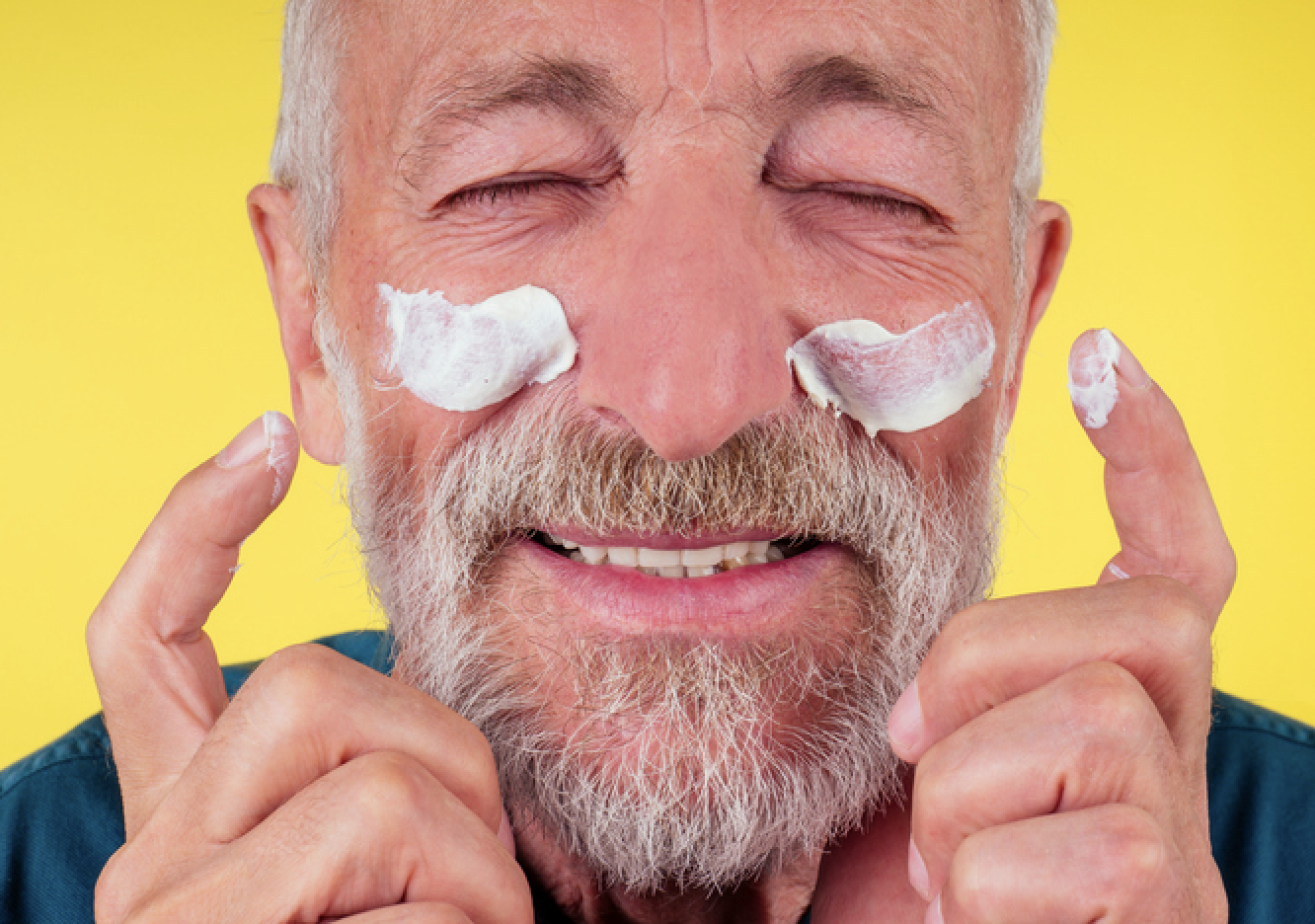
You may think that just because you’ve reached a certain age, you no longer need to worry about sunscreen or sun exposure. If you think that, you’d be wrong. Damage to the skin from UVA and UVB rays can happen anytime, anywhere, to anyone, even if you’re no longer concerned about how many wrinkles or sun spots are on your skin. Older skin has less fat and less water, meaning it’s thinner with less protection against UV rays. More than ever, you need a good sunscreen to avoid sunburn and prevent further damage that may lead to skin cancer. Those rays are the greatest cause of skin cancer, and even on a cloudy day, 80% of UV rays can get through cloud cover. While no sunscreen can protect you 100% (and in fact, sunscreen should be just one factor in your protection from harmful UV rays), wearing sunscreen becomes essential, whether you are outside for 20 minutes or 20 hours. It is estimated that damage from UV rays can occur in as little as 15 minutes without sunscreen, depending upon where you are, what you are wearing, what time of day it is, and what your skin color is (lighter skin can be more readily and quickly damaged, though people with darker skin can also be damaged from UV rays, including being stricken by skin cancer).
There are many aspects to sunscreen that doctors want you to understand when protecting yourself against UV rays. It’s not just a matter of marketing and popular brands. As you may know, there are 2 types of sunscreens- physical sunscreens, containing ingredients like zinc oxide or titanium oxide, that can physically block UV rays from being absorbed into the skin. They are effective as soon as you apply them. There are also chemical sunscreens that get absorbed into the skin and convert UV rays to heat to limit the damage they can cause to skin. Chemical sunscreens are more available, but you must wait 15-20 minutes after application before going into the sun. No matter which one you use, you should understand that the sunscreen can eventually wear off and should be reapplied, especially after swimming or sweating. As to whether your sunscreen bottle can expire? The FDA requires sunscreens to maintain their efficacy for 3 years. However, if you are correctly using your sunscreen, you will likely use up a bottle well before it expires. How much should you use? Experts recommend a shot-glass full for your body and a ¼ teaspoon for your face. For more on the proper use and application of sunscreen, roll up your sleeve and watch here.
Perhaps the most exciting recent news concerning sunscreen has to do with the FDA’s consideration of bemotrizinol (BEMT), a sunscreen ingredient that has been actively used in Europe since 1999, but rejected by the FDA for use in the U.S. due to safety concerns. However, according to the Environmental Working Group (EWG), this ingredient offers better protection against dangerous UVA rays than products currently on the market and has been demonstrated outside of the US to be safe and effective. There is hope that the FDA will now approve the use of this ingredient for American sunscreens sometime in 2026.
The EWG just issued its latest report, which is its most recent guide to sunscreens in the US. They estimate that only 20% of the more than 2000 sunscreen products on the market deliver both safe and effective protection against harmful UV rays. The report states that many sunscreens overstate their ability to protect from harmful UV rays, and furthermore, it suggests you focus on sunscreens that physically block the rays rather than allowing them to be absorbed. For more on this report and its recommended products, click here. And for the recently updated top 4 sunscreen recommendations from the New York Times Wirecutter, put on your wide-brimmed hat and read here.