Subscribe


Find Your Footing: Are You At Risk Of Falling At Home?
January 14, 2026
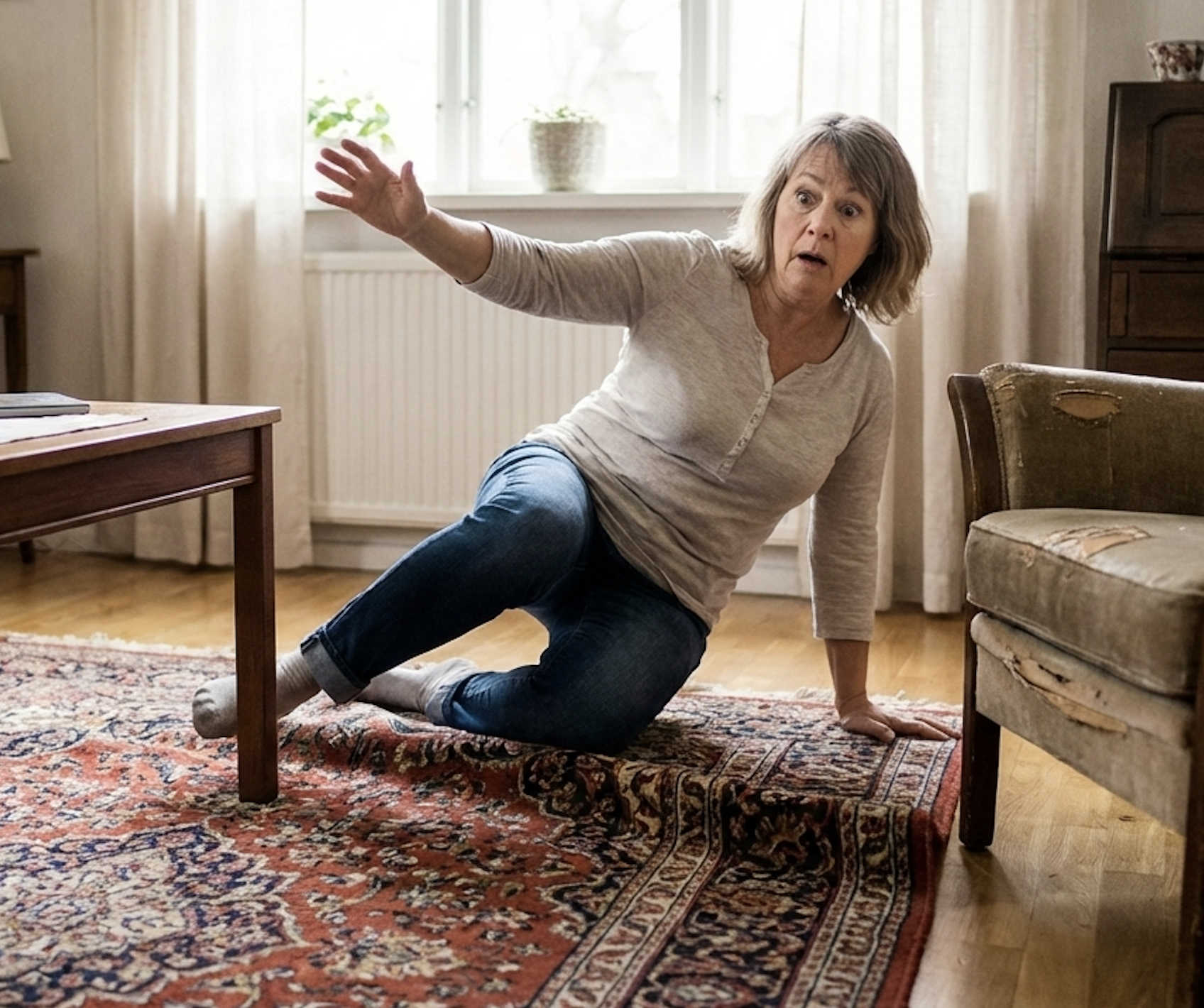
The new year is often the time to take stock of your living space, see what clutter you can cull, and make your space fresh and inviting. But for those of us with vision or balance problems, or maybe just the occasional klutzy foot, there’s another reason to clear those pathways and install those grab bars: Home is a frequent place of falling for older adults. And if your vision is not what it once was, you are at particular risk of falling in your home, as reported by new research in JAMA Ophthalmology. According to this new study, those with serious vision loss are 3-4 times more likely to fall at home if they also have such home risks as bumpy carpets, broken tiles, or missing grab bars. It appears vision problems and home hazards combined constitute a serious risk of falling and injury for older adults. So identifying and cleaning up the hazards in the home is an essential element of fall prevention. AARP recently updated its list of 11 important fall prevention tips to help you ensure your home is hazard-free and fall-prevention ready. Among their important tips? Increase your home lighting, especially around such high-risk areas as stairs and hallways; increase the height of your bed, which should be above the crease of your knees to ensure safe entering and exiting; install those grab bars, not only in your bathroom/shower/tub but wherever in the house you may be “furniture surfing” and in need of something to hold onto; raise your toilet seat; add bright tape to stair edges to highlight one step from another; and declutter and eliminate tripping hazards. For some recommendations for quality grab bars for your home, reach out and read here.
And these are not isolated concerns: According to data from Medicare of older adults living in the community and aging in place, close to 50% lacked a grab bar in the bathroom, and more than 50% lived with at least one fall hazard in their home. During the onset of the COVID pandemic, according to a study published by the Journal of the American Geriatrics Society, fall-related fatalities increased among older adults living at home. Before the pandemic, researchers found that there were approximately 2600 deaths/month connected to falls in the home; after the onset of COVID, that number rose to over 3000 deaths/month. Whether this resulted from increasing isolation at home or lack of access to care following a fall, it underscores the vulnerability of older adults to injury or even death as a result of a fall in their home. For more on this study, click here.
It’s recommended that every adult aged 65 and older undergo a yearly fall risk assessment to ensure everything is being done to limit and prevent a fall, both at home and outside. However, whether or not you undergo such an evaluation, it behooves you to keep up with vision and hearing assessments, regularly engage in strength training, and work on your balance as much as you can. There are many valuable free exercise resources you can use to build strength and stability, and keep you upright and balanced. For example, Yes2Next has a 9-minute balance workout aimed at shoring up your strength to prevent a nasty fall. The website Fit & Well has some easy-to-understand yoga and bodyweight exercises, including video demonstrations, to help you keep better control of your body and balance, and strengthen your core and lower limbs. Or check out the recent post on the website Women’s Health that can help your brain react faster to a potential fall and help your body with balance, posture, mobility, and gait.
And if you nonetheless feel wobbly and at risk of taking a tumble? There’s no shame, and much to be applauded, in recognising the value of help to lower your risk of falling. For some personal essays about learning to embrace and appreciate the use of a cane, keep your mind open and read here and here.