Subscribe


Gray Locks: New Insights About Hair Turning Gray
January 21, 2026
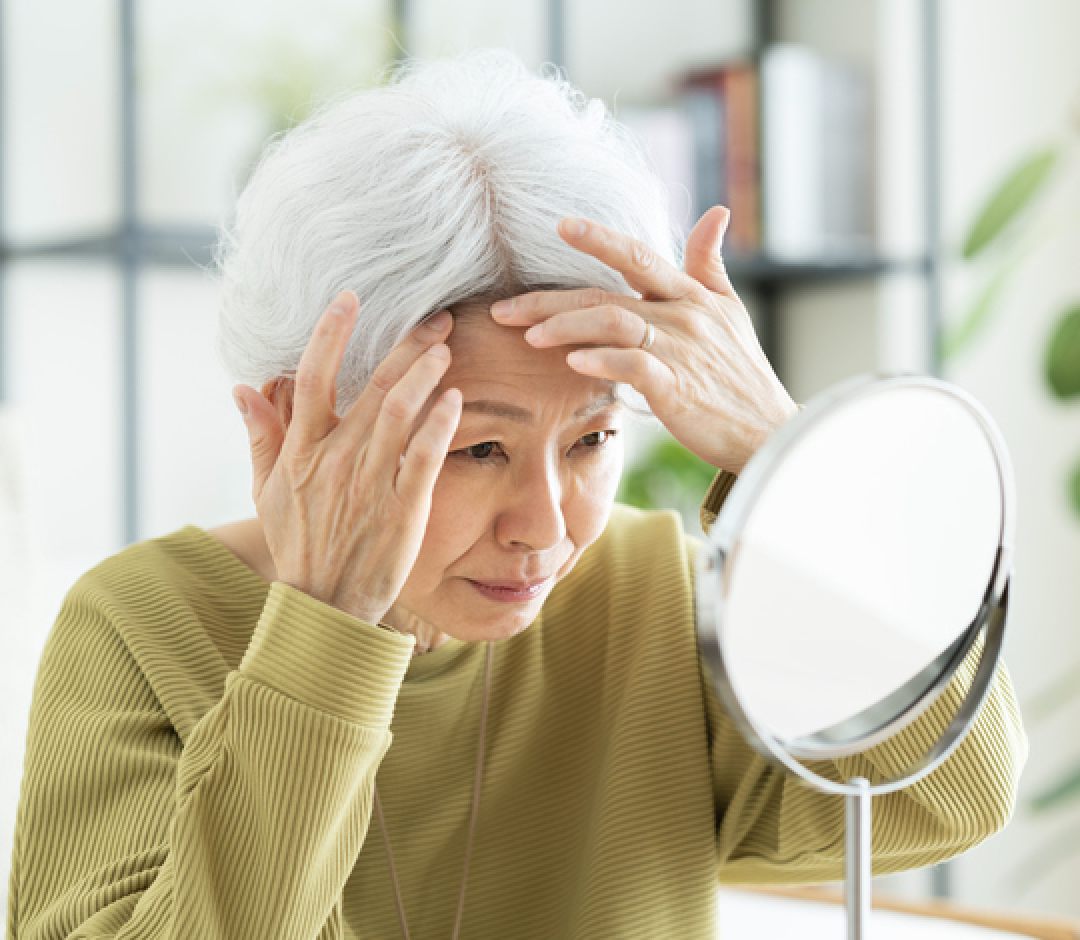
Let’s face it: Going gray is an indelible sign of aging. While that’s not inherently a bad thing, for many, signs of gray or even a full head of gray hair are the ultimate downer, and need to be rectified and covered up as soon and as often as possible. In the extreme, some feel, as writer P.G. Wodehouse once wrote: “There is only one cure for gray hair. It was invented by a Frenchman. It is called the guillotine.”
Yet, for most of us, gray hair is the result of our genetics (about which we have no choice), and we are likely to go gray around the same time as our parents did. 90% of us will probably go gray by the time we reach age 60. There does appear to be a trend of younger people becoming gray earlier than in previous times, and the arrival of gray hair can be somewhat of a dynamic process, influenced not only by genes but by stress, nutritional deficiencies, thyroid problems, or even the oxidative stress of smoking or alcohol use. In some cases, these causes may only result in temporary gray. It may also be that the appearance of gray hair is more noticeable among younger people because fewer are coloring their hair, and through social media, they are more open and honest about the arrival of gray strands.
But recent research suggests that there may, in fact, be a beneficial health reason why hair turns gray. We know that gray hair is the result of melanocyte stem cell activity in hair follicles that are responsible for hair color pigment. These stem cells renew themselves constantly, but then, either due to aging or some other process that damages the DNA in the cells, they may stop producing the pigment necessary to color each strand of hair, thus leaving the hair either white, silver, or gray. A new study published in Nature Cell Biology used mice to examine the relationship between these damaged melanocyte cells that produce gray hair and the development of cancer. It seems that the production of gray hair from these stem cells may, in fact, be a strategy to lower the risk of cancer, specifically melanoma. When these stem cells become damaged, they can either die off, leading to the stopping of pigment and thus gray hair, or the damage can lead them to replicate uncontrollably, thus leading to the formation of a tumor. When the stem cells die and result in gray hair, they prevent the damaged DNA from being passed on to new stem cells, thus lowering the potential for newer cells containing damaged DNA to result in tumors. While this result was only produced in mice and has yet to be reproduced in humans, it does suggest that there may be a positive reason your hair turns gray- as a protection against the development of cancer. Gray hair cannot prevent cancer, but it may result from your body lowering the potential risk. For more on this study, put aside L’Oreal and look here.
There are also some updates on the potential to reverse gray hair and bring back your original hair color. According to a recent article in BBC Science Focus, there have been unique cases reported of hair strands showing gray and then returning to their original color, and a recent study found that 17 different drugs for various diseases appear to result in “re-pigmentation” as a side effect of the medication. While these medications would not be prescribed for hair purposes, they do suggest that we may be closer than ever to determining strategies to re-pigment hair. Currently, there are no reliable or proven treatments or medications on the market to bring your hair back to its natural color, and supplements that are marketed for that purpose have no evidence to back them up. But stay tuned, as it appears that we may be on the precipice of hair color re-pigmentation in the years to come.