Subscribe


Final Costs: Can You Afford The End Of Your Life?
March 25, 2026
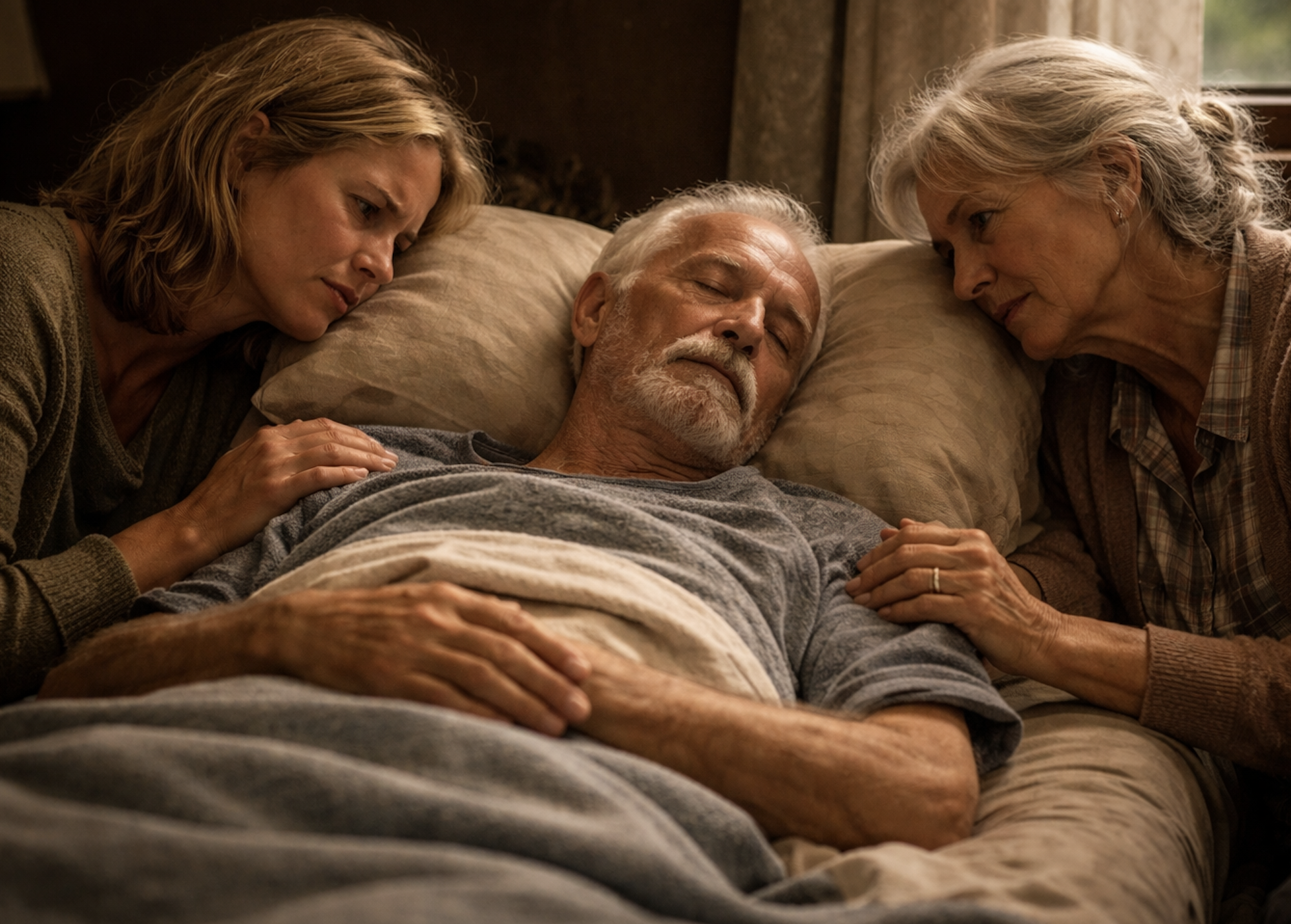
You think the cost-of-living these days is expensive? Just wait until you see the cost-of-dying! According to a recent article in The Washington Post, the dire reality of how expensive the last days of your life can be is not well known to most people. Yet it’s critically important when you or a loved one finds themselves facing their final days. The Post article includes the costs of long term care, funeral costs, and taxes (estate or inheritance), depending upon where you live. They came up with an average cost of dying in the US of over $195,000 (which includes private pay for a year of nursing home care and in-home help). These costs may seem excessive and unbelievable to you, especially as most people cannot (and do not) privately pay for institutional care, and often get by with free family caregiving in place of hiring help for a loved one dying at home. Yet, the message is clear: The end of life, regardless of where it happens, can generate enormous costs for an individual or involved family, and few of us are prepared to comfortably pay those costs, let alone plan in advance for their eventuality.
A recent article in USA Today makes this clear. Apparently, a sizable number of Americans are going into debt to cover the expenses at the very end of life for loved ones. Citing a recent poll from Debt.com of 1000 adults in October 2025, 37% of Americans report taking on debt (often credit card debt) after a loved one dies. 40% of respondents in this poll said they could not cover future funeral costs for a loved one without going into debt. When asked what they thought the average cost of a funeral is, 22% of respondents estimated a cost of less than $5000, and most thought it was less than $10,000. However, in many parts of the country, a “proper” funeral (with a service, burial, cemetery costs, transportation, etc.) can easily run between $15,000-$20,000. Another survey conducted by Choice Mutual found that only 39% of older adults had taken steps to prepare for the expenses associated with their death. While no one wants to contemplate the topic, avoiding it can place survivors in perilous financial shape at a time when they are also grieving the loss of a loved one. As the USA article states, “In their haste and grief, survivors may end up making rash decisions on funeral arrangements they cannot afford.”
A recent study discussed in The Conversation underscores this financial burden and stress on families and loved ones (and on the patient) as death approaches. According to this research, “Financial stress plays a huge and increasing role in who can afford a ‘good death.’” While the research focused on families at the end of life in Australia, the sentiments and stress are felt universally. A patchwork of public and private funding means everyone is left to navigate a complex financial system of care, at times leaving the focus more on finances than on quality end-of-life care. Patients in this Australian study expressed concern about the debts they would be leaving their family members, while family caregivers worried about the stressful costs of everything from parking at the hospital to missing work. In the United States, the situation is no better when it comes to end-of-life systems of care like hospice. In a recent Op-Ed in The New York Times, cardiologist Sandeep Jauhar described the juggling and cost burdens of caring for his father dying of Alzheimer’s at the end of life. Even though the family had several physician family members, and hospice was involved in their father’s home, they were ill-prepared for the gaps in care, and certainly unprepared for some of the expenses that the Medicare hospice benefit does not cover. Dr. Jauhar pointed out that, ironically, if his father had been in a hospital, much more of the costs of end-of-life care would have been covered.
It is possible to anticipate, plan for, and even strategize about some costs associated with the end of life, including funeral and burial costs. For example, the National Council on Aging has a planning guide for final expenses, which includes discussion of such strategies as pre-paid funeral plans, life insurance, final expense insurance, funeral trusts, and payable on death accounts. There are also options to consider, such as burial versus cremation (cremation is less expensive) and even direct cremation (which means no funeral service). There are many opportunities to save money or economize, especially if you are not also dealing with the immediacy of a death and the grief that can accompany that.
Finally, a new concept in funding and supporting end-of-life expenses has emerged, born out of the unfortunate financial stress experienced by the founder, Janet Turkula, when her father unexpectedly passed away. In the midst of making decisions about end-of-life care for her dad, she was also facing questions about how to pay for such services as designation of a funeral home, transportation of the deceased body, unpaid medical bills, and the like. She fell behind on her own bills and faced the prospect of having her car repossessed because of all the end-of-life/death expenses she couldn’t afford and hadn’t planned for. Out of that tragedy and financial calamity, she created GiveWillow, which is a registry for expenses related to the end of life. Similar to a baby or bridal registry, those creating registries on GiveWillow can designate gifts or financial support, instead of the usual flowers or casseroles. Whether it’s money toward funeral expenses or free legal advice about the inheritance, those mourning the loss of a loved one can directly express what would be most helpful at that time. The GiveWillow website also has resources and guides about all of the issues you may face as you navigate your new reality, after the death of a loved one. It feels like an idea whose time has definitely arrived, especially as so many of us live far apart from loved ones and most are comfortable “shopping” online. Find out more about this tech-savvy way to share the financial burden of death here.