Subscribe


Caring And Coping: An Interview with Caregiver Advocate Katrina Love Prescott
February 11, 2026
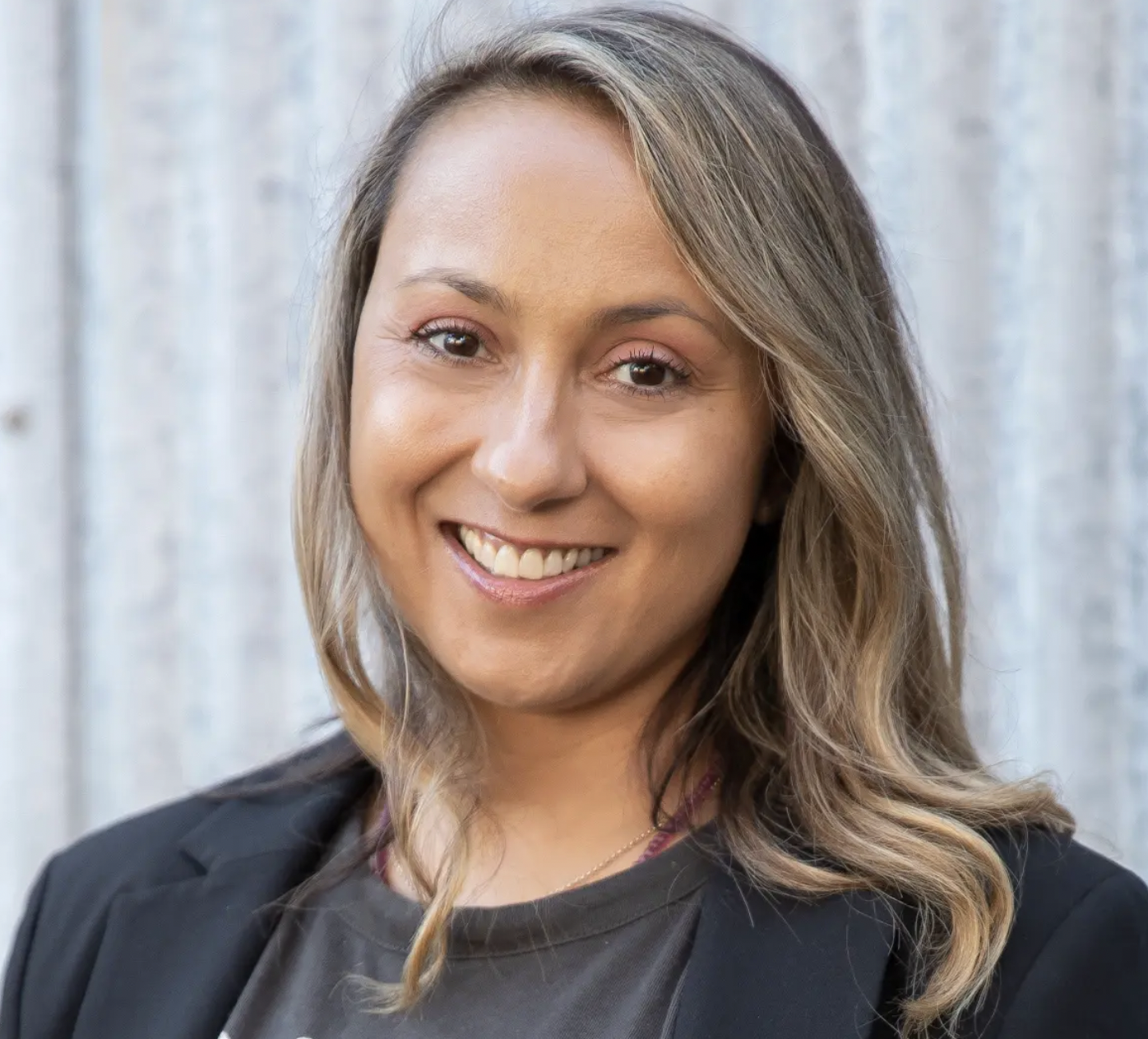
Before caregiving reshaped her life, Katrina Love Prescott was a producer, yoga teacher, and life coach. Her mom’s young-onset dementia diagnosis thrust her into a new role, revealing societal stigmas and healthcare gaps as she became her mother’s primary caregiver. Blending mindfulness, dementia care, and coaching, Katrina eased the stress of the situation and enriched her mother’s well-being. Katrina has gone on to create the “Things Not to Say to a Caregiver” web series (nearing 1M views), co-founded Care Nation Society, earned a Canadian National Caregiving Advocacy Award, and has shared her insights across a range of mainstream news outlets and social media. Recently, agebuzz Managing Editor Connie Zuckerman had the opportunity to speak with Katrina about her experiences as an Alzheimer’s caregiver and her career pivot into advocacy and coaching for those who have followed in her footsteps as caregivers for loved ones with Alzheimer’s. Below is an edited version of their conversation.
Connie Zuckerman (CZ): Katrina, can you give us a little background about yourself and your upbringing—where did you grow up, what was your family situation, where did you go to school, and what did you study?
Katrina Love Prescott (KLP): I grew up in Vancouver, BC, Canada, with my mom and her parents (my grandparents). We were a very close family, in proximity and in caring for each other. My mom, Kathryn Love, always allowed me to be myself. These are the gifts that have enriched and shaped my life.
I attempted college in Vancouver and a few years later in New York, but it didn’t grab me. I liked action, quick thinking, and doing things. NYC delivered all three. I became immersed in the high-pressure world of TV commercial production, an education unto itself, and it served me well: I had been a “no” person, and production whipped me into a “yes” person, quickly.
A handful of years later, I felt ready to move into being a contributor. A natural “helper” and passionate about health and wellness, before it was a catch phrase, I became a coach through the Institute for Integrative Nutrition. I started taking clients alongside my work in production. Eventually, I returned to Vancouver, continued production and coaching, and got really into yoga and completed teacher training. I am committed to personal development and continuously enhance my knowledge with courses on meditation, presence, and awareness. In my experience, one of the best ways of deepening one’s abilities as a coach is to be coached. I have 25 years of being a coachee under my belt.
CZ: What was your path before your life dramatically changed due to caregiving responsibilities?
KLP: My life dramatically changed a couple of times when caregiving was needed: First, when physicians determined my grandma needed palliative care, and second, when my Mom was diagnosed with dementia. My grandma lived for 6 months with palliative support. Of course, one doesn’t know it will be 6 months. I basically stopped working to be at her bedside daily because I didn’t know when she was going to die. What I could tell is that she didn’t want to be alone. It was a financial strain, and I had to juggle many things to keep my head above water. After she passed, I got back on track with coaching and production. About 3 years later, however, my Mom needed caregiving 24/7. This time, I couldn’t stop working as we needed the income. This experience demanded even more from me, as I not only had to care for my Mom but also provide for both of us. I had to be very creative in the ways and the whens of how the work got done. Mom liked to walk or be driven around, so we would do that while I took calls or sat in cafes or pulled over to write and respond to emails. I took smaller, more manageable jobs so I could do double duty. When Mom was sleeping, I was catching up on work. It was very challenging. Coaching had to sit on the back burner for a few years, which was hard for me as it’s the work I’m most connected to.
CZ: Can you explain what happened that led you down the path to becoming a family caregiver?
KLP: My caregiver role started when I was young, I now realize. When I look back, I can see all the things I did to help my grandpa, who had lost his vision and lived with emphysema, were things a caregiver does. I was a caregiver in training. He passed when I was in my early teens, and Mom, granny and I stuck together. My granny lived another 2 decades, and my mom was her sole caregiver for many of those years while I was working in NYC. I returned to Vancouver for the last 5 years of her life to support them both.
My close relationship with my grandparents shaped my perspective on aging and caregiving. They instilled values in me, such as respect for elders and to be of use whenever I can. And it was my mom who taught me to help those in need. I would give up my seat on the bus, carry bags, and hold doors for people, and most importantly, treat everyone as an equal.
My grandma passed early in 2013, and my mom, who had been… different… for a while, became deeply depressed after losing her mother. The signs of young-onset dementia came quickly and significantly. However, because I was unfamiliar with the disease and what it looked like, dementia wasn’t on my radar. Initially, I thought her symptoms were grief and vision loss. Receiving the diagnosis came as a shock. From 2015 on, my life was forever changed, and so was Mom’s.
CZ: Please describe what happened to your mother and what responsibilities you had as a result?
KLP: My mom started significantly changing. She was late for meeting up. Really late. She loved to read. She loved to drive. Both stopped. She had big blanks. For example, we went shopping and got her a lot of new clothes – she looked great and loved the experience. The next day, she had no recollection of it. She told me stories about things that I knew weren’t true. She often thought bad things were happening or were about to. It was challenging for her and devastating for me.
As I knew absolutely nothing about dementia, to say I wasn’t prepared for what was coming is an understatement. The responsibilities started with the basics: I moved Mom into my building so we could be close, cooked her breakfast, lunch, and dinner, provided companionship, entertainment, safety, and focused on creating activities that brought a sense of purpose, as she wanted to participate in life and be useful. Over time and events, the responsibilities shifted—from minimal needs to when she was not able to be on her own, to requiring 24-hour care for several years, and that continued into needing total care when she became nonverbal, nonmobile, and syringe-fed. The progression meant different phases had different responsibilities, or perhaps the same responsibilities, but the delivery was different. What I can say for sure is that I was responsible for this person’s well-being, and I took that responsibility seriously. It required constant learning and adjusting, and became a crash course in creative thinking and solution-finding.
CZ: Did you live with your mother during her decline? Did you have any help or support caring for her?
KLP: Yes, I mainly lived with my mom throughout her dementia journey. We were together pretty much all the time; she even came to work with me sometimes or was present when I was working. As a Canadian, I received some government help—starting with 6 hours a week, which I grouped into 3 x 2-hour breaks (I was already providing 24/7 care). Eventually, the support increased to 27 hours per week. One of my best friends helped me immensely. Eventually, we were able to get private help at times. It’s expensive, and it’s not easy to find excellent care providers.
CZ: How prepared were you to support your mother? Did you have any training? How did you learn to cope and take care of her?
KLP: I was an untrained and unpaid caregiver. I learned as I went, and often it was the hard way. I attended workshops at the beginning, but they were depressing and not helpful. I tried to get information, but it wasn’t easy to find, and because I needed help “now,” it was hard to anticipate what I would need before I needed it. Things changed frequently on a dime, and Mom had a new baseline every few weeks. It was hard to stay on top of it. I was sinking, and there wasn’t really any help. I realized I would have to be my own help, and I began to incorporate what I had learned as a coach and yoga teacher into caregiving, and it was a game-changer. It took time and trial and error. I kept with it, and things did shift; it did get a bit easier. A lot of it wasn’t ‘conventional,’ but when it worked, I added it to the toolbox. I was far from a perfect caregiver and came to understand that that may be impossible to achieve, but I was doing the best I could with what I had.
CZ: What were your biggest takeaways as the primary caregiver for your mother?
KLP: Mom and I loved each other, and we had a fraught relationship. Had I known what was coming, I likely wouldn’t have been a willing participant. I’m grateful I cared for her, as it enriched my life in many profound ways:
–There were so many immensely difficult moments and constant crises that I tried to control and couldn’t. I was often frazzled from the stress of it all. Loosening the grip is an excellent stress reducer.
–I found a coach who understood dementia. I used all of my personal coaching skills, tips, techniques, and hacks—all of it—so Mom and I could both make it through.
–I couldn’t change her, but I could certainly change myself and the choices I made in relation to her. I took the opportunity to learn how to be her caregiver, and eventually, life got easier for both of us.
–Navigating the health care system was more challenging than caring for her. It caused so much stress that it robbed us both of my good moods and, therefore, quality time together.
–There can be joy and even LAUGHS in circumstances that we imagine there will be none.
CZ: How did the experiences with your grandmother and your mother lead you to pivot careers? Can you describe your current professional work?
KLP: I often refer to myself as an “accidental advocate.” My assumption that the healthcare system would fully take care of us (I’m Canadian!) was incorrect, and that came as a shock to me. In reality, the healthcare system caused a massive amount of stress and worry. It took all my skills, talents, experience, and energy to get the system to work for us as best it could.
Others would catch wind of what was going right for us and ask me for help. I had the skills and experience to support them, and this brought forward the awareness that there was an opportunity to help other caregivers. I had been life coaching for some time, but coaching specifically for caregivers as a niche had never occurred to me. The goal is to prevent people from ‘finding out the hard way,’ whenever possible. I am grateful to be able to maintain my coaching practice alongside producing.
CZ: Tell us about your web series that addresses aspects of caregiving and how you decided to use humor to explain and teach about caregiving.
KLP: My experience of most caregiving content was that it was heavy, dramatic, and difficult to watch. Personally, I find humorous approaches to challenging content create better learning outcomes. It keeps audiences curious and engaged. And humour is also a great way to address sensitive subject matter.
During my mom’s life and after her death—including the day she died—people said things that upset me, I’m sure unintentionally, but still, it landed. If I had pointed out how painful their comments were (the “ouchy”), they too would have felt bad—and that would have required emotional labour from me to support them in feeling bad. But I was too tapped.
Our web series, “Things Not to Say to a Caregiver,” not only validates caregivers but also serves as a shareable tool that demonstrates what not to say to a caregiver and points out the possibilities of what to say instead—via the twist of a tease from a bluntly honest “Care-y Godmother.” Things Not to Say to a Caregiver now has over 1.25 million views online.
I’m very pleased to announce that Season 2 of “Things Not to Say to a Caregiver” is in the works for release this Summer 2026! Season 1 resonated deeply with audiences, validating those eye-roll moments while gently and comedically educating folks on how to better support the caregivers in their lives with a light heart and some laughs. We can’t wait to share the new season with you all—keep an eye on my website and socials for updates.
CZ: You also do life coaching and caregiving coaching. Tell us about the kinds of issues clients bring to you and how you go about supporting them through the issues they are facing.
KLP: Clients come to me with diverse issues, and more often than not, they involve a transition—one (or more) that has either happened, is happening, or is on the horizon. They’re experiencing things like career changes, relationship dynamics (at work, home, or beyond), personal health shifts, navigating the complexities of being a caregiver, and even needing to receive care themselves. Transitions can feel scary as they often come with unknowns attached, and not knowing what to do causes fear, and then the fear becomes stress. My work helps to contain the anxieties and, from there, identify options. Stress usually feels like it’s a this or a that, a yes or a no; however, there is always, at least, a third option. When stress causes blurred vision, I create clarity. Often, clients who come to me for caregiving support also migrate into life coaching and vice versa. Life can be hard. I’m here to make it easier.
CZ: A few practical questions: Do you work with clients remotely or only in person? What do you charge for your consultations? What types of issues can you help with? How would someone contact you to learn more about your work and services?
KLP: I work remotely or in person—flexible with video, phone, or texting to fit unpredictable schedules.
Consultations are $150 per hour, or a package of four for $125 each ($500 total plus applicable taxes).
Coaching for life: I help with a multitude of life transitions, major decisions, crisis management, feeling stuck, health & wellness, setting intentions and following through, self-acceptance and worth, self-acknowledgement, letting go, and more.
Coaching for caregivers: I help with all types of issues, life and its transitions, including the final transition when the person you are caring for passes away, advocacy, practical tools, tips and hacks, emotional support, interpersonal dynamics, healthcare navigation, and creative problem-solving, and more.
Contact me via my website: katrinaloveprescott.com.
CZ: Final words of wisdom or advice for anyone going through the challenge of being a family caregiver?
KLP: Letting go of attachment to outcomes is key—it’s hard, but even slightly doing so makes the path less rocky. Learning not to take things personally is a big help for getting through difficult moments. Using the breath to stay present is another powerful tool—awareness itself is half of the work to being a good caregiver.
Because caregivers are a caregiver’s best resource, Katrina can help fellow caregivers. Find out more about Katrina and the services she offers on her website: https://www.katrinaloveprescott.com.