
By Kathleen Rehl, Ph.D., CFP®, CeFT® Emeritus
My husband and I recently moved to Oak Hammock at the University of Florida. This is a continuing care retirement community (CCRC) in Gainesville, Florida, where we are in an independent living apartment.
Look at the image accompanying this article. That’s how I imagine myself as a soon-to-be 79-year-old sailing through the air on a trapeze. I never expected my late-70s act to involve acrobatics, but here we are. It captures how this major life transition feels to me now. I’ve let go of my previous life, but I haven’t quite grabbed the new bar yet. I’m somewhere in between, suspended between the familiar and the not-yet. It’s exhilarating, a little scary, and surprisingly joyful.
In my prior agebuzz pieces, I wrote a poem about being on a CCRC waiting list, shared a practical checklist for choosing the right community, and then described the transition from planning to packing as we prepared to move. What follows describes life in our CCRC. While many communities share common features, others around the country will differ in size, services, and culture. My story now continues from here with the first weeks of living in the community we selected.
As I write my article, I’ve been living in our CCRC for a month. I arrived before my husband, Charlie, who needed to remain at our summer New York residence a bit longer. He got here last week, so I had a head start on turning our apartment into a home—which may explain why there are already more throw pillows than any sensible person strictly needs.
Those first two weeks were a whirlwind of logistics: changing addresses, applying for a new driver’s license, updating records with financial firms and other organizations, and notifying what felt like a small army of institutions that I now live somewhere new. Sometimes I joked that my full-time job was “Chief Form Filler-Outer.” If there were academic credit for paperwork, I’d be working on a second doctorate.
Nesting in Midair
Between the paperwork, I dove into what I now call “transition nesting.”
I carefully rearranged some of the furniture that had been placed randomly during our quick summer move-in. I ordered a few items online—a small area rug, a small bench to hold shoes by the front door, and a kitchen spice rack I’ve wanted for years. Of course, I shared pictures with Charlie virtually during the selection process. None of this was urgent, but it helped me make this space feel like ours.
From early morning until late at night, I spent time arranging artwork, deciding where each chair should go, and organizing our office efficiently. It felt a bit like working on a jigsaw puzzle: shifting pieces around until they finally click into place and I can exhale and say, “Yes, this feels right.” I may have spent more time debating lamp placement than some people spend buying a car, but it worked.
Meeting the Neighbors
At the same time, I was enveloped by the community around me.
Residents reached out almost immediately, inviting me to lunches, dinners, and musical concerts at our CCRC and at others in town. Several women took me under their wing. They’re bright, curious, and widely traveled, with fascinating past careers and rich life experiences. Our conversations ranged from sharing stories about how they came to Oak Hammock, to community activities, to world affairs, to grandchildren, to where to find a great hair salon, and which dessert is really worth the calories in the dining room. Listening to their backgrounds, I sometimes feel as if my own resume should come with a “work in progress” label.
I often hear the phrase, “If there’s anything I can do to help you, just let me know.” I’m amazed that so many fascinating lives have come together in this one place. It’s like being part of a friendly, ongoing seminar.
Long-term research, such as the Harvard Study of Adult Development, has found that the strength of our close relationships is one of the best predictors of long-term health and happiness, even more than wealth or fame. I plan to develop many new relationships here in my CCRC—not just because the research says so, but because it’s already becoming one of the joys of this move.
Discovering the Support
Then there’s the staff and all the built-in support. I’m still a little giddy about it.
One day, I was struggling with my computer equipment and failing badly. Instead of wasting half a day muttering at cables and instruction manuals, I called the IT/maintenance department. A technician arrived soon after, cheerfully fixed everything, and had me online quickly. I keep thinking, “Why did I ever try to be my own tech support?” My pride is slightly bruised; my sanity is not.
Housekeeping service is another gift. I’ve always resented dusting—spending time making surfaces perfect, only to do it again not long afterwards. Now someone else dusts the furniture and does much more for me, so I can use that energy on things that really matter to me. I do not miss the dust bunnies one bit; I doubt they miss me either.
Preparing three meals a day is another area where I’ve happily let go. If I choose to, I can eat a delicious, healthy meal in the dining room instead of spending an hour cooking dinner that disappears in five minutes, followed by a stack of dishes to wash. This also saves the time and effort of driving to the grocery store so often. These days, I mainly focus on baking cookies or yummy breakfast breads for Charlie and me. I enjoy making desserts to share with friends who visit our unit. As retirement vices go, homemade double chocolate brownies feel fairly harmless.
Letting others handle some of the routine work of daily living is a big part of this trapeze moment. My hands are freer—for relationships, learning, writing, and simply breathing.
Caring for My Healthspan
Another surprise delight has been how much easier it is to take care of my health here.
The CCRC fitness center is only a three-minute walk down the hall and a flight down from our apartment, saving me the half hour I used to spend driving to the local gym where I worked out up north. After trying various classes here, I now stick to a routine of an hour or more at the fitness center and/or walking the grounds. Gentle strength training and yoga leave my muscles pleasantly tired rather than painfully sore, and balance exercises feel like an investment in my future stability. I can’t hold a 2-minute plank in my Pilates class just yet, but I’m working on it. I’ve decided that collapsing gracefully is also a skill. There are plenty of exercise machines as well. I don’t need to be an athlete. I just need to show up.
In one recent class, we did an exercise that reminded me of playing dodgeball as a kid—kicking a soft ball back and forth across the room. We were laughing so hard we had to pause and catch our breath. Nobody worried about looking graceful or “doing it right.” We just moved, played, and enjoyed being together in our aging bodies. The laughter felt as therapeutic as the workout.
I also enjoy walking the paths, gardens, and woodland trails on the property’s certified wildlife habitat, where I’ve seen deer and other forest animals. I take the stairs instead of the elevators. Yes, I’m following all the research that emphasizes the importance of staying active as we age, including the CDC’s guidance on physical activity for older adults.
The CCRC’s health pavilion side offers coordinated medical services, which is a big relief. I’m in the process of settling in with new medical providers. Having help with referrals, record transfers, and appointments makes my transition feel manageable instead of overwhelming. Here, geriatric primary care and higher levels of support (assisted living, skilled nursing, and memory care) are all available as needed. That gives me a sense of security, which is hard to put a price on.
Learning About the Town
Because I’m new to this city and community, I face a second layer of adjustment: learning my way around town. Gradually, I’m discovering where everything is—the grocery stores, cultural centers, pharmacies, interesting local shops, and the best routes to various appointments. GPS helps, of course, but so do the informal recommendations from longtime residents who say things like, “Skip that intersection at 5 p.m.” or “This is the shortcut the locals use.” GPS and I are becoming close friends, even if it occasionally scolds me for “recalculating.”
I’ve also used CCRC-provided transportation for rides to the nearby airport and offsite evening concerts—avoiding problems of night driving and finding parking.
Some days it feels like the world’s most practical geography lesson, one errand at a time.
Saying Yes (But Not to Everything)
As I was moving in, several folks warned me, “Don’t sign up for everything the first month.” I understand why now—there’s so much to do. My inner overachiever perked up immediately; my wiser self is trying to keep her on a short leash.
Alongside all of this, I’m still very much in my “ReFirement” phase—actively writing and speaking about widows and money and teaching virtually for The American College of Financial Services. I don’t imagine ever fully retiring so much as reshaping how, when, and where I do fulfilling work I love.
I joined the resident newsletter committee and wrote an article for that monthly publication. My first story was accepted and will be published soon. I’m also a new member of the charitable giving committee, where I’ll encourage legacy and planned gifts in support of Oak Hammock’s mission.
I joined a singing group, too. Auditions weren’t required—mercifully—and they welcomed me even though my voice was rusty after about eight months away from a church choir. We’re working on a winter concert, with songs including Frosty the Snowman and Over the River and Through the Woods—pieces I probably haven’t sung since fourth grade! Rehearsals leave me smiling all the way back to my apartment, even on days when I’m not entirely sure I hit all the right notes.
For now, I’m holding off on more new commitments. Still, I’m eyeing some future opportunities: art classes in the new year and various courses through the Institute for Learning in Retirement. A short-story discussion group and a history course are already on my radar for the first term of 2026. As an INELDA-trained end-of-life doula, I also hope to explore volunteer opportunities in that role—either within our community or in the wider town.
If I’m not careful, I might end up doing a learning activity or volunteer work every day. The trick, I’m told, is to pick a few things that nourish my spirit rather than trying to do everything all at once.
Letting Go . . . Again
One piece of advice I heard repeatedly before the move was, “Downsize your stuff—and then cut that in half again.” I did donate and discard a lot before we arrived, sending a trunk load and more to a local nonprofit thrift store.
And yet, now that I’m truly living here, I have let go of even more.
I didn’t want to fill a storage unit with things I’ll never use or items that my kids don’t want either. (Apparently, no one is fighting over my extra ceramic casserole dishes.) So I’m continuing to pare down—this time to a nearby nonprofit thrift shop. For example, since we dine more often in the community dining room, I need fewer pots and pans. My kitchen no longer has to be stocked for entertaining a crowd. Guests have started joining us for dessert at our place after we eat the main meal in the community dining room. It’s much easier for everyone.
Each item I let go of makes this new life feel a little lighter. I’m discovering that downsizing isn’t a one-time event; it’s an ongoing process of asking, “Does this fit the life I’m living now?”
Still in the Air
So here I am, a few weeks into CCRC life:
I haven’t fully grabbed the new bar yet—but I can see it, and I’m reaching.
For anyone thinking about making a move like this, remember you don’t need to have everything figured out right away. There will be a period when you’re in transition—no longer living your old life but not yet settled into your new one. It might feel uncertain, but it can also be filled with discovery, support, and unexpected joy.
In time, I suspect I’ll look back and realize that this trapeze moment—this first month of living between letting go and landing—was where much of the growth and gratitude began.
Stay tuned. I’ll share an update with you after I’ve lived here for several months.
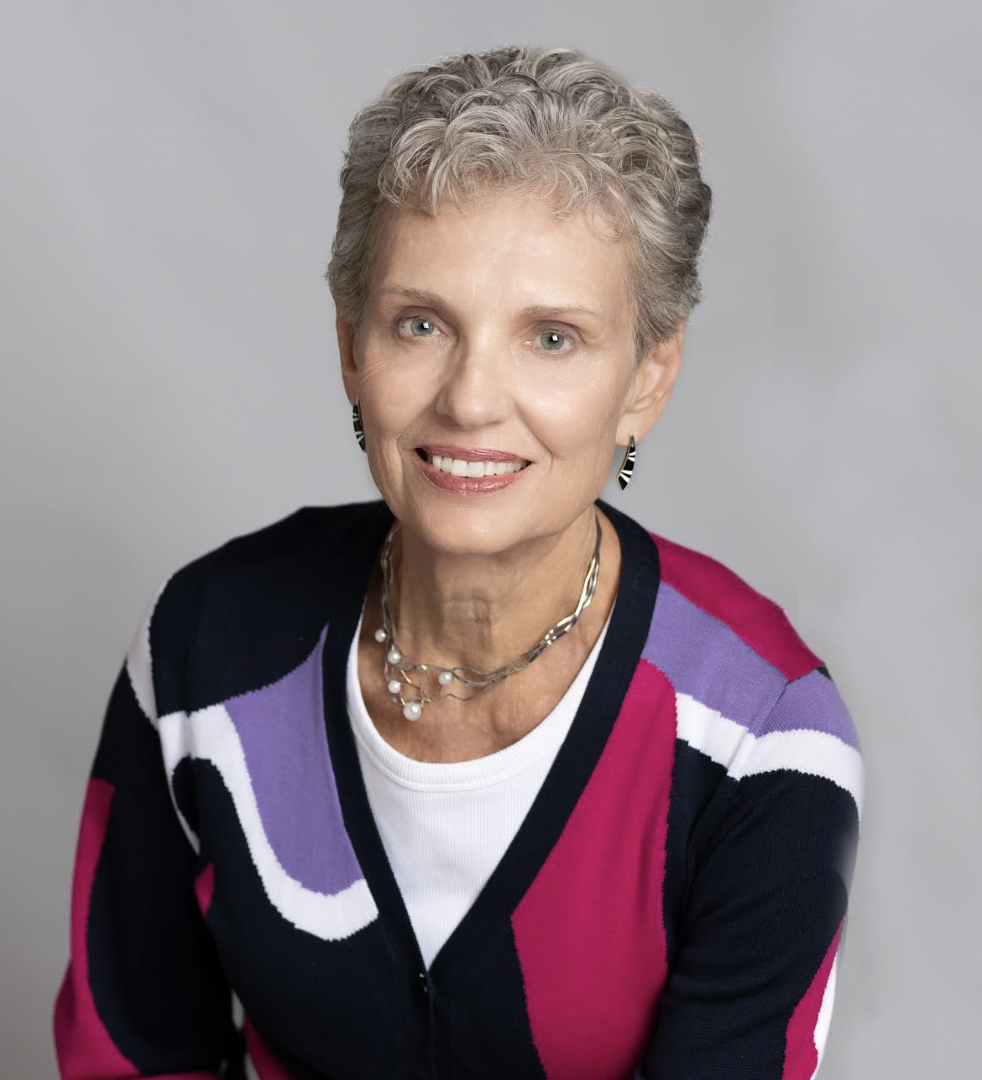
Kathleen M. Rehl, Ph.D., CFP®, CeFT® Emeritus, authored the award-winning book Moving Forward on Your Own: A Financial Guidebook for Widows. She is the recipient of the 2025 Excellence in Research Award for Adjunct Faculty from The American College for Financial Services. Kathleen owned Rehl Financial Advisors for nearly two decades before launching her encore career—empowering widows through her writing, speaking, research, and mentoring. Now “reFired,” Kathleen continues to do work she finds fulfilling. Her writing has appeared in The New York Times, The Wall Street Journal, agebuzz, CNBC, Nerd’s Eye View, Rethinking65, and other notable publications. She is also an INELDA-trained end-of-life doula. Free resources are available at https://www.KathleenRehl.com.




Sign up for agebuzz’s free weekly newsletter sent every Thursday
 Subscribe