By Claire C. Hall
Three rings meant “come home.”
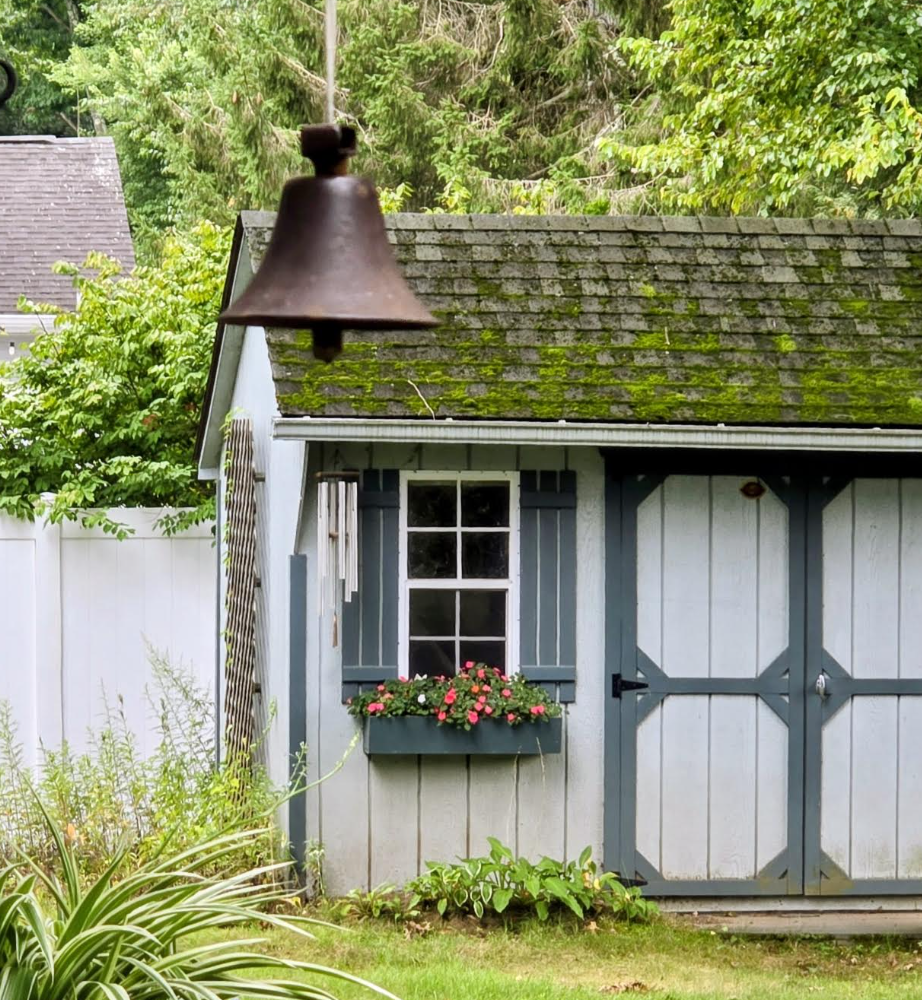
When my sisters and I were children, a weathered bell hung beside the back steps of our family home. We roamed the woods for hours, following paths through the trees and exploring the limits of our territory. My mother did not need a telephone or a carefully arranged schedule to find the Lamothe girls. She rang the bell three times, and its deep, clangy call traveled through the trees.
Wherever we were, we knew what it meant. Come home.
Decades later, I found that bell in a box. By then, I was no longer the little girl being called from the woods. I was a mother and grandmother, and my own children had explored the woods and stream behind our home. The bell had become more than an old family object. It linked the child I once was with the woman I am now. It took me back to my mother, my sisters, and a childhood world I could still hear but could no longer enter.
It also left me with questions. Where had the bell come from? Who first decided that three rings would call us home? Did my mother know we would still be talking about it so many years later? I had never thought to ask. By the time I understood that the bell held a family story, many of the answers were gone.
The Name My Mother Gave Me
In my mother’s last years, Parkinson’s disease and dementia changed how we talked. When I visited, I often stood quietly in her doorway until she noticed me. Sometimes I waited as long as five minutes. I did not want to startle her, but mostly I wanted to take in the moment when recognition arrived. Her bright blue eyes would widen, a smile would spread across her face, and she would say, “There’s my Memory Girl!”
I came with photographs, familiar stories, and questions about our people and places. I would hold up a picture and ask, “Who is in this photo, Mom? Do you remember where it was taken?” Sometimes she answered immediately. Sometimes one small detail led us somewhere unexpected. Sometimes the photograph simply gave us a place to begin.
Those visits taught me that remembering did not have to be a test with a correct answer. A memory could create an opening. It could return a name, invite a smile, restore a familiar role, or help us recognize one another in a different way. When everyday conversation became difficult, stories gave us another language.
At first, I thought Memory Girl was simply my mother’s affectionate nickname for me. Only later did I understand that she had named something larger. She was pointing me toward the work I would eventually do.
After I retired from education and nonprofit work, I wrote On Memory Pond: Where Memories Unlock a World of Connections. The book grew out of my time with my mother. But writing it took me further. It made me wonder: What if memories are not just records of the past? What if they help us know ourselves better, build stronger relationships, and shape the way we live now and in the future?
That question sparked Memory Loopers, a community and monthly printed newsletter for adults who want to explore their memories with purpose. I chose an analog newsletter deliberately. Readers can hold it, write in it, place it beside a favorite chair, return to it, or share it with someone they love. Each issue includes personal stories, accessible research, reflection prompts, humor, and practical ideas for turning memories into connections.
It also led to my Living Forward With Memory Foundations Course, which gives people additional ways to examine the stories they carry and consider what those memories can teach them about the life they still want to create. This is not nostalgia for nostalgia’s sake. Remembering can be active work—sometimes tender, sometimes funny, and often surprisingly useful.
When Our Objects Become Assignments
Experts often encourage adults to downsize and declutter. They offer advice that sounds simple: Keep only what you need. Donate what you do not. Stop making your children deal with all that stuff.
There is wisdom in letting go. Few of us need every dish, chair, souvenir, or box we have accumulated. But an object and its story are not the same thing. We can release an object without automatically erasing what it meant.
The bell helped me understand that distinction. Its value was never monetary. Its importance came from the echo in the woods, the mother by the back steps, the four sisters who knew the signal, and the family language contained in three rings. Without that story, it was simply a heavy old bell. With the story, it became part of who we were.
Before giving away a meaningful object, pause long enough to remember its human history. Take a clear photograph. Write down who owned it and how it was used. Describe one scene connected with it. Include the funny or flawed detail; that is often what another person will remember. Ask a sibling, friend, or older relative what they recall. Their version might fill in a gap—or show that the family has been kindly arguing about the story for years.
Then make the decision. Perhaps the object stays. Perhaps it goes to someone who genuinely wants it. Perhaps it is donated. Once its story has been captured, letting go may feel less like losing part of the family and more like choosing the form the memory will take next. Understanding the stories behind our belongings can become an important step in deciding what we preserve and what we release.
The Wisdom We Are Still Carrying
People over 65 carry a wealth of experience, knowledge, humor, resilience, and hard-earned wisdom. Many want to share what they have learned but are not sure how to begin. The invitation “Tell me your life story” can feel as welcoming as receiving a term paper assignment. A photograph, recipe card, song, piece of jewelry, household tool, or old bell offers a gentler start.
Instead of asking, “What was your childhood like?” we can ask, “Who used this?” “Where did it sit?” “What happened the day someone took this photograph?” “Why did your family keep this?” Specific questions invite stories. Stories invite connection. Connection allows wisdom to flow between generations without making anyone feel that a lecture has begun.
One Object One Story
What objects in your life carry a story?
Choose one object in your home—not the most valuable object, but one that makes you stop. Photograph it. Write down what you know. Ask someone else what they remember. Let the story wander long enough to surprise you.
You may decide to keep the object. You may decide that the photograph and story are enough. Either choice can honor the memory.
The bell once called the Lamothe girls home. Now its story calls another generation back to the people and experiences that helped make us who we are.
My mother called me her Memory Girl long before I understood what she was asking me to carry. I understand better now. The work is not to hold on to everything. It is to notice what matters, ask the questions that can still be answered, and share the stories before their meaning fades away.
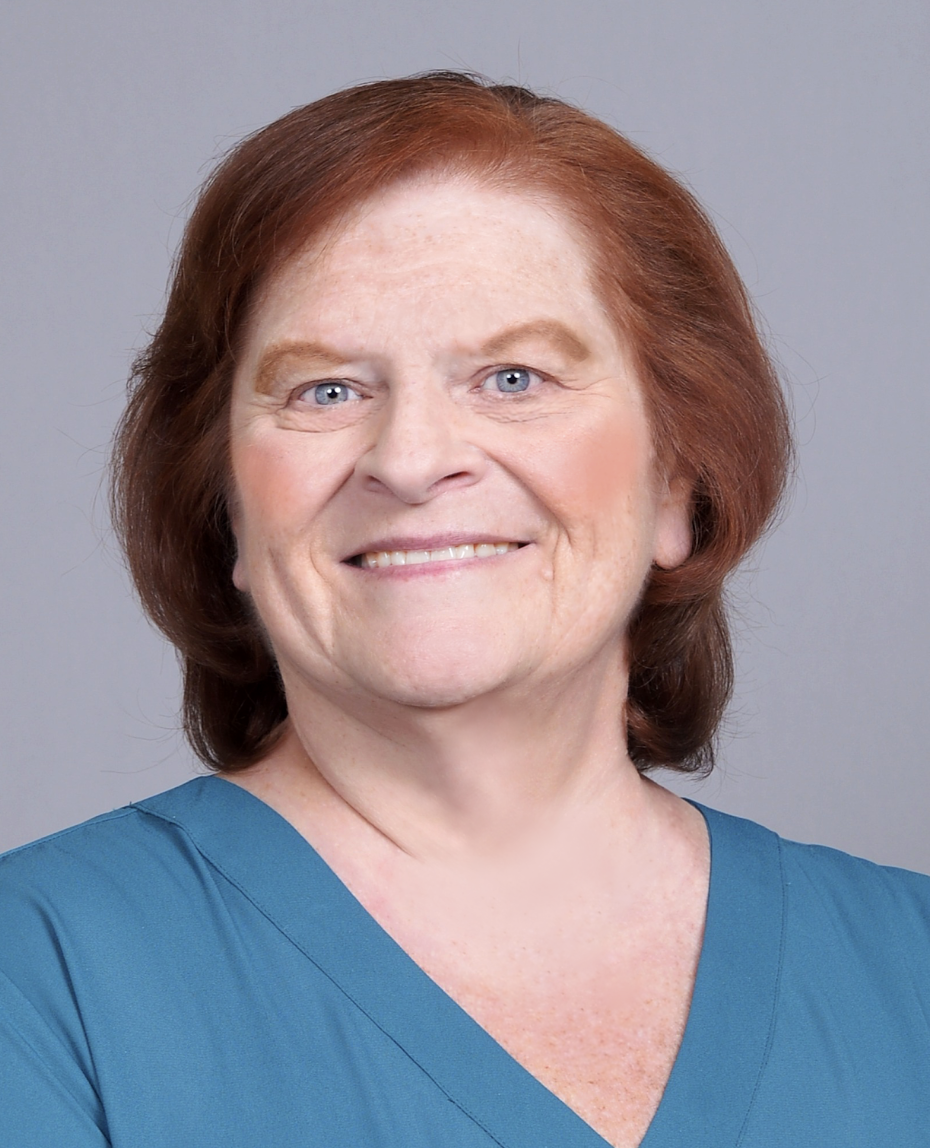
Claire C. Hall is a retired educator and nonprofit executive, the author of On Memory Pond: Where Memories Unlock a World of Connections, and the creator of the Memory Loopers newsletter and community. Her mother, who lived with Parkinson’s disease and dementia, called Claire her “Memory Girl”—a name that helped inspire Claire’s writing about memory, identity, connection, and living forward. Through CCH Consulting, Claire also provides ghostwriting and storytelling support for business and nonprofit leaders who want to communicate their experiences and ideas. Claire is a lifelong learner and storyteller who lives in Longmeadow, Massachusetts. She writes at clairechall.com, and you can find information about her professional services at cchallconsulting.org.




Sign up for agebuzz’s free weekly newsletter sent every Thursday
 Subscribe