
By Myrna Marofsky
If you are a care partner living alongside a loved one with a life-changing diagnosis, this blog is for you. I lived that story believing that despite all the changes involved in my husband’s dementia diagnosis, there was still space for me to live a meaningful and rewarding life. That’s the mindset I call CareLiving, with the emphasis on living. I write this in hopes that you will be kind to yourself as you do one of the hardest jobs you will ever have.
Gazing out the window on a two-day luxury train trip I recently took with my sister through the magnificent Canadian Rockies, I kept finding my mind hijacked by the crazy idea I’d had years earlier that this would be the trip Larry and I would take to celebrate our fiftieth anniversary. It was an experience we had always dreamed of sharing.
At that time, Larry’s dementia had progressed to the point that he needed constant attention, not to mention dealing with mobility issues. But I wanted to celebrate big, and the train salespeople, offering an early-bird deal, said, “No problem, we accommodate people with dementia all the time.” I was days away from giving my credit card to book the trip when a few questions from my therapist made me ask myself, “What the hell are you thinking?” Her questions were simple: Are you up for this? Followed by: What about you? Would this really be a celebration?
Yes, what was I thinking?
Lost in thought as the mountains slipped by, I pictured the nightmarish things that could have happened if Larry and I had boarded that train. I can’t count the times I turned to my sister and said, “I would not have lived through it.”
I wasn’t thinking about myself and the overwhelming job I would be taking on.
The term “caregiving” implies acts of giving, outward actions that put the focus on the person you are attending to. Giving all the time becomes an increasingly heavy lift. Once I started asking, “What about me?” I became part of the focus, too. I adopted the mindset of CareLiving, which meant making choices for both of us. I did everything I could to care for my beloved husband, but I also worked to preserve my identity. While it sounds bold, I wanted to be alive in the end. We all know of care partners who become ill or die after caregiving, especially older adults. Exhaustion, depression, isolation, physical injury, and constant stress take a toll.
Your life permanently changes when your loved one gets a dementia diagnosis. Unless you keep asking “What about me?” you will surrender to the disease too.
It isn’t caring that puts us in danger. It’s caring with no room left for ourselves. That space is exactly what asking, “What about me?” creates. Only the care partner can ask and answer that question.
You won’t hear any neurologist (at least I didn’t) say words that acknowledge that you have a diagnosis, too, and ask what you might need. And with good intentions, people around you will leave you with, “Take care of yourself.” Maybe I was too sensitive, but when I heard this (and I did over and over), it made me want to reply sarcastically, “What do you think I’m trying to do?” But I didn’t.
Staying true to yourself involves intentional choices, some of them made with only unknowns in front of you. I will talk about decisions in a later blog post, but in short, CareLiving decisions include considerations for them and for you.
What saddens me is realizing that so many of us need permission. When I’m out speaking about my book, To the Last Dance, A Partner’s Story of Living and Loving Through Dementia, I casually say, “You have permission to ask for what you need, too.” To my surprise, there is often a gasp from the audience, and many times someone, usually a woman, comes up and thanks me for giving her permission.
As care partners, we need to do the things that make us feel whole and fill the places where we are depleted, even if we can only find a short time in our busy days. That makes us better care partners. For me, that meant keeping my few hours of work, meeting my movie friends, getting a massage, or just taking a walk to clear my head, all without guilt. Asking “What about me?” isn’t selfish; it’s self-preservation. So, consider this your permission. Choose one thing this week that fills you up and do it without apology.
Oh, Larry and I did celebrate our fiftieth anniversary in a big way, the best way. Our family revisited a favorite trip to San Diego. My daughters made blue hoodies printed with “Larry and Myrna’s 50th Anniversary,” and everyone, including my blue-haired teenage grandson, wore them all over San Diego. They had a practical purpose too. Everyone could keep track of Larry. The pace was slow, the ocean relaxing, and the love was abundant. Once I went back to what Larry and I really wanted and asked, “What about me?” the answer was clear.
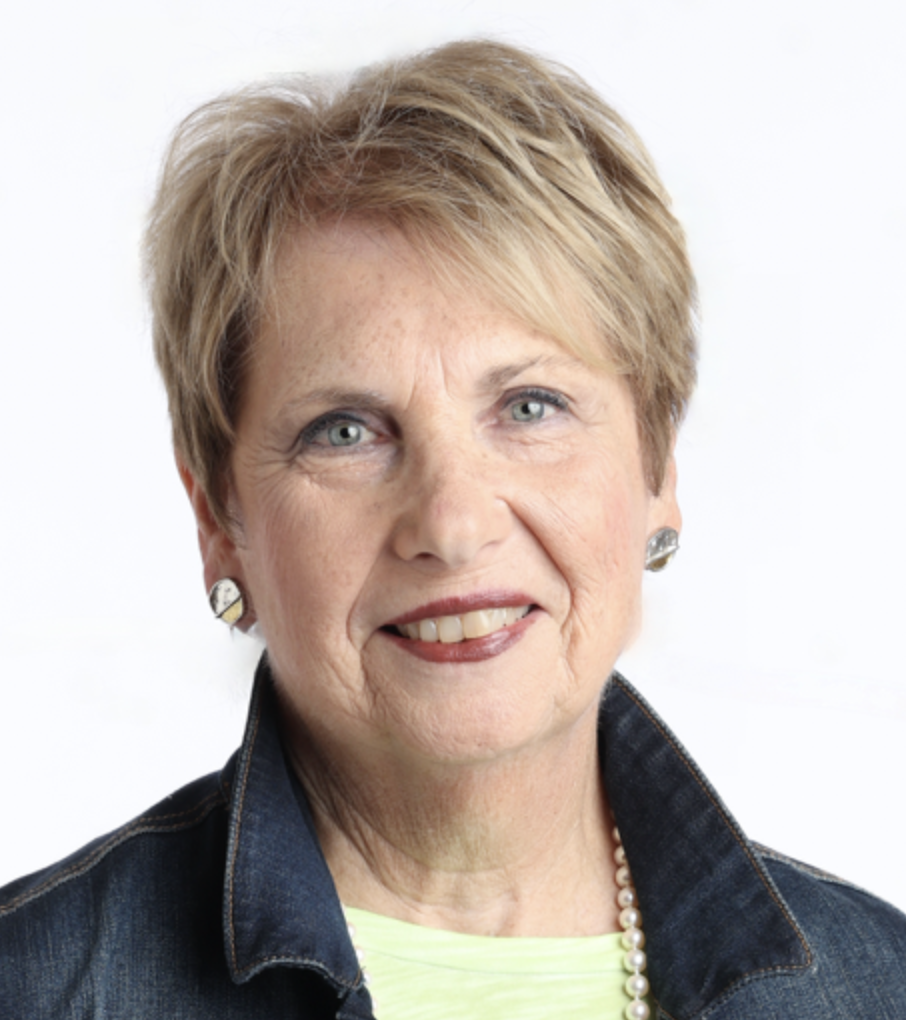
Myrna Marofsky is a writer, entrepreneur, and a self-described Champion of Women. She served as President of ProGroup, a diversity consulting organization, where she produced award-winning training programs and tools. For more than 20 years, she has worked to empower women as Chapter Chair for the Women Presidents Organization and as founder of The Business Women’s Circle. Her husband’s dementia diagnosis led her to write two books about her caregiving experience, which she calls CareLiving. She wrote To the Last Dance: A Partner’s Story of Living and Loving Through Dementia and co-authored CareLiving: A Companion’s Guide for Living Alongside Dementia with Joshua Wert. Her work has appeared in Next Avenue and other publications serving older adults. She lives in Minneapolis, Minnesota.




Sign up for agebuzz’s free weekly newsletter sent every Thursday
 Subscribe