By Myrna Marofsky
If you are a care partner living alongside a loved one with a life-changing diagnosis, this blog is for you. I lived that story believing that despite all the changes involved in my husband’s dementia diagnosis, there was still space for me to live a meaningful and rewarding life. That’s the mindset I call CareLiving, with the emphasis on living. I write this in hopes that you will be kind to yourself as you do one of the hardest jobs you will ever have.
“My dear girl, you cannot keep bumping your head against reality and saying it’s not there.” — Dr. Brulov, in the movie Spellbound.
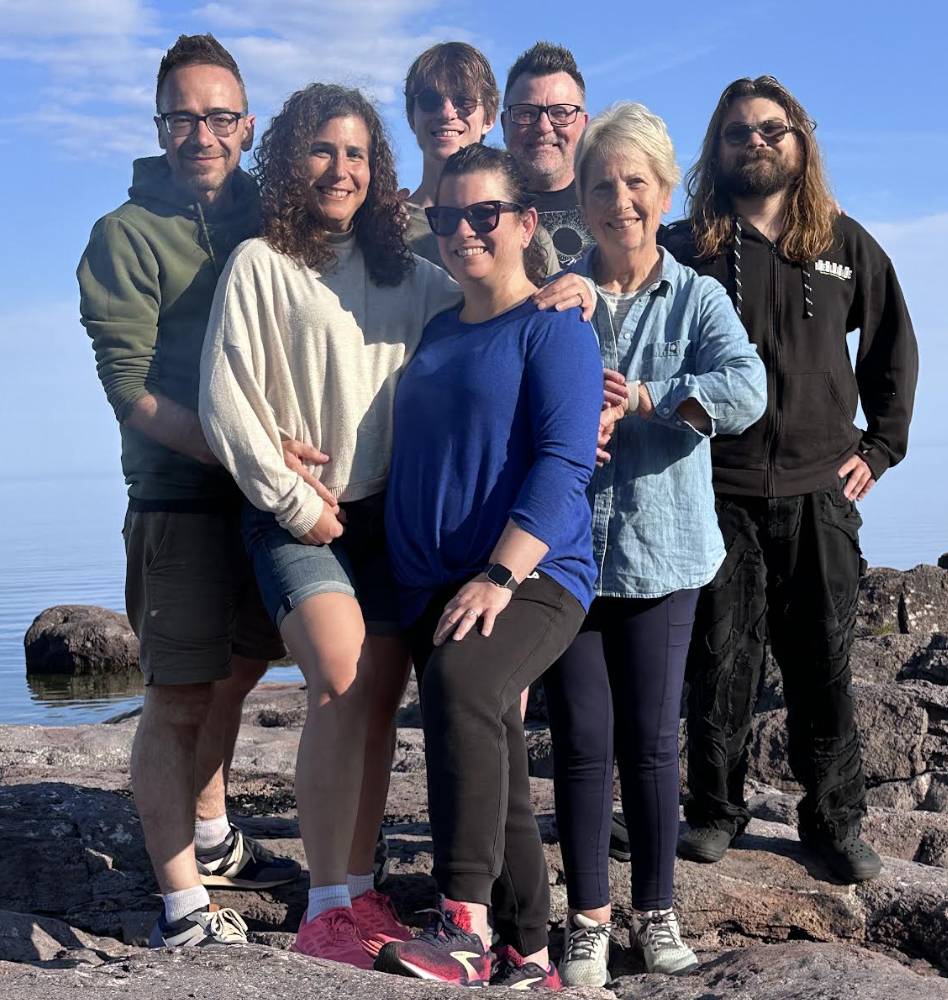
Each year, my family returns to the same log house on the North Shore of Lake Superior in Minnesota for our special summer gathering. My two daughters grew up with this tradition, and as we’ve added spouses and grandsons, the number has ranged from 8 to 9, depending on college start dates. It’s a beautiful tradition, started by my husband, Larry, long before dementia took over his brain and body.
With our cars full of food, games, and creature comforts, we travel from the city “up north,” as Minnesotans say, and spend a week together. Although the trip is repeated every year and the place is the same, each trip is a little different, reflecting how life has changed for each of us.
This year, as I sat on the sun-filled deck, looking over the glistening waters and listening to the waves splash on the rocks, my eyes teared up as I watched a pair of loons glide across the unpredictable waters as if completely in control of their destiny. Unseen beneath the water, they were paddling as fast as they could to stay afloat.
This image drew me back to the years when I was paddling, just like the loons, trying to stay afloat as Larry’s dementia progressed. Wanting to preserve some semblance of how things were, I avoided what I knew to be true. It’s called denial, and it has a cost.
My North Shore story provides a good metaphor for discussing denial. It was my unwillingness to accept the effects of Larry’s dementia that could have ended our cherished tradition.
Early in Larry’s diagnosis, I did a lot of wishful thinking. I assumed Larry could still help with preparations for the big trip, pack the car efficiently, as he always had, and drive at least part of the way. I wanted to believe that once we were there, he could still hike to the waterfalls, climb the rocks, use his Boy Scout skills to build a fire, and happily roast his own hot dogs and make s’mores. My goal was to keep him participating in the trip he loved so much. Sadly, things only got worse each year, but in my various stages of denial, I kept trying by taking on more.
Since we were all under one roof, I adopted the Big Cover-up. That meant figuring out how to keep my family from seeing what I didn’t want them to see — or so I thought. I was in denial about how obvious his struggles had become and how hard it was for them to accept what was happening to their dad. And in doing so, I suffered silently, stuffing my feelings and exhausting myself.
My knee tells the story of how this denial becomes a costly distraction. All the heavy lifting (or was it paddling?) led to a torn meniscus that might have been avoided if I had shared my reality and asked for help.
For the five years of my husband’s illness, all I wanted was for our trip to the North Shore to be a happy time, and in my mind, if I pretended hard enough, it would be.
It wasn’t until I began thinking about what would ultimately become Larry’s final trip up north that I was honest with myself and the family. As the deadline to cancel the trip approached, the family knew I was wavering. I’m certain they had private conversations about what lay ahead, but they kept encouraging me and promised to help. Yet I knew I would ultimately be doing most of the caregiving. My heart told me what I could no longer deny: he wasn’t up to it, nor was I. When I told the family we needed to cancel this treasured tradition, their response was immediate: “No way! Then, “Mom, you just need to be honest about how we can help. We’ll be there for both of you.” And they were. It was a very difficult trip, and I’m so grateful we took it.
I couldn’t give my husband the North Shore trip he used to have. But with support, I could give him one more trip, shaped around who he was, not who he had been. That trip mattered more than any of the others because I faced the truth and accepted the realities of dementia with adaptation, compassion, and, finally, consideration for my needs too.
That trip story is part of my memoir, To the Last Dance, a Partner’s Story of Living and Loving Through Dementia. It’s the journey that led me to the term CareLiving.
Denial is a protective human instinct that softens the hard-to-accept reality of any life-changing diagnosis. The problem isn’t that denial exists. It’s what happens when it keeps us from embracing what’s still possible.
At first, I’d make excuses for Larry’s cognitive challenges, even calling it depression. As the losses to dementia mounted, I often slipped back into denial or avoidance, believing it couldn’t be, or that on good days things were improving, until another bad day when I hit bottom.
Margaret Heffernan, in her book Wilful Blindness, calls these excuses the choices we make, sometimes consciously but mostly not, to stay removed from what we could know, should know, but don’t want to know, because it makes us feel better not to.
I was making choices to avoid what I feared rather than face it. More than covering up the truth, my denial distracted me from the things that could have made my caregiving easier and shown me I wasn’t the only one hurting.
When I stopped fighting reality and moved from denial to acceptance, I stayed afloat a little easier, recovered from small losses with less sadness, and asked for help from those who were waiting to be asked. But more than that, I kept Larry active and engaged in life, while finding ways to care for my own well-being. Most importantly, I was able to focus on love over loss, with clarity about what truly mattered.
This is the heart of CareLiving.
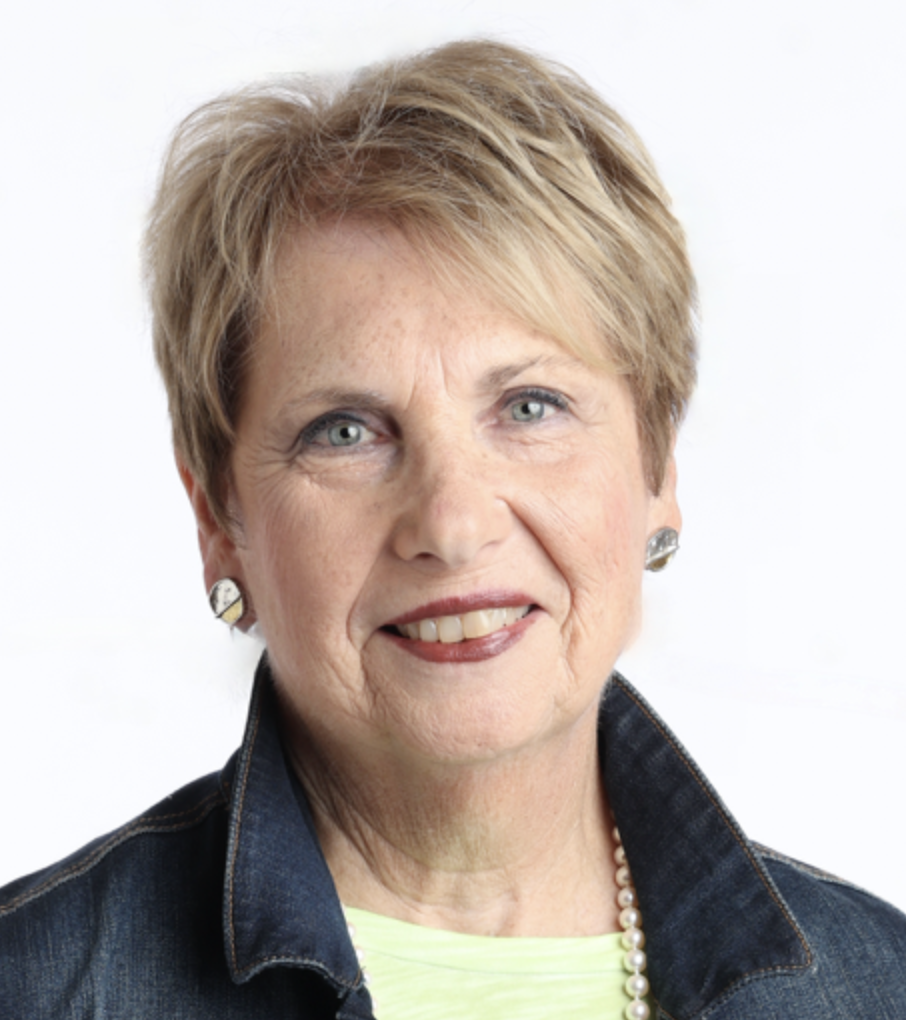
Myrna Marofsky is a writer, entrepreneur, and a self-described Champion of Women. She served as President of ProGroup, a diversity consulting organization, where she produced award-winning training programs and tools. For more than 20 years, she has worked to empower women as Chapter Chair for the Women Presidents Organization and as founder of The Business Women’s Circle. Her husband’s dementia diagnosis led her to write two books about her caregiving experience, which she calls CareLiving. She wrote To the Last Dance: A Partner’s Story of Living and Loving Through Dementia and co-authored CareLiving: A Companion’s Guide for Living Alongside Dementia with Joshua Wert. Her work has appeared in Next Avenue and other publications serving older adults. She lives in Minneapolis, Minnesota. We welcome Myrna as our newest agebuzz Guest Blogger.




Sign up for agebuzz’s free weekly newsletter sent every Thursday
 Subscribe