By Myrna Marofsky
If you are a care partner living alongside a loved one with a life-changing diagnosis, this blog is for you. I lived that story believing that despite all the changes involved in my husband’s dementia diagnosis, there was still space for me to live a meaningful and rewarding life. That’s the mindset I call CareLiving, with the emphasis on living. I write this in hopes that you will be kind to yourself as you do one of the hardest jobs you will ever have.
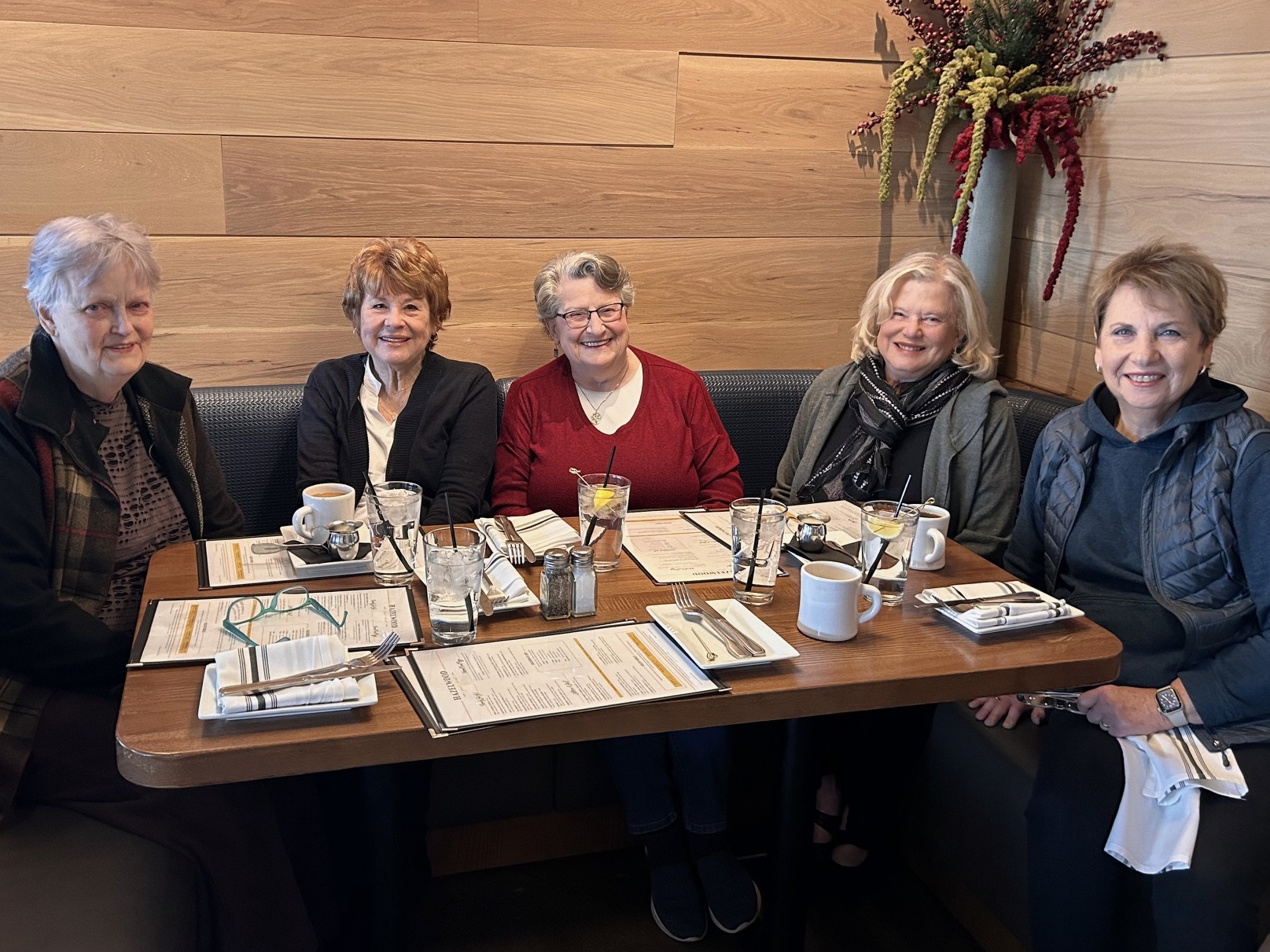
My monthly lunch with friends was recently canceled because we were all too busy dealing with letters from our insurance companies, bluntly informing us that our Medicare Advantage plans were terminated for 2027.
More than three million seniors nationwide, the highest users of healthcare, faced a dilemma for 2027 that they didn’t expect and may not be prepared to handle. That includes about one in three of my Minnesota neighbors, friends, and relatives. Some are care partners, already overwhelmed managing day-to-day issues, let alone a massive decision. As one of my friends said, “I don’t know what to do.”
Care partners face many decisions about which they don’t know what to do. Living alongside dementia is filled with unpredictability and uncertainty. So when something as big as choosing healthcare coverage lands on the kitchen table, it can feel like one decision too many.
When my husband Larry died, I lost my “go-to” guy.
Before Larry was diagnosed with dementia, he was the one who figured these sorts of things out. When dementia changed his ability to solve little problems, let alone major decisions, I slowly started building what I call my “Circle of Advisors”. These were individuals I knew I could call upon. I trusted them not only as experts but as people who listened to my needs, respected me for having a brain, and guided me to what was best for the situation.
These are not easy folks to find. Part of CareLiving is doing your research early and identifying them before a crisis, such as losing healthcare, happens. My insurance broker saved me from a major headache. Because he knew me, he could do the research and present options I could compare. My accountant, lawyer, financial advisor, and medical team were part of this Circle of Advisors and remain advisors today.
I speak about building Circles of Support in CareLiving: A Companion’s Guide for Living Alongside Dementia. These are the people you know are ready and willing to be there for you when things get too heavy to handle alone.
My circles included a “Circle of Love,” people who would just listen without trying to fix things. They made me laugh when I was down or offered a perspective I hadn’t considered. They knew who they were to me and what I needed. Often, as my sister and I did for each other, I’d start a conversation: “I just need to spew.” Knowing who you can count on to give you some loving begins with a few and grows over time.
I’ve talked about my Circle of Advisors, but one CareLiving tip is to find individuals who aren’t just experts who can help navigate aspects of caregiving, but are also empathetic and understanding. I wrote a published article called How a Bit of Empathy Would Help During the Signing of Documents. When I spoke with elder law attorneys, their eyes were opened to what it’s like to sign documents when you are filled with emotional struggle.
My Circle of Helpers were ready when I called to handle things I just couldn’t do or had no energy to do. These included neighbors and friends, but there were times when having the names of service providers was also helpful. I loved the young volunteer I found online who came to play cribbage with Larry between her university classes. At first, I asked her to come to give me some time to myself, but she was so delightful that I’d have cookies ready for the two of them and sit nearby to listen to them chat.
I called the people who helped me stay steady in mind and body my “Circle of Healers.” This list included my internist, of course, and nurturers of my mind through weekly therapy, and my body through massage, workouts, and walking buddies. Each of these individuals kept me whole by offering something just for me.
These circles were my way of trying to be prepared for whatever came next. (Note the word “trying.”) Yours may look different. You may give them other names or just make a list. What matters is that you start identifying your team early and keep adding. You are not alone as long as you are open to asking and receiving — a topic for another blog.
When my lunch group got together again, we started with what we found for insurance coverage, but quickly turned to sharing the life stories that keep us together in a Circle of Lifelong Friends.
Myrna Marofsky is a writer, entrepreneur, and a self-described Champion of Women. She served as President of ProGroup, a diversity consulting organization, where she produced award-winning training programs and tools. For more than 20 years, she has worked to empower women as Chapter Chair for the Women Presidents Organization and as founder of The Business Women’s Circle. Her husband’s dementia diagnosis led her to write two books about her caregiving experience, which she calls CareLiving. She wrote To the Last Dance: A Partner’s Story of Living and Loving Through Dementia and co-authored CareLiving: A Companion’s Guide for Living Alongside Dementia with Joshua Wert. Her work has appeared in Next Avenue and other publications serving older adults. She lives in Minneapolis, Minnesota.




Sign up for agebuzz’s free weekly newsletter sent every Thursday
 Subscribe